Tag: Equity Research

  • Costco Wholesale (COST:NASDAQ) – Comprehensive Stock Research & 2025 Outlook

    Costco Wholesale (COST:NASDAQ) – Comprehensive Stock Research & 2025 Outlook

    Costco Wholesale Corporation (COST:NASDAQ) stands out as a bellwether in the retail landscape due to its unique membership-based warehouse model, consistent financial outperformance, and enduring consumer loyalty. In December 2025, Costco occupies the spotlight for investors and analysts alike amid robust financial reports, aggressive global expansion, rapid digital growth, and persistent questions regarding its premium valuation and the impact of macroeconomic uncertainties. This article delivers a long-form, rigorous exploration of Costco, dissecting its historical context, business model, leadership, financial health, and industry positioning, and balances both bullish and bearish viewpoints to offer a holistic investment perspective.

    2. Historical Background

    Costco’s origins begin with two innovators: Sol Price, founder of Price Club in 1976, and Jim Sinegal and Jeffrey Brotman, who opened the first Costco in 1983. The landmark 1993 merger of Price Club and Costco birthed a retail powerhouse focused on low margins, high volume, and membership-driven economics. Key strategic pivots over four decades include the launch of the Kirkland Signature private label, international expansion, the evolution of a limited SKU “treasure hunt” format, and more recently, the digitalization of operations and a shift toward fresh and organic foods. Costco today operates 923 warehouses in multiple continents, consistently drives high membership renewal rates, and remains committed to the core tenants established in its founding years.

    3. Business Model

    Costco is defined by its membership-only, bulk-wholesale retail model. Revenue streams are split primarily between:

    • Membership Fees: The linchpin of profitability, accounting for a large fraction of net income thanks to high renewal rates (92% U.S./Canada in 2025).
    • Product Sales: Bulk sales across groceries, fresh food, household goods, non-foods, and gasoline.
    • Ancillary Services: Travel, insurance, optical, and automotive services.
      The model is further segmented geographically (U.S., Canada, International) and by consumer type, notably serving both value-driven households and small businesses through dedicated Business Centers. The Kirkland Signature private label drives around a third of revenue, cementing loyalty via quality and price.

    4. Stock Performance Overview

    • 1-Year: COST shares lagged the S&P 500, down roughly 3.5% YTD (vs. S&P’s +16.1%) as valuation concerns and softer membership growth weighed on sentiment, despite strong operating results.
    • 5-Year: The stock returned 149.7%, vastly outperforming the market and exemplifying resilience through multiple cycles.
    • 10-Year: Long-term investors enjoyed over 595% total return, placing Costco in the absolute top echelons for both retail and Consumer Staples sectors.
      Significant moves included a peak of $1,072 in February 2025 followed by a correction and a rare “sell” downgrade from Roth Capital late in the year.

    5. Financial Performance

    • FY2025 Sales: Net sales rose 8.1% to $269.9B; net income reached $8.1B ($18.21/diluted share).
    • Q1 FY2026: Net income $2.0B ($4.50/sh), revenue $67.3B, with notable 8.2% sales and 14% membership income growth.
    • Margins: Operating at 3.8%, net at 2.9%, gross at 11.1%. High efficiency and disciplined cost control offset inflationary pressures.
    • Debt & Cash: Modest long-term debt ($5.7B), strong operating cash flow ($13.3B, up 17.6% YoY), and robust free cash flow ($7.8B, up 18.2%).
    • Valuation: Trading at 47-49x earnings, well above sector averages, and with a 1.4x P/S ratio. Analysts debate whether this premium is sustainable given growth expectations.

    6. Leadership and Management

    CEO Ron Vachris—a company veteran who started as a Price Club forklift driver—took the helm from Craig Jelinek in 2024, guiding Costco through digital transformation and continued expansion. CFO Gary Millerchip replaced long-time exec Richard Galanti in 2024. Costco’s 12-member board, led by Hamilton E. James, emphasizes diversity and independence. The company is praised for governance rigor and internal advancement, though recent shareholder proposals spotlight DEI practices and membership rule enforcement. Management continues to prioritize an employee- and member-centric culture, underpinning operational strength.

    7. Products, Services, and Innovations

    Costco’s 2025 catalog spans groceries, household essentials, apparel, electronics, jewelry, and more, with Kirkland Signature now comprising roughly a third of sales. Service expansions include insurance, travel, optical, pharmacy, and home improvement. Innovations center on digital upgrades (app, digital card, AI-powered inventory), enhanced e-commerce (site/app revamp, personalized marketing), and operational technology (AI for pharmacy/gas inventory). While R&D spend is low by tech standards, investments in IT, digital infrastructure, and proprietary supply chain systems fuel Costco’s edge.

    8. Competitive Landscape

    Costco’s main rivals are Sam’s Club (Walmart), BJ’s Wholesale, Walmart, Amazon, Target, Aldi, Lidl, and other discounters. Costco is third globally by retail revenue and leads the warehouse club market. Competitive edges include membership economics, the Kirkland Signature line, world-class supply chain, and high loyalty rates. Weaknesses involve limited SKUs, slower e-commerce relative to Amazon/Walmart, and a heavy reliance on North America. The aging customer base and selective bulk model also present future headwinds.

    9. Industry and Market Trends

    Key 2025 trends impacting Costco include:

    • Heightened consumer price sensitivity amid lingering inflation and elevated rates.
    • Digital integration, AI/automation, and real-time inventory tracking.
    • Rising logistics and labor costs, supply chain resilience.
    • Private label expansion and focus on value offerings.
    • Ongoing tariff/trade uncertainty, sustainability requirements, and evolving data/privacy laws.
      Warehouse clubs benefit from value-shopping trends but face digital disruption. Costco’s scale and supply chain offer a defensive edge as the sector adapts to rapid change.

    10. Risks and Challenges

    • Labor Relations: Ongoing union negotiations and risks of strikes (18,000 Teamsters authorized a strike in early 2025).
    • Supply Chain/Costs: Tariffs, regulatory shifts, and inflation drive up costs; recent litigation targets U.S. tariffs.
    • Tech/E-commerce: Need to keep pace digitally with e-commerce leaders and upgrade in-store technology.
    • Membership Enforcement: Tighter controls spawn member/customer backlash.
    • Privacy & Compliance: Data privacy lawsuits (Meta Pixel tracking), animal welfare critiques, shifting regulatory frameworks.
    • Market Risks: High valuation, rising competition, evolving consumer habits, and macroeconomic headwinds all pose ongoing monitoring needs.

    11. Opportunities and Catalysts

    • International Growth: Major warehouse expansion planned across Europe, Asia, and Latin America—with creative real estate strategies in play.
    • E-commerce Momentum: Double-digit online sales growth, new app/AI tools, and personalization.
    • Kirkland Expansion: Growth in private label penetration elevates margins and loyalty.
    • AI Adoption: Operational AI in pharmacy, gas, and digital offering incremental efficiencies.
    • Member/Service Upsell: Early access for Executive members and enhanced loyalty programs.
    • Strong Balance Sheet: Ample cash ($16.2B+) supports possible special dividends—a historical favorite for investors.

    12. Investor Sentiment and Analyst Coverage

    Wall Street consensus: “Moderate Buy,” with nearly two-thirds of analysts rating COST a buy/outperform, although a rare “sell” call came from Roth Capital over valuation and slowing membership. Price targets center near $992–1,046, with bullish cases stretching higher. Institutional ownership remains robust (>66%), but notable trimming occurred in Q3. Retail chatter oscillates between confidence in Costco’s “forever stock” merits and concern over lofty multiples. Analyst tone remains positive amid strong digital results and balance sheet.

    13. Regulatory, Policy, and Geopolitical Factors

    Costco must navigate a complex patchwork of U.S. state privacy laws, international GDPR, environmental and packaging regulations, and surging labor compliance demands as of 2025. The company recently sued the U.S. government to recover China tariff costs and is adapting supply chains to shift production where possible. Internal changes to membership/early access and fees have drawn scrutiny. Growing regulatory requirements (data, accessibility, packaging sustainability, labor safety) will require sustained vigilance—and investment—across all markets.

    14. Outlook and Scenarios

    Bull case: Costco leverages new fee increases, robust global warehouse growth, accelerating digital sales, and enduring loyalty to generate double-digit EPS growth and justifies its premium multiple. International and digital prove to be high-growth levers.
    Bear case: Membership growth slows, digital lag catches up, cost pressures squeeze margins, and stock corrects to more normal valuation multiples. Competition from digital-first and deep-discounter rivals heats up.
    Long-term, if Costco delivers on omnichannel, global expansion, and leverages analytics/AI while retaining membership loyalty, upside remains.

    15. Conclusion

    Costco in December 2025 is financially strong, highly efficient, and remains a retail innovator. It faces challenges from labor, supply chain, digital competition, and valuation, yet its strong membership income, loyal base, aggressive international strategy, and operational rigor underpin its investment resilience. Investors should closely monitor membership trends, e-commerce share, global expansion progress, and the evolving regulatory environment. With a clear, defensible value proposition, Costco remains a powerful player, but vigilance on competitive and operational fronts is essential.


    This content is intended for informational purposes only and is not financial advice.

    Date: December 15, 2025

  • The Lululemon Paradox: Premium Brand Under Pressure — A Deep Dive into LULU’s Past, Present, and Future

    The Lululemon Paradox: Premium Brand Under Pressure — A Deep Dive into LULU’s Past, Present, and Future

    As of December 15, 2025, Lululemon Athletica (LULU) stands at a crossroads. Once the undisputed king of premium athleisure, the company has seen its stock price plunge nearly 50% over the past year, from an all-time high of $516 in late 2023 to under $160. This dramatic correction has ignited fierce debate among investors: Is Lululemon a fallen icon, or is it simply in a temporary slump on the path to a new era of growth? The answer lies not in a single metric, but in a complex tapestry of innovation, leadership, global strategy, and consumer psychology.

    Lululemon pioneered the modern athleisure movement, transforming yoga pants into a global fashion statement and building a cult-like brand loyalty. But today, it faces unprecedented headwinds — weakening demand in North America, surging competition from Alo Yoga and Vuori, geopolitical tariffs, and a leadership vacuum following the announcement that CEO Calvin McDonald will step down in January 2026. This article delves deep into every facet of Lululemon’s business to uncover whether its core strengths can overcome its current challenges — or if its golden era has passed.

    2. Historical Background

    Lululemon Athletica’s journey is a classic entrepreneurial tale of vision, obsession with product, and community-building. Founded in 1998 in Vancouver by former entrepreneur Chip Wilson, the company began not as a retail store, but as a design studio intertwined with a yoga studio. Wilson’s insight was simple yet revolutionary: women needed technical, high-performance yoga apparel that was both functional and aesthetically flattering — a gap the market had ignored.

    The breakthrough came with the launch of its signature "little black stretchy pants," crafted from a proprietary fabric called Luon. In 2000, the first standalone store opened on West 4th Avenue in Vancouver’s Kitsilano neighborhood — not merely a shop, but a community hub offering free yoga classes. This experiential retail model became foundational.

    Key milestones followed: the 2007 IPO raised $327.6 million, fueling rapid expansion. Christine Day became CEO in 2008 and oversaw a period of disciplined growth, but a 2013 product recall of sheer black yoga pants exposed critical quality control failures, leading to Wilson’s resignation as chairman and Day’s eventual departure.

    Calvin McDonald’s arrival in 2018 marked a new phase. Under his leadership, Lululemon launched the "Power of Three" strategy — doubling men’s, digital, and international revenue. The 2020 acquisition of Mirror for $500 million signaled a bold pivot toward digital fitness. By 2024, Lululemon surpassed $10 billion in annual revenue, a testament to its global reach.

    Yet, the company’s history is also marked by controversy — from Wilson’s contentious public remarks about body types to ongoing debates over labor practices and diversity. These tensions reveal the fragile balance between brand purity and mass-market growth.

    3. Business Model

    Lululemon’s business model is built on three pillars: premium product, direct-to-consumer (DTC) control, and community-driven retail.

    Revenue in FY 2024 reached $10.6 billion, up 10% year-over-year. The breakdown is telling: women’s apparel still dominates at 61.3% of Q3 2025 revenue, but men’s has surged to 24.7%, and accessories (including footwear) now make up 14%. The company’s DTC model — encompassing both its global network of 767 company-operated stores and its e-commerce platform — accounts for roughly 86% of total sales, with wholesale playing a minimal 14% role.

    Pricing is strictly premium. Lululemon rarely discounts, selling nearly 95% of its inventory at full price — a strategy that reinforces exclusivity and profitability. Its gross margin of 59.2% in FY 2024 is among the highest in the apparel industry, far exceeding Nike’s 44%. The company’s physical stores are designed as community centers, offering free yoga, meditation, and local events, creating emotional loyalty beyond transactional relationships.

    This model has proven resilient — until recently. The 2025 Q3 results revealed a troubling shift: North American revenue declined 2%, while international revenue surged 33%, driven by China’s 46% growth. This regional divergence is now the defining tension in Lululemon’s business model.

    4. Stock Performance Overview

    Lululemon’s stock performance tells a story of two decades — one of extraordinary growth and one of recent turmoil.

    Over the past 10 years, LULU delivered a staggering 273% total return, outpacing the S&P 500’s 14.88% annualized return. An investor who bought $1,000 at IPO in 2007 would have over $13,700 today.

    But the last 5 years have been brutal: -51% total return. The 1-year decline is even steeper, at -47%, making LULU one of the worst-performing stocks in the S&P 500 in 2025.

    The catalysts for the plunge are clear: weakening U.S. demand, margin compression from tariffs, and the announcement of CEO McDonald’s departure. Yet, in a dramatic twist, Lululemon’s Q3 2025 earnings report — released on December 11, 2025 — beat analyst expectations on revenue and EPS, sparking a 15% single-day rally. The company also announced a $1 billion increase to its share repurchase program, bringing the total authorized to $1.6 billion.

    This volatility reflects investor confusion: is Lululemon a value opportunity, or a declining brand? The divergence between its strong fundamentals and weak sentiment creates a classic contrarian investment case.

    5. Financial Performance

    Lululemon’s financials paint a picture of resilience under pressure.

    In FY 2024, revenue hit $10.6 billion, net income rose to $1.81 billion, and diluted EPS reached $14.64. Gross margin expanded to 59.2%, and operating margin hit 23.7% — exceptional metrics for a retail brand.

    But Q3 2025 revealed cracks. Revenue rose 7% to $2.6 billion, driven by international growth, but U.S. revenue fell 2%. Gross margin contracted 290 basis points to 55.6% due to higher markdowns and tariffs. Operating margin dropped to 17%, and diluted EPS fell to $2.59 from $2.87 in the prior year.

    Inventory levels rose 11% to $2 billion, raising concerns about overstocking in the U.S. market. However, unit inventory only rose 4%, suggesting improved inventory discipline. The company’s balance sheet remains pristine: $1 billion in cash, zero debt, and a net cash position of over $1 billion.

    Valuation metrics reflect the market’s pessimism. As of December 15, 2025, LULU trades at a trailing P/E of 14.2x and a forward P/E of 15.8x — a significant discount to Nike’s 42.8x and Adidas’s 24.2x. The EV/EBITDA ratio stands at 7.6x, and the P/S ratio at 2.18x. In a sector where growth is typically priced at a premium, Lululemon is trading as if it’s in decline — creating a potential margin of safety for long-term investors.

    6. Leadership and Management

    The leadership transition at Lululemon is the single most critical factor shaping its near-term future.

    Calvin McDonald, who led the company from 2018 to January 2026, delivered on his "Power of Three x2" plan, nearly doubling revenue since 2021. He expanded the men’s business, accelerated international growth, and oversaw the MIRROR acquisition. But in December 2025, he announced his departure, citing a need for "new leadership to navigate the next phase of growth." His departure, while expected, creates uncertainty.

    McDonald will be succeeded on an interim basis by CFO Meghan Frank and Chief Commercial Officer André Maestrini. Frank brings deep financial discipline; Maestrini, a former Adidas executive, is the architect of Lululemon’s explosive international growth, particularly in China. Their co-leadership signals a focus on stability and execution.

    Yet, the board’s reputation has been tarnished by founder Chip Wilson’s scathing public criticisms in October 2025, when he accused the board of being the "real issue" and said the brand was losing its soul. Wilson’s past remarks — blaming women’s bodies for sheer pants and calling diversity efforts "uninspiring" — have created a governance risk premium. Institutional investors are now wary of board dysfunction.

    The company also faces internal culture challenges. In 2021, a director proposed an "All Lives Matter" campaign, sparking internal backlash. In 2023, employees were fired for confronting looters — a decision that alienated many loyal customers. While Lululemon has publicly distanced itself from Wilson’s views, the lingering perception of leadership disarray remains.

    7. Products, Services, and Innovations

    Lululemon’s innovation engine remains one of its strongest assets.

    The company’s proprietary fabrics — Nulu™, Luxtreme™, Everlux™, and the new LuluLinen™ — are engineered with a "Science of Feel" philosophy, focusing on tactile experience and performance. Its Whitespaces R&D lab in Vancouver is a hub for textile innovation, developing sustainable materials like enzymatically recycled polyester and plant-based nylon in partnership with Genomatica and Samsara Eco.

    The footwear category, launched in 2022, has become a key growth vector. The men’s collection, including the Beyondfeel running shoe and Cityverse casual sneaker, has expanded rapidly, with products now available in North America, Europe, and China.

    Digital fitness, once centered on the Mirror platform, has pivoted dramatically. In a landmark partnership announced in late 2023, Lululemon became Peloton’s exclusive apparel partner, and Peloton became Lululemon Studio’s exclusive content provider. The sale of Mirror hardware ceased, but Lululemon Studio app members now have access to Peloton’s entire library of classes — a strategic win that reduces capital intensity while expanding reach.

    New product launches in 2025, such as the Align No Line High-Rise Pant and holiday-themed khaki pants, show an effort to refresh its core offerings. The brand is also expanding into golf and tennis, leveraging its "athleisure as lifestyle" positioning.

    Despite these efforts, critics argue product innovation has slowed. Many customers feel the brand has become "predictable," and the rise of "dupe culture" on social media suggests competitors are catching up on design and function.

    8. Competitive Landscape

    Lululemon operates in a hyper-competitive arena.

    Nike remains the market leader with 31.6% of U.S. monthly athleisure spending, followed by Lululemon at 21.2%. But the real threat comes from agile niche players. Alo Yoga has captured Gen Z with influencer marketing and fashion-forward designs. Vuori, known for ultra-soft fabrics, has gained 1% market share in a year. Athleta, under Gap Inc., competes on inclusivity and sustainability.

    These brands offer similar quality at lower price points — often 15-25% cheaper — and are more agile in responding to trends. They leverage social media to create viral moments, while Lululemon’s marketing remains more traditional.

    Lululemon’s competitive advantage lies in brand loyalty and community. Its ambassador program and in-store classes create emotional connections that competitors struggle to replicate. But as fashion trends shift toward looser fits and more casual silhouettes, Lululemon’s signature form-fitting leggings face declining demand.

    The company’s biggest vulnerability is not Nike — it’s the erosion of its premium brand perception. If consumers begin to see Lululemon as expensive but not exceptional, its pricing power will vanish.

    9. Industry and Market Trends

    The global athleisure market is projected to grow from $403 billion in 2025 to $625 billion by 2030, with premium athleisure growing at 10.5% CAGR — outpacing mass-market segments.

    Key trends include:

    • Shift to Casualization: Hybrid work and remote lifestyles have permanently increased demand for comfortable clothing.
    • Sustainability Imperative: 67% of consumers now prioritize eco-friendly materials. Lululemon’s "Impact Agenda 2030" targets 90% preferred materials by weight — but faces scrutiny from Canada’s Competition Bureau over alleged greenwashing.
    • Digital Integration: The fusion of apparel and digital fitness is the next frontier. Lululemon’s Peloton partnership positions it uniquely.
    • China’s Rise: China is now Lululemon’s second-largest market, with 46% revenue growth in Q3 2025. The brand is targeting 220 stores in China by 2026.

    However, macroeconomic headwinds persist: inflation, tariffs on Chinese and Vietnamese imports, and a potential U.S. recession threaten discretionary spending.

    10. Risks and Challenges

    Lululemon’s key risks are structural and systemic:

    • U.S. Market Stagnation: Seven consecutive quarters of flat or declining comparable sales in North America.
    • Tariff Exposure: The U.S. tariff on imports from Vietnam (up to 20%) and the removal of the de minimis exemption (which previously allowed duty-free small parcels) could cost Lululemon $240 million in 2025 alone.
    • Labor Practices: Accusations of sourcing cotton from Xinjiang, despite denials, expose it to U.S. Uyghur Forced Labor Prevention Act (UFLPA) enforcement and reputational damage.
    • Brand Dilution: Founder Chip Wilson’s public attacks and past controversies threaten the brand’s authenticity.
    • Product Quality Perception: Customer complaints about pilling, seam failures, and inconsistent sizing are increasing.
    • Leadership Vacuum: The interim CEO structure creates uncertainty during a critical growth phase.
    • Competition from Fast Fashion: Shein and Temu are entering the athleisure space with ultra-low-priced alternatives.

    11. Opportunities and Catalysts

    Despite the risks, Lululemon’s opportunities are substantial:

    • International Expansion: China, APAC, and Europe offer massive growth. If China continues its 40%+ growth, it could become Lululemon’s largest market by 2030.
    • Men’s Category: With 25% of customers now male, this segment is growing at 14% annually. Doubling men’s revenue remains a core pillar.
    • Footwear: The Beyondfeel and Cityverse lines are gaining traction. Footwear could become a $1 billion business by 2028.
    • Digital Ecosystem: The Peloton partnership unlocks 20 million+ members — a powerful distribution channel.
    • Sustainability Leadership: With partnerships in circular materials, Lululemon can turn environmental compliance into a brand advantage.
    • Share Buybacks: The $1.6 billion repurchase authorization signals confidence and will boost EPS.
    • New CEO: The search for McDonald’s permanent successor could bring fresh energy and a new strategic vision.

    The next earnings call (Q4 2025, February 2026) will be a critical catalyst. Will the company show signs of U.S. recovery? Will gross margins stabilize? The market is waiting.

    12. Investor Sentiment and Analyst Coverage

    Wall Street is divided.

    Out of 23 analysts, 22 have a "Hold" rating, and only 1 has a "Buy." The average 12-month price target is $221, implying a modest 7% upside — far below the stock’s historical valuation. Jefferies recently downgraded the stock to "Underperform" with a $120 target, citing margin pressure.

    Institutional ownership is high at 77%, but hedge funds have been net sellers. FMR LLC reduced its stake by 66% in Q3 2025, while others like Susquehanna increased theirs.

    Retail sentiment on Reddit and StockTwits is polarized. Some call LULU "the best stock to buy on the dip," citing its strong fundamentals and low valuation. Others declare it "dead money," arguing the brand is losing its soul.

    The disconnect between institutional caution and retail optimism mirrors Lululemon’s own internal tension: a company with strong fundamentals but uncertain direction.

    13. Regulatory, Policy, and Geopolitical Factors

    Lululemon is highly exposed to global policy shifts:

    • U.S. Tariffs: The 20% tariff on Vietnamese imports and the end of the $800 de minimis exemption are direct financial threats.
    • UFLPA: The U.S. government has detained shipments from suppliers linked to Xinjiang. Lululemon’s supply chain audits are under intense scrutiny.
    • Canadian Greenwashing Probe: The Competition Bureau’s investigation into "Be Planet" marketing could lead to fines and reputational harm.
    • Data Privacy: Lululemon faced a 2020 class-action lawsuit for allegedly tracking online shoppers without consent.
    • China’s Regulatory Environment: While the market is booming, political tensions with the U.S. could disrupt sourcing or sales.

    The company’s ability to navigate these complex regulatory landscapes will determine its global scalability.

    14. Outlook and Scenarios

    Bull Case (5–10 Years):
    Lululemon successfully navigates the transition under new leadership. International revenue doubles by 2030, men’s apparel becomes 30% of sales, and footwear hits $1.5 billion. The Peloton partnership drives digital engagement. Gross margins stabilize above 58%. Revenue reaches $18 billion, EPS hits $25+, and the stock trades at $600+. Lululemon remains the defining brand of premium athleisure.

    Bear Case (5–10 Years):
    U.S. sales continue to decline. New leadership fails to reignite innovation. Tariffs and markdowns crush margins. Competitors overtake it in men’s and digital. The brand becomes perceived as overpriced and outdated. Revenue stagnates at $11–12 billion, EPS falls below $12, and the stock trades below $120. The company becomes a niche player, not a market leader.

    The most likely outcome? A prolonged period of consolidation. Lululemon will likely stabilize, not soar. It will survive — but its days as a growth stock may be over.

    15. Conclusion

    Lululemon is not broken. It is evolving.

    Its financials remain strong, its brand loyal, and its international growth undeniable. But its core challenge is no longer product or distribution — it’s perception. Can it recapture the magic that made it a cultural phenomenon, or has it become a victim of its own success?

    For investors, LULU presents a classic opportunity: buy when fear is high and fundamentals are intact. The company’s valuation is depressed, its balance sheet is bulletproof, and its long-term market is growing. But the path forward is uncertain, and leadership will make all the difference.

    What investors should watch: the Q4 2025 earnings report, the announcement of the new CEO, and any signs of U.S. comparable sales improvement. If the new leadership can reignite innovation and reconnect with its core audience, Lululemon may not just recover — it may redefine the next chapter of athleisure.

    But if the company continues to drift, its legacy may be remembered not as a pioneer — but as a cautionary tale of what happens when a brand loses its soul.

  • Chipotle Mexican Grill (CMG): A Deep Dive Into the Fast-Casual Giant’s Growth, Challenges, and Path Forward—December 2025

    Chipotle Mexican Grill (CMG): A Deep Dive Into the Fast-Casual Giant’s Growth, Challenges, and Path Forward—December 2025

    This comprehensive research article examines Chipotle Mexican Grill (CMG: NYSE) as of December 15, 2025, combining historical narrative, financial analysis, competitive positioning, and forward-looking scenarios for investors.


    1. Introduction

    Chipotle Mexican Grill (CMG: NYSE) stands at a critical inflection point in its corporate lifecycle as it enters late 2025. Once hailed as a poster child for the digital-enabled, efficiency-driven restaurant revival, the fast-casual juggernaut has stumbled into a challenging macro environment that has shaken investor confidence and the company's own near-term narrative. With shares trading around $35.94 as of mid-December 2025—down approximately 45% over the past 12 months—Chipotle represents a fascinating microcosm of the tensions facing restaurant operators in an era of persistent inflation, wage pressures, and shifting consumer spending patterns.

    The company's relevance to investors today rests on several pillars: (1) its long-term strategic ambition to operate 7,000 restaurants across North America and expand internationally; (2) its relentless digital transformation, with digital sales representing 36.7% of revenue in Q3 2025; (3) a management team executing operational improvements and the rollout of high-efficiency kitchen equipment; and (4) a brand that, despite recent challenges, remains among the most recognized and trusted in fast-casual dining. Yet these strengths are being tested by macroeconomic headwinds, intensifying competitive pressures, and the delicate act of balancing premium positioning with value perception in an increasingly price-conscious consumer environment.

    For equity analysts and long-term investors, the question is whether Chipotle's near-term pain represents a buying opportunity or a warning sign of deeper structural challenges. This article seeks to provide clarity through a comprehensive examination of the company's fundamentals, strategic positioning, and the scenarios that could unfold over the next 12–24 months.


    2. Historical Background

    The Founding Story: From $85,000 Loan to Billion-Dollar Brand

    Chipotle's origin story is remarkably humble, yet emblematic of successful entrepreneurship within the restaurant sector. In 1993, Steve Ells, a classically trained chef who had attended the Culinary Institute of America, founded the first Chipotle restaurant in Denver, Colorado, with a simple goal: to demonstrate that fresh ingredients could be leveraged to serve food quickly, without the compromise typically associated with fast-food chains. Ells secured an $85,000 loan from his father and opened a single location near the University of Denver campus.

    The concept resonated immediately. Within the first month, the nascent Chipotle was selling over 1,000 burritos daily, far exceeding the break-even threshold of 107 burritos per day that Ells and his father had calculated. This early success catalyzed rapid expansion: a second location opened in 1995, funded by cash flow from the first, followed by a third in 1996, partly funded by an SBA loan and additional investment from Ells' father. By 1997, Chipotle had established itself as a regional phenomenon within Colorado.

    The McDonald's Era (1998–2006): Capital Meets Fast-Casual Innovation

    The trajectory shifted dramatically in 1998 when McDonald's Corporation recognized the emerging fast-casual opportunity and made an initial minority investment in Chipotle. By 2001, McDonald's had become Chipotle's largest investor, and by 2005, it held approximately 90% ownership. This partnership injected substantial capital—ultimately totaling around $360 million—allowing Chipotle to scale from 16 locations in 1998 to over 500 restaurants by the time of its 2006 initial public offering.

    Notably, McDonald's attempted to modify Chipotle's model—pushing for drive-thru windows and a breakfast menu—but founder Steve Ells resisted these changes, insisting on maintaining the fast-casual identity. This resistance proved prescient and underscored a critical lesson: maintaining operational and brand integrity during rapid scaling is essential to long-term success.

    IPO and Spin-Off: Independence and Strategic Clarity (2006)

    On January 26, 2006, Chipotle launched one of the most successful restaurant IPOs in years, with shares doubling on the first day of trading. The offering was followed by McDonald's full divestiture in October 2006, which involved a complex transaction whereby McDonald's ultimately realized approximately $1.5 billion in proceeds on its $360 million cumulative investment—a remarkable 4.2x return. The separation allowed Chipotle to pursue its own strategic trajectory, unburdened by McDonald's corporate constraints.

    Post-spin, Chipotle eliminated its handful of franchised locations, committing to a company-owned model that has remained central to its strategy to this day. This operational choice—while capital-intensive—has enabled Chipotle to maintain stringent control over brand standards, food quality, and the customer experience.

    The Food Safety Crisis and Operational Reckoning (2015–2018)

    Between 2015 and 2018, Chipotle faced a catastrophic test of its brand resilience. A series of foodborne illness outbreaks—including E. coli, norovirus, and Salmonella incidents—sickened over 1,100 customers across multiple states. The incidents resulted in a 57.8% stock decline from January 2015 to January 2018, temporarily erased billions in market value, and forced a fundamental reckoning with food safety protocols.

    The root causes were multifaceted: employees working while sick, inconsistent adherence to food safety procedures, and the inherent complexity of Chipotle's supply chain. In response, the company implemented enhanced food safety measures, including high-resolution DNA-based testing of ingredients pre-shipment, centralized preparation of certain produce items, paid sick leave policies, and comprehensive employee training. In April 2020, Chipotle agreed to pay a $25 million fine and entered a three-year deferred prosecution agreement, underscoring the severity of the regulatory and reputational damage.

    The Turnaround Under Brian Niccol (2018–2024): Digital Dominance and Operational Excellence

    In 2018, Steve Ells stepped down as CEO, and Brian Niccol, formerly CEO of Taco Bell, was appointed to lead the turnaround. Niccol implemented a comprehensive strategic reboot centered on digital transformation, operational efficiency, menu innovation, and a "lifestyle brand" positioning. His tenure witnessed the introduction of the "Chipotlanes"—dedicated drive-thru lanes for digital orders—which proved to be a transformative innovation, driving significant volume increments for new locations.

    Under Niccol's leadership, Chipotle experienced a remarkable recovery. From 2018 to mid-2024, revenue grew at a 15% compound annual growth rate, while earnings per share surged at a 47% CAGR. The stock rallied from its post-crisis lows of around $350 (post-split adjusted) to an all-time high of $69.26 on June 17, 2024. Chipotle's market capitalization approached $50 billion, making it the largest fast-casual restaurant company globally by valuation.

    Recent Transitions and 2025 Challenges (2024–Present)

    In August 2024, Brian Niccol departed Chipotle to assume the CEO role at Starbucks (SBUX: NASDAQ), shocking investors and raising questions about operational continuity. Scott Boatwright, who had served as Chief Operating Officer/Chief Restaurant Officer since 2017 and was instrumental in the digital and operational transformation, was named interim CEO in August 2024 and made permanent CEO in November 2024.

    The transition coincided with mounting headwinds. In Q3 2025, comparable restaurant sales slowed to just 0.3% growth, driven entirely by average check increases while transactions fell 0.8%. Management acknowledged "persistent macroeconomic pressures," particularly affecting households with incomes below $100,000—representing roughly 40% of Chipotle's customer base. The company revised its 2025 comparable sales guidance from low-to-mid-single-digit growth to a low-single-digit decline, and announced it would not fully offset anticipated mid-single-digit inflation in 2026 through price increases, opting instead to protect the value proposition and volume.

    This reversal, combined with the CEO transition and stock decline, has positioned Chipotle at an inflection point: whether the company can sustain its premium growth narrative amid near-term pressures remains the central question for investors.


    3. Business Model

    The Fast-Casual Assembly Line: Operational Design and Customer Experience

    Chipotle's business model is fundamentally rooted in the fast-casual segment, which it essentially pioneered in the late 1990s. The operational architecture centers on an assembly-line format wherein customers move sequentially through stations staffed by crew members who assemble orders based on real-time customer specifications. This design accomplishes multiple objectives: it maximizes throughput (typical order fulfillment times range from 3–5 minutes), enables extensive customization, maintains ingredient freshness by minimizing pre-preparation waste, and creates an engaging, transparent customer experience.

    The model is undergirded by Chipotle's "Food with Integrity" philosophy—a commitment to sourcing non-GMO produce, naturally raised meats, organic beans, and ingredients from responsible suppliers. This ethos differentiates the brand from traditional quick-service restaurants and resonates powerfully with health-conscious and socially conscious consumers, particularly millennials and Generation Z.

    Revenue Composition and Customer Segments

    Chipotle's revenue is almost entirely derived from food and beverage sales at its company-owned restaurants: 99.41% in fiscal 2024, with the remaining 0.59% from delivery services. The company operates a single reportable business segment despite managing operations across eight geographic regions internally.

    The primary customer base comprises individuals aged 18–34, with particular strength among:

    • Health-conscious consumers seeking premium ingredients and nutritional transparency
    • Digitally native customers comfortable with mobile ordering and loyalty programs
    • Middle-to-upper-middle-income households with incomes above $100,000 (though this cohort has become increasingly price-sensitive)
    • Younger professionals and college students with active lifestyles

    Notably, Q3 2025 results revealed a "significant pullback" among lower-income customers (household income below $100,000, ages 25–34), suggesting a bifurcation in consumer behavior along income and price-sensitivity lines.

    The Digital-First Channel: Omnichannel Integration

    Digital channels—encompassing Chipotle's proprietary mobile app, website, and third-party delivery partnerships—have become central to the business model. In Q3 2025, digital sales represented 36.7% of total food and beverage revenue, compared to 37.4% in 2023. This includes:

    • Digital Ordering (Proprietary): Orders placed through Chipotle's app or website, fulfilling increasingly through dedicated digital make-lines and Chipotlanes.
    • Third-Party Delivery: Approximately 18% of 2023 revenue came from delivery facilitated by platforms like DoorDash, Uber Eats, and Grubhub.
    • Loyalty Program: The Chipotle Rewards program boasts 40 million members, driving repeat visits and providing valuable first-party data for personalization.

    The Chipotlane innovation—a dedicated drive-thru lane for digital order pickup—has proven particularly powerful, significantly outperforming traditional in-store-only formats. By November 2024, Chipotle had opened its 1,000th Chipotlane, and the company targets at least 80% of new locations to feature this format going forward.

    Operating Economics and Margin Profile

    Chipotle operates with relatively high restaurant-level operating margins—24.5% in Q3 2025 (down from 25.5% in Q3 2024)—reflecting the company-owned model, operational efficiency, and premium pricing. However, corporate-level margins are compressed by G&A expenses, marketing costs, and stock-based compensation. The operating margin at the corporate level was 15.9% in Q3 2025, down from 16.9% in Q3 2024.

    Cost structure breakdowns (Q3 2025):

    • Food, Beverage, and Packaging: 30.0% of revenue
    • Labor Costs: 25.2% of revenue (up from 24.9% in Q3 2024)
    • Occupancy and Other: Approximately 9.3% of revenue
    • G&A and Depreciation: Approximately 20.5% of revenue

    The company maintains a debt-free balance sheet with $1.7 billion in cash and investments as of September 30, 2025.

    Strategic Positioning: Premium Fast-Casual with Value Perception

    Chipotle positions itself as a premium fast-casual brand—offering quality ingredients, customization, and convenience at a price point higher than traditional QSR but lower than full-service casual dining. A core entrée (e.g., Chicken Bowl) is often 20–40% cheaper than comparable fast-casual competitors like Sweetgreen or Cava, though the actual value perception among consumers remains muddied by add-on costs (notably guacamole, which carries a premium surcharge).

    This positioning creates a strategic tension: the company must maintain premium brand identity and ingredient quality while defending a competitive price point against aggressive value-focused competitors and consumer price sensitivity. The resolution of this tension will significantly influence Chipotle's near-term and mid-term financial performance.


    4. Stock Performance Overview

    1-Year Performance: A Steep Decline (December 2024–December 2025)

    The past 12 months have been brutal for Chipotle shareholders. The stock has declined approximately 45.37% on a 12-month basis, with a year-to-date 2025 return of -40.07%. The 52-week high stands at $66.74 (achieved in early 2024), while the 52-week low is $29.75, reflecting substantial volatility.

    Key price actions:

    • June 17, 2024: All-time high of $69.26
    • August 2024: Sharp decline following Brian Niccol's departure announcement to Starbucks (approximately 7% single-day drop)
    • July 2025: Significant decline following Q2 earnings disappointment and revised guidance
    • October 2025: Major sell-off following Q3 earnings miss and weak Q4 guidance; stock fell 21.2% in less than a week
    • December 15, 2025: Closing price of $35.94

    Volatility profile: Weekly volatility of 7% and annualized volatility of 35.42% (as of late November 2025) underscore the heightened uncertainty surrounding the company's near-term trajectory.

    5-Year Performance: Positive but Volatile (December 2020–December 2025)

    Over five years, Chipotle has delivered a 29.3% total return for investors who accumulated shares in December 2020. However, this headline number masks significant intra-period volatility and the erosion of gains in 2025:

    • 2020: +65.65%
    • 2021: +26.07%
    • 2022: -30.5% (COVID recovery challenges and early inflation concerns)
    • 2023: +64.83% (digital turnaround and operational excellence narrative)
    • 2024: +31.83% (but subsequently reversed in 2025)

    The stock more than doubled from December 2022 to June 2024, reflecting investor enthusiasm for the digital and operational transformation story. However, the 2025 decline has erased substantial gains achieved between 2022 and mid-2024.

    10-Year Performance: Remarkable Recovery Post-Crisis (December 2015–December 2025)

    The 10-year picture is one of crisis, recovery, and sustained growth, with an average annualized return of 14.51%:

    • 2015–2017 Crisis: The stock plummeted 57.8% from January 2015 to January 2018 due to foodborne illness outbreaks and their reputational damage.
    • 2018–2024 Recovery and Growth: Following Brian Niccol's appointment as CEO in 2018, the stock rallied approximately 500% from its 2018 lows to the June 2024 peak, driven by digital transformation, operational efficiency, and consistent revenue and earnings growth.
    • 2025 Reversal: The steep decline in 2025 has partially unwound the post-2018 gains but has not erased the long-term recovery trajectory.

    Key drivers of the 10-year performance:

    Declines: Food safety crises (2015–2017), initial post-crisis uncertainty, and recent macroeconomic pressures and management transition.

    Rallies: Digital transformation and technological innovation (post-2018), operational excellence under Niccol, strong financial performance (15% revenue CAGR and 47% EPS CAGR from 2018–2024), and expansion initiatives (Chipotlanes, international markets).

    Volatility and Valuation Context

    Chipotle's stock volatility reflects the high expectations embedded in its valuation and the market's sensitivity to near-term guidance misses. Prior to the 2025 decline, the stock was trading at a trailing P/E ratio of approximately 37.68x (August 2025), implying expectations for sustained mid-to-high-single-digit revenue growth and continued margin expansion.

    The sharp decline in 2025 has brought valuations more in line with historical norms, though the question of what "normalized" earnings power looks like for Chipotle in a challenging macro environment remains unresolved.


    5. Financial Performance

    Q3 2025 Results: Revenue Growth Masks Traffic Weakness

    Chipotle reported third-quarter 2025 results on October 29, 2025, revealing a company navigating persistent macro headwinds. Key metrics:

    Revenue and Profitability:

    • Total revenue: $3.0 billion, up 7.5% YoY (slightly below consensus of $3.02 billion)
    • Net income: $382.1 million, down from $387.4 million in Q3 2024
    • Diluted EPS: $0.29, up 3.6% YoY; Adjusted EPS: $0.29, up 7.4% YoY (meeting Wall Street expectations)
    • Operating margin: 15.9% (down from 16.9% in Q3 2024)
    • Restaurant-level operating margin: 24.5% (down from 25.5% in Q3 2024)

    Comparable Sales and Traffic:

    • Comparable restaurant sales: +0.3% (driven by a 1.1% increase in average check, offset by a 0.8% decline in transactions)
    • Digital sales: 36.7% of total food and beverage revenue
    • New restaurants opened: 84 company-owned locations, with 64 featuring Chipotlanes

    The modest 0.3% comparable sales growth, entirely driven by pricing rather than volume, represents a significant deceleration from prior-year performance and signals underlying consumer pressure.

    Cost Pressures and Margins:

    • Food, beverage, and packaging costs: 30.0% of revenue (down from 30.6% in Q3 2024, benefiting from prior pricing actions but facing inflation in beef and chicken)
    • Labor costs: 25.2% of revenue (up from 24.9% in Q3 2024, reflecting wage inflation and lower sales volumes)
    • G&A expenses: $146.7 million, up from $126.6 million (primarily stock-based compensation)

    The margin compression reflects the challenging operating environment: volume declines are forcing deleverage of fixed costs, while labor inflation outpaces operating leverage from pricing actions.

    Cash Flow and Capital Deployment:

    • Operating cash flow (nine months ended Sept 30, 2025): $1.7 billion, up from $1.6 billion in the prior-year period
    • Cash and marketable investments: $1.7 billion as of September 30, 2025
    • Share repurchases (Q3 2025): $686.5 million at an average price of $42.39/share

    Full-Year 2025 Guidance and 2026 Outlook

    Management significantly revised its 2025 guidance in October 2025:

    2025 Guidance (Revised):

    • Comparable restaurant sales: Low-single-digit decline (revised from earlier expectations of low-to-mid-single-digit growth)
    • Q4 2025 comparable sales: Low-to-mid-single-digit decline expected
    • New restaurant openings: 315–345 (targeting, with 80%+ featuring Chipotlanes)
    • Effective tax rate: 25%–27%

    2026 Outlook:

    • New restaurant openings: 350–370 (including 10–15 international partner-operated locations)
    • Expected to accelerate new store development while managing margin pressures from inflation
    • Food and ingredient inflation anticipated in the mid-single-digit range; management indicates reluctance to fully offset via pricing in the near term to protect value positioning
    • Implied comparable sales range: Low-single-digit growth to low-single-digit decline (management guidance suggests recovery potential but with tempered expectations)

    Trailing Twelve Months (TTM) Financials and Valuation

    As of Q3 2025 (ending September 30, 2025):

    • TTM Revenue: $11.787 billion (as of Sept 30, 2025)
    • Enterprise Value: Approximately $48.7 billion (as of early December 2025)
    • Enterprise Value-to-TTM Revenue: Approximately 4.1x
    • Implied EV/EBITDA (estimated): Approximately 18–20x (based on estimated EBITDA margins)

    These multiples represent a compression from earlier 2024 valuations but remain elevated relative to casual dining peers and historical fast-casual averages.

    Key Takeaway on Financial Performance

    Chipotle's Q3 2025 results and full-year 2025 guidance underscore a company executing operationally—revenue continues to grow, margins remain strong on an absolute basis, and cash generation is robust—but facing significant macro headwinds that are eroding growth momentum and compressing unit-level margins. The transition from growth to measured expansion, and management's explicit unwillingness to aggressively price in 2026, suggests the company is entering a more cyclical phase where traffic growth and value perception will become central to the investment thesis.


    6. Leadership and Management

    Scott Boatwright: New CEO Steering Through Headwinds

    Scott Boatwright was appointed as Chief Executive Officer in November 2024 after serving as interim CEO from August 2024 following Brian Niccol's departure to Starbucks. Boatwright joined Chipotle in May 2017 as Chief Operating Officer/Chief Restaurant Officer and was instrumental in driving the company's operational transformation, digital innovation, and the Chipotlane rollout.

    Background and Track Record:
    Boatwright brings 18+ years of restaurant operations experience, including 18 years at Arby's Restaurant Group, where he served as Senior Vice President of Operations overseeing 1,700+ restaurants. He holds an MBA from Georgia State University's J. Mack Robinson College of Business. Under his operational leadership at Chipotle, the company grew its restaurant count by approximately 70%, from 2,300+ to 4,000+ locations, while achieving substantial improvements in throughput, customer satisfaction, and digital integration.

    His operational philosophy emphasizes empowerment, technology adoption, and employee engagement. He was recognized as Nation's Restaurant News "Operations CREATOR of the Year" in 2021 and made Fast Casual's "Top 25 Executive" list in 2020.

    Strategic Focus:
    Boatwright's early priorities as permanent CEO center on the "total guest experience"—encompassing operational efficiency, enhanced hospitality, digital integration, and menu innovation. He has emphasized maintaining the company's value proposition while investing in throughput and consistency to drive positive transaction growth, particularly in the latter half of 2025 and into 2026.

    Executive Leadership Team

    The broader executive team supporting Boatwright includes:

    • Adam Rymer: Chief Financial Officer. Responsible for financial planning, analysis, and capital allocation.
    • Chris Brandt: President and Chief Brand Officer. Oversees marketing, branding, real estate, and development strategy.
    • Curt Garner: President, Chief Strategy and Technology Officer. Led Chipotle's digital transformation, including the mobile app, loyalty program, and data analytics infrastructure.
    • Jason Kidd: Chief Operating Officer (appointed May 2025). Responsible for overseeing the 3,900+ restaurant operations, optimizing performance, and integrating digital platforms.
    • Laurie Schalow: Chief Corporate Affairs and Food Safety Officer. Oversees food safety protocols, regulatory compliance, and corporate communications.
    • Roger Theodoredis: Chief Legal Officer and General Counsel.
    • Ilene Eskenazi: Chief Human Resources Officer.
    • Stephen Piacentini: Chief Development Officer. Leads real estate strategy and new restaurant development.

    Board of Directors and Governance

    Chipotle's Board of Directors includes Scott Boatwright and is chaired by Scott Maw (former Lead Independent Director). The board is composed of individuals with diverse expertise in finance, marketing, technology, and restaurant operations. Board committees include Audit and Risk, Compensation, People and Culture, and Nominating and Corporate Governance, along with a sustainability committee focused on environmental and social governance issues.

    Governance Assessment:
    Chipotle's governance structure emphasizes director stock ownership requirements to align with shareholder interests, regular succession planning (particularly critical given recent CEO transition), and board diversity and inclusion initiatives. While historical ISS governance quality scores indicated some concerns around board composition and executive compensation in 2018, more recent assessments suggest the company has addressed key issues, though ongoing focus on executive comp alignment with performance remains important.

    Transition Context and Investor Sentiment

    The August 2024 departure of Brian Niccol—who was widely credited with Chipotle's digital turnaround and operational excellence—created significant uncertainty. The market reacted with a 7% single-day decline upon the announcement. However, investors have gradually grown more comfortable with Boatwright's continuity of strategic direction, and his internal promotion has signaled management's commitment to maintaining operational momentum despite near-term headwinds.

    The key test for Boatwright's tenure will be whether he can stabilize comparable sales growth in 2026 and demonstrate that the operational investments (high-efficiency kitchen equipment, digital enhancements, new markets) are translating to unit-level profitability and traffic recovery.


    7. Products, Services, and Innovations

    Core Menu Offerings and Customization Platform

    Chipotle's menu is deliberately focused and customizable, centering on five core entree formats:

    Entrees:

    • Burritos (flour tortilla wrap)
    • Burrito Bowls (rice base with toppings)
    • Tacos (soft flour or crispy corn)
    • Salads (romaine lettuce base)
    • Quesadillas (primarily digital ordering)

    Protein Options:

    • Chicken (most popular)
    • Steak
    • Carnitas (slow-cooked pork)
    • Barbacoa (spice-rubbed shredded beef)
    • Sofritas (braised organic tofu)
    • Seasonal/LTO proteins (e.g., Smoked Brisket, returning September 2024)

    Bases, Toppings, and Salsas:

    • Rice (white or brown), beans (black or pinto), fajita vegetables
    • Salsas: Fresh tomato, roasted chili-corn, tomatillo-green chili, tomatillo-red chili
    • Premium additions: Sour cream, cheese, guacamole (premium charge)

    Lifestyle Bowls:
    Pre-designed options catering to specific dietary preferences (Keto, Paleo, Whole30®, High-Protein, Vegetarian, Vegan), reflecting health-conscious consumer trends.

    Beverages and Sides:

    • Soft drinks, organic lemonade, agua frescas (watermelon limeade, mandarin, berry)
    • Mexican Coca-Cola and Sprite, Topo Chico Mineral Water
    • Recent additions: Poppi (Strawberry Lemon, Orange) and Open Water aluminum bottles
    • Chips with various salsas, chips and guacamole

    Menu Innovation Pipeline: 2–3 Items Annually

    Chipotle employs a deliberate stage-gate process for menu innovation, typically introducing 2–3 new items annually after rigorous testing in select markets. Recent and planned innovations include:

    Current/Recent LTOs:

    • Adobo Ranch Sauce (June 2025): New ranch sauce variant driving incremental orders
    • Red Chimichurri (September 2025): Limited-time sauce addition
    • Carne Asada Return (September 2025): Returning after previous success, driving traffic spikes during LTO periods

    In-Testing Items:

    • Chipotle Honey Chicken (Testing in Nashville, TN, and Sacramento, CA): Adobo and Mexican spice-seasoned chicken with honey, showing strong test results for potential national rollout

    Past Testing and Digital Innovations:

    • Nachos, avocado tostadas, quesadilla variants
    • TikTok-inspired items like the "Keithadilla" (quesadilla dipped in chipotle-honey vinaigrette and sour cream)

    The company's ability to respond to social media trends and customer preferences—evidenced by rapid adoption of viral menu items—demonstrates organizational agility and digital listening capabilities.

    Technology and Automation Innovations: The Kitchen of the Future

    Chipotle is actively investing in kitchen automation and operational efficiency technologies, a critical strategic lever for offsetting labor cost inflation and improving throughput:

    Current Deployments:

    • Chippy: Fully operational autonomous robotic assistant at a Fountain Valley, CA location. Chippy slices corn tortillas, fries them, and seasons with lime and salt, automating the chip-making process and reducing prep time.

    • Autocado: Collaborative robot (cobot) prototype in collaboration with Vebu, designed to streamline guacamole preparation. Employees load up to 25 lbs of avocados; Autocado slices, cores, and peels, reducing batch prep time by up to 50%. Machine learning iterations aim to evaluate avocado quality and reduce waste. Currently testing at the Chipotle Cultivate Center in Irvine, CA.

    • Produce Slicer: Automated slicer for jalapeños and bell peppers, addressing time-consuming manual prep tasks. Targeted rollout across restaurants by end of summer 2025.

    • Dual-Sided Grill (Plancha): New high-capacity grill improving cook times and consistency. Deployed across restaurant network with 74 units targeted by end of Q4 2024.

    • High-Efficiency Equipment Package (HEAP): Three-pan rice cookers, dual-vat fryers, and improved prep stations aimed at increasing throughput by 15–20% while reducing labor per order. Rollout continuing across new and existing restaurants.

    Pilot Initiatives:

    • Hyphen Makeline: Automated makeline platform piloting in select locations, designed to automate meal production for digital orders, freeing staff for in-store order assembly.

    • AI for Prep Planning: Management is exploring AI-driven solutions to help restaurant managers more precisely determine daily prep quantities, reducing waste and improving efficiency.

    Chipotlanes and Digital Order Fulfillment:
    By November 2024, Chipotle had opened its 1,000th Chipotlane, marking a critical milestone. These dedicated drive-thru lanes for digital pickup significantly outperform traditional restaurant formats, with substantially higher digital throughput and improved unit economics. At least 80% of new locations in 2025 and beyond are planned to feature Chipotlanes.

    Competitive Edge and Differentiation

    Chipotle's competitive advantages stem from multiple dimensions:

    1. Operational Efficiency at Scale: The assembly-line model, refined over decades, achieves high throughput (3–5 minute average order times) with premium ingredient quality—a combination few competitors replicate.

    2. "Food with Integrity" Brand Equity: A well-established and emotionally resonant commitment to fresh, ethically sourced, non-GMO ingredients resonates deeply with target demographics and justifies premium pricing.

    3. Digital and Loyalty Integration: 40 million Chipotle Rewards members, seamless app ordering, Chipotlanes, and third-party delivery partnerships create a comprehensive omnichannel experience that many competitors struggle to match.

    4. Brand Strength and Customer Loyalty: Chipotle commands strong brand recognition, particularly among millennials and Gen Z, with high repeat visit frequency and willingness to pay premium prices (despite recent pricing sensitivity).

    5. Technology Investment Roadmap: Continuous innovation in kitchen automation, AI-driven operations, and data analytics positions Chipotle ahead of most fast-casual competitors in terms of operational modernization.

    Competitive Vulnerabilities:

    1. Limited Menu Diversity: While customization is robust, the overall menu remains relatively focused compared to some competitors (e.g., Panera's broader daypart coverage with breakfast and beverages).

    2. Premium Positioning vs. Value Pressure: The brand's premium identity can be undercut by consumer price sensitivity, particularly when add-ons like guacamole carry significant surcharges.

    3. Execution Complexity: The reliance on fresh ingredients and in-store preparation creates operational complexity and food safety risk that automation-heavy competitors may avoid.


    8. Competitive Landscape

    Direct Competitors: Mexican Fast-Casual Segment

    The fast-casual Mexican segment encompasses several established and emerging players:

    • Qdoba Mexican Eats: Direct competitor with similar customizable burrito/bowl format, owned by Jamba Juice parent company. Often competes on price and aggressively promotes value bundles.
    • Moe's Southwest Grill: Another assembly-line format competitor with similar customer experience; less premium positioning than Chipotle.
    • Cafe Rio Mexican Grill: Regional competitor (particularly strong in Southwest) with a similar fast-casual model.
    • Rubio's Coastal Grill: Fish-focused fast-casual concept with regional presence.
    • Baja Fresh: Less prominent but active regional competitor.

    Broader Fast-Casual Competitors

    Chipotle also competes with fast-casual concepts beyond Mexican cuisine:

    • Sweetgreen: Salad-focused fast-casual emphasizing seasonal, local ingredients. Premium positioning and price point similar to or above Chipotle. Strong in urban markets.
    • Cava: Mediterranean-inspired fast-casual with assembly-line model. Rapid expansion and compelling value proposition relative to Sweetgreen.
    • Panera Bread: Broader fast-casual concept covering café, sandwiches, salads, and beverages. Strong breakfast and daypart coverage.
    • Noodles & Company: Noodle-focused fast-casual with strong unit economics.
    • Five Guys, Shake Shack, Blaze Pizza: Various fast-casual burger, sandwich, and pizza concepts.

    Quick-Service Restaurant (QSR) Competitors

    Traditional QSR chains increasingly encroach on fast-casual territory:

    • Taco Bell: McDonald's subsidiary now operated by Restaurant Brands International. Aggressive value positioning and increasingly sophisticated menu items (e.g., Cantina line with alcoholic beverages). Significant pricing power and scale advantage.
    • Wendy's, McDonald's: Value-focused quick-service chains competing for price-sensitive consumers, particularly in economic downturns.

    Market Share and Industry Positioning

    Chipotle commands approximately:

    • 40% of the fast-casual Mexican segment
    • 10% of the broader U.S. fast-casual segment (as of March 2025)

    The fast-casual market is projected to grow from $197.09 billion globally in 2025 to nearly $700 billion by 2035 (11.5% CAGR), providing substantial runway for continued industry expansion.

    Competitive Strengths and Weaknesses

    Chipotle's Strengths:

    • Dominant brand with high loyalty in target demographics
    • Superior operational efficiency and throughput relative to most peers
    • Strong digital integration and loyalty program
    • "Food with Integrity" ethos with genuine appeal to consumers
    • Chipotlane innovation driving new unit productivity

    Chipotle's Weaknesses:

    • Perception of premium/expensive positioning (though actual unit pricing is often competitive)
    • Limited menu scope compared to some fast-casual peers (e.g., Panera)
    • Ongoing food safety vulnerability and brand reputation risk
    • Limited international footprint relative to global QSR competitors
    • Exposure to high labor and ingredient cost inflation

    Competitive Dynamics:
    The fast-casual space remains intensely competitive, with differentiation increasingly based on customization, ingredient quality, digital experience, and value perception. Chipotle's premium positioning and brand strength have historically insulated it from aggressive price competition, but 2025 data suggests consumer price sensitivity is rising, compelling Chipotle to balance premium positioning with value defense—a difficult equilibrium to maintain.


    9. Industry and Market Trends

    Macro Trends Reshaping Fast-Casual Dining

    The fast-casual restaurant sector is experiencing profound transformation driven by technological, demographic, and consumer preference shifts:

    1. Digital Transformation and AI Integration:
    Technology is a fundamental competitive lever. Widespread adoption of digital ordering, mobile apps, kiosks, and AI-driven inventory management, labor scheduling, and personalized marketing is becoming table stakes. Cloud kitchens and delivery-only models continue to expand. Chipotle's investments in these areas align well with industry trends, though competitive execution is converging.

    2. Experience-Centric Dining and Ambiance:
    Beyond food quality, the overall dining experience—ambiance, atmosphere, design, consistency across channels (dine-in, pickup, delivery)—is increasingly important, especially for attracting younger diners seeking "third places" for remote work or casual socializing.

    3. Health, Sustainability, and Clean Labels:
    Consumer demand for healthier options, clean ingredients, locally sourced produce, plant-based alternatives, and eco-friendly packaging is accelerating. Regulatory requirements around allergen labeling and ingredient transparency are tightening.

    4. Menu Innovation and Flavor Trends:
    Globally-inspired dishes, "newstalgic" items (modern twists on familiar classics), and adventurous flavor profiles (e.g., "swicy"—sweet and spicy—and "swalty"—sweet and salty) are gaining traction, particularly among Gen Z consumers. Speed-to-market for trending items is increasingly important.

    5. Value and the Two-Tier Economy:
    While consumers seek premium quality, intense price sensitivity—particularly among lower-income households—has intensified. Fast-casual is positioned as the "sweet spot" offering quality ingredients at a reasonable price, often undercutting full-service casual dining but above traditional QSR pricing. The rise in QSR pricing has compressed this gap, creating new competitive pressure.

    Consumer Preference Evolution

    Customization and Personalization: Consumers increasingly demand tailored meals reflecting individual dietary preferences, cultural tastes, and spice levels. The rise of social media-driven menu hacks and DIY modifications reflects this trend.

    Health and Wellness Focus: Clean ingredients, nutritional transparency (calorie counts, macros), and plant-based options are standard expectations, not differentiators.

    Convenience without Compromise: Consumers seek fast service with quality and comfortable dining environments. Digital ordering, mobile payment, and delivery fulfill this need, while quality expectations remain high.

    Adventurous Palates and Bold Flavors: Younger consumers seek exciting, culturally diverse, and story-driven dining experiences. Bland, standardized menus are increasingly uncompetitive.

    Digital Engagement and Loyalty: Seamless app experiences, personalized recommendations, and gamified loyalty programs enhance satisfaction and repeat visits.

    Supply Chain and Cost Pressures

    The fast-casual sector faces significant headwinds:

    Food and Ingredient Inflation: Rising costs for beef, chicken, avocados, and dairy, exacerbated by global supply chain disruptions, extreme weather, and geopolitical tensions. The USDA forecasts a 3.5% rise in food-away-from-home prices in 2025.

    Labor Cost Pressures: Minimum wage mandates are rising in many states and cities (15 states plus D.C. will have $15+ minimum wages by early 2025, with California's fast-food minimum at $20/hour). Operators face 1–14% wage inflation in 2025 and greater expectations for benefits and work-life balance.

    Tariffs: Recent tariff policies have directly increased costs for imported ingredients and supplies, forcing price increases.

    Non-Food Operating Expenses: Rent, electricity, transportation, and paper/disposable supplies continue inflating.

    Regulatory Compliance: Increasing requirements around cage-free eggs, specific packaging standards, and labor protections add operational complexity and cost.

    Industry Growth and Market Opportunity

    The fast-casual market is projected to reach $197.09 billion globally in 2025 and grow to nearly $700 billion by 2035 (11.5% CAGR), representing substantial long-term opportunity. The U.S. fast-casual market alone was valued at $50.6 billion in 2022 and is projected to reach $121.3 billion by 2032 (9% CAGR from 2023–2032).

    Key growth drivers include:

    • Demographic preferences of millennials and Gen Z for customization, quality, and transparency
    • Technological adoption enabling efficiency and personalization
    • Rising consumer incomes in emerging markets
    • Expansion of fast-casual concepts into new dayparts and formats (delivery, ghost kitchens)

    However, this growth will likely come with consolidation, technological disruption, and intensifying price competition as the market matures.


    10. Risks and Challenges

    Operational Risks

    1. Food Safety and Supply Chain Complexity:
    While Chipotle has implemented enhanced protocols post-2015–2018 outbreaks, the fundamental risk remains elevated due to the company's reliance on fresh, unprocessed ingredients and in-store preparation. A recurrence of foodborne illness, even at isolated locations, could trigger significant brand damage and regulatory consequences. The complexity of Chipotle's multi-supplier supply chain makes traceability and contamination prevention challenging, particularly with international expansion.

    2. Labor Practices and Workforce Management:
    Historical reports indicate management pressure on employees to work quickly, sometimes compromising food safety (e.g., insufficient handwashing, improper raw meat handling). Understaffing and incentive structures favoring cost control over safety create persistent risks. The company has faced multiple labor law violations (child labor, fair workweek, wage theft), signaling potential systemic issues.

    3. Execution at Scale:
    Rapid expansion—hundreds of new locations annually, plus international markets—strains quality control, food safety protocols, and operational consistency. Balancing growth ambition with operational discipline remains an ongoing challenge.

    4. Cybersecurity:
    The 2017 POS data breach affecting most restaurants exposed payment card data, highlighting ongoing cybersecurity risks in an increasingly digital environment.

    Regulatory and Compliance Risks

    1. Food Safety Regulation:
    Chipotle operates under FDA HACCP systems and must comply with evolving food safety standards. Non-compliance risks investigations, fines (as seen with the $25 million 2020 settlement), and criminal charges.

    2. Labor Law Compliance:
    Chipotle faces ongoing exposure to federal, state, and local labor law violations. Recent settlements in New York ($20 million for fair workweek violations), California ($15 million for wage theft), and other states signal reputational and financial risks.

    3. Environmental and Sustainability Compliance:
    Evolving requirements around sustainable sourcing, waste management, and greenhouse gas emissions may increase compliance costs.

    Market and Competitive Risks

    1. Consumer Spending and Macroeconomic Sensitivity:
    Q3 2025 data revealed significant pullback among lower-income customers (household income <$100k), representing 40% of sales. Prolonged economic weakness, recession, or continued inflation could further compress traffic and pricing power.

    2. Intense Competition and Pricing Pressure:
    Aggressive value offerings from Taco Bell, Qdoba, and emerging fast-casual players (Cava, Sweetgreen) compress Chipotle's pricing flexibility. The rise in QSR pricing has narrowed the value differential.

    3. Brand and Reputation Risk:
    Despite past recovery, any new food safety incident, significant operational failure, or perception of unfair labor practices could severely damage brand equity and customer traffic, reminiscent of the 2015–2018 crisis.

    4. High Valuation and Growth Expectations:
    Chipotle's stock historically trades at elevated multiples (P/E of 30–40x), reflecting high growth expectations. Any shortfall in near-term growth or execution could trigger significant revaluation and stock decline (as occurred in 2025).

    Recent Controversies and Ongoing Challenges

    1. Portion Size Controversy (2024):
    Viral social media complaints about "skimpy" portions, particularly guacamole, sparked shareholder litigation alleging misleading disclosure. While management acknowledged inconsistencies in ~10% of locations, the incident highlighted operational discipline gaps and reputational vulnerability.

    2. Labor and Wellness Concerns:
    Ongoing reports of intense pressure on crew members, insufficient staffing, and management prioritizing speed over safety perpetuate labor relations challenges and regulatory risk.

    3. Post-CEO Transition Uncertainty:
    While Boatwright brings operational credibility, the departure of Brian Niccol—a widely respected CEO—created investor uncertainty about leadership continuity and strategic execution.


    11. Opportunities and Catalysts

    Growth Catalysts and Strategic Initiatives

    1. Aggressive Unit Expansion:
    Chipotle targets 7,000 restaurants in North America. For 2025, 315–345 new openings are planned; for 2026, 350–370. At least 80% will feature Chipotlanes, which significantly outperform traditional formats. This unit expansion provides a strong revenue floor and operational leverage if execution improves.

    2. Digital Innovation and Loyalty Program Scale:
    With 40 million Chipotle Rewards members and 36.7% of revenue from digital channels, continued investment in app functionality, personalization, and CRM capabilities can drive incremental traffic and check growth. Loyalty program monetization remains underpenetrated relative to competitors.

    3. Menu Innovation and Limited-Time Offers (LTOs):
    Increasing LTO cadence from 2 to 3–4 per year can drive visit frequency and marketing engagement. Honey Chicken, new sauces, and TikTok-inspired items demonstrate the company's agility in responding to consumer trends.

    4. International Expansion:
    New market entries in Mexico (2026), South Korea (2026), and Singapore (2026) represent significant long-term growth opportunities. If successful, these markets could contribute hundreds or thousands of locations over 5–10 years. Europe remains a longer-term opportunity with expansion in London and Germany.

    5. Operational Efficiency Through Automation:
    Deployments of Chippy, Autocado, produce slicers, and HEAP are expected to reduce labor costs, improve throughput by 15–20%, and enhance consistency. If these technologies scale effectively, they could provide material margin accretion and improve unit economics, particularly at new locations.

    6. Catering and Off-Premise Expansion:
    The catering and group dining segments remain underpenetrated opportunities. Enhanced equipment and digital ordering capabilities could unlock incremental high-margin revenue.

    7. Strategic Pricing and Value Optimization:
    More measured, data-driven pricing—with phased adjustments rather than lumpy increases—could optimize demand elasticity while offsetting inflation. Sophisticated analytics can help maximize pricing without alienating price-sensitive customer segments.

    Near-Term Catalysts and Events

    1. Q4 2025 and FY2025 Earnings Report (February 3, 2026):
    Critical test of whether the company can stabilize comparable sales in Q4 and provide credible 2026 guidance. Positive guidance could re-rate the stock.

    2. 4,000+ Restaurant Milestone (December 2025):
    Chipotle celebrated the opening of its 4,000th restaurant in Manhattan, Kansas (December 12, 2025), marking a significant psychological milestone. This demonstrates the company is halfway to its 7,000-unit target and reinforces growth narrative.

    3. New Market Launches:
    Successful launches in Mexico, South Korea, and Singapore in 2026 could validate the international expansion thesis and unlock new growth vectors. Early performance metrics will be closely monitored by investors.

    4. Technology Rollout Confirmation:
    Evidence that automation investments (Chippy, Autocado, Produce Slicer, HEAP) are delivering expected efficiency gains and throughput improvements could boost investor confidence in margin recovery.

    5. Menu Item Performance:
    Strong adoption of new menu items (Honey Chicken, red chimichurri, etc.) and LTOs could demonstrate traffic-driving capability, alleviating concerns about pricing fatigue.

    6. Share Repurchase Authorization (December 2025):
    The board authorized an additional $1.8 billion in share repurchases, signaling management confidence and providing a floor under the stock. Execution of buybacks at depressed valuations could provide per-share EPS accretion.


    12. Investor Sentiment and Analyst Coverage

    Wall Street Consensus and Price Targets

    As of December 2025, Wall Street maintains a cautiously optimistic stance on Chipotle:

    Analyst Ratings: A consensus of 33–36 analysts rates CMG as "Moderate Buy" to "Buy," with:

    • 22 "Buy" ratings
    • 2 "Strong Buy" ratings
    • 11 "Hold" ratings
    • 1 "Sell" rating

    Average 12-Month Price Targets: Consensus targets range from $44.39 to $49.81, implying upside of 23–39% from the December 15, 2025 close of $35.94. Targets range from a low of $34.00 (downside) to a high of $73.00 (significant upside).

    Recent Target Changes (October 2025):

    • Goldman Sachs: $45.00 (from $52.00)—"Buy"
    • Evercore ISI: $45.00
    • Morgan Stanley: $50.00
    • JP Morgan, RBC Capital, Raymond James, Stephens: $35.00–$40.00 range

    The consensus price target implies modest upside but significant execution risk. The wide range of targets (roughly $35–$73) reflects divergent views on near-term traffic recovery and long-term international expansion success.

    Institutional and Hedge Fund Sentiment

    Institutional Ownership: 91.04% of outstanding shares are held by institutions, reflecting strong institutional engagement despite recent volatility.

    Recent Activity (Q3 2025):

    • 602 institutional investors increased positions
    • 1,040 institutional investors decreased positions
    • Net reduction in hedge fund positions: 65 hedge funds held CMG at Q3 2025 vs. 68 in Q2 2025

    Key Institutional Investors with Increased Holdings:

    • Capital World Investors
    • T. Rowe Price Investment Management
    • Capital International Investors

    Key Reductions:

    • Janus Henderson Group
    • Winslow Capital Management
    • American Century Companies
    • JPMorgan Chase

    The net reduction in institutional holdings, particularly among hedge funds, suggests growing caution about near-term catalysts and execution risks, despite long-term belief in the franchise.

    Retail Investor Sentiment

    Retail investor sentiment appears bifurcated:

    Bullish Thesis: Strong enthusiasm around the 4,000-restaurant milestone, $1.8 billion share buyback authorization, international expansion potential, and the belief that the stock is "too cheap" at $35–$36, following a 45% decline from recent highs. Retail forums highlight the company's digital leadership, brand strength, and long-term growth pathway.

    Cautious Thesis: Concerns about consumer discretionary spending, pricing fatigue, the need for margin recovery, food safety risks, and uncertainty around management transition. Some retail investors view the stock as fairly valued at current levels, pending evidence of traffic recovery.

    Overall, retail sentiment has shifted from euphoria (mid-2024) to a more rational, value-oriented perspective, with selective enthusiasm among long-term holders and contrarian buyers.


    13. Regulatory, Policy, and Geopolitical Factors

    Food Safety and Regulatory Compliance Framework

    Chipotle operates under rigorous federal, state, and local food safety standards:

    FDA Compliance:

    • HACCP Systems: Hazard Analysis and Critical Control Points protocols for identifying and mitigating food safety risks.
    • Deferred Prosecution Agreement: Following the 2020 $25 million settlement, Chipotle operates under a three-year DPA requiring compliance with an enhanced food safety program, including DNA-based ingredient testing, centralized produce preparation for vulnerable items, and paid sick leave policies.

    USDA Oversight:

    • Regulations governing red meat, poultry, and egg products, including storage, defrosting, and cooking temperature standards.

    State and Local Requirements:

    • California, New York, and other jurisdictions impose additional food safety, allergen labeling, and nutritional disclosure requirements.

    Labor Law and Wage Environment

    Federal Standards:

    • Fair Labor Standards Act: $7.25/hour minimum wage, overtime pay, child labor standards.
    • Workplace Safety (OSHA): Employer obligations for safe working environments, injury reporting.

    State and Local Mandates:

    • California: $20/hour minimum wage for fast-food workers (effective April 2024), meal and rest break requirements, paid sick leave, fair workweek laws in cities like Los Angeles.
    • New York: Regional minimum wage variation, overtime requirements, 30-minute meal breaks, paid sick leave (56+ hours annually for large employers), predictable scheduling requirements, weekly pay for manual workers.
    • Other States: Ongoing increases in minimum wage; multi-state patchwork complicates compliance.

    Impact on Chipotle:
    Wage mandates have forced 6–7% menu price increases in California and previous 3.5–4% increases nationally. Further mandates will continue to pressure margins unless Chipotle can achieve operational leverage through efficiency gains or more aggressively pass costs to consumers.

    Geopolitical and Trade Risks

    Supply Chain Exposure:
    Chipotle sources significant quantities of avocados, beef, chicken, and produce from international markets, particularly Mexico. Geopolitical tensions, tariffs, weather disruptions, or political instability could:

    • Increase ingredient costs through tariff escalation or supply disruptions
    • Disrupt logistics and shipping timelines
    • Shift sourcing strategies and supplier relationships

    Tariff Environment (2025):
    Recent tariff policies have contributed to mid-single-digit inflationary pressure on Chipotle's food costs. Management has indicated reluctance to fully offset this through pricing in 2026, suggesting tariff headwinds will compress margins in the near term.

    Climate and Weather Risk:
    Long-term climate change and extreme weather events (droughts, floods) impact the availability and price of key ingredients, particularly avocados, beef, and dairy. Chipotle explicitly identifies these as business risks.

    Policy Tailwinds and Incentives

    Limited Direct Government Incentives:
    Explicit government incentives for Chipotle specifically are limited. However, broader policy environments can create tailwinds:

    • Strong economic growth policies supporting consumer spending
    • Food safety regulations enforcing industry standards that favor companies with robust compliance programs (like Chipotle's enhanced protocols)
    • Sustainability initiatives and incentives supporting local sourcing and organic practices aligned with Chipotle's mission

    ESG and Sustainability Compliance:
    Evolving ESG standards and investor expectations around sustainability, labor practices, and supply chain transparency could increase compliance costs but also strengthen Chipotle's brand identity around "Food with Integrity."


    14. Outlook and Scenarios

    Bull Case for Chipotle

    The bull case rests on several pillars:

    1. Dominant Market Position and Brand Equity:
    Chipotle maintains powerful brand identity, customer loyalty, and operational superiority in a rapidly growing fast-casual market. The "Food with Integrity" ethos continues to resonate.

    2. Unit Expansion and Chipotlane Innovation:
    The 7,000-unit North American target is achievable, with Chipotlanes driving substantially higher new unit volumes and returns. Annual openings of 315–370 restaurants provide strong revenue growth floor and operating leverage.

    3. Digital and International Tailwinds:
    Digital sales (36.7% of revenue) remain underpenetrated in loyalty monetization and personalization. International expansion into Mexico, Asia, and Europe offers multi-thousand-unit opportunities over 5–10 years.

    4. Operational Efficiency and Automation:
    HEAP, Chippy, Autocado, and other automation deployments could improve throughput by 15–20%, reduce labor costs, and enhance margins. If technology scales effectively, unit economics improve materially.

    5. Attractive Valuation:
    At $35.94/share (December 2025), Chipotle trades at a modest discount to historical averages, potentially representing fair value or a buying opportunity if near-term growth stabilizes.

    6. Conservative Capital Allocation:
    $1.8 billion in authorized buybacks provides per-share EPS accretion, and the company maintains a debt-free balance sheet.

    Bull Case Outcome: Chipotle stabilizes comparable sales in 2026, achieves low-single-digit SSS growth, successfully deploys automation driving margin recovery, international launches succeed, and the stock re-rates to $60–$73 within 18–24 months, implying 67–103% upside.

    Bear Case for Chipotle

    The bear case highlights several vulnerabilities:

    1. Macroeconomic Headwinds and Consumer Pullback:
    Lower-income consumers (40% of sales) are pulling back significantly. Recession or continued inflation could extend this trend, compressing traffic further and limiting pricing power. Management explicitly noted declining transactions in Q3 2025, a concerning trend.

    2. Intense Competition and Pricing Pressure:
    Qdoba, Taco Bell, Cava, and others are aggressively competing on value. The narrowing gap between QSR and fast-casual pricing limits Chipotle's pricing flexibility. Margin compression may persist if traffic doesn't recover.

    3. Rising Costs:
    Beef and chicken inflation, tariffs, and wage mandates continue to pressure margins. Management's unwillingness to fully offset via pricing suggests they expect margin pressure in 2026.

    4. Food Safety and Supply Chain Risk:
    Any new foodborne illness outbreak could trigger severe brand damage and stock collapse reminiscent of the 2015–2018 crisis.

    5. Execution Risk on Technology and International Expansion:
    Automation technologies may not scale as expected or could displace labor without achieving expected efficiency gains. International expansion could prove difficult and capital-intensive, with slower-than-expected profitability.

    6. Valuation Risk:
    If the market re-rates Chipotle to lower growth expectations (4–6% revenue growth instead of 8–10%), the stock could trade at 20–25x earnings, implying downside to $25–$30/share.

    Bear Case Outcome: Comparable sales remain flat or decline 1–2% in 2026, margins compress due to cost inflation, technology deployments underdeliver, international expansion disappoints, and the stock re-rates to $25–$30, implying 16–30% downside.

    Base Case Scenario: Navigating Near-Term Headwinds

    The base case posits:

    2026 Performance:

    • Comparable sales growth: Low-single-digit range (0–3%), driven by easier comparisons and modest pricing gains
    • New restaurant openings: 350–370, primarily with Chipotlanes
    • Revenue growth: 8–10% (unit expansion offset partially by modest SSS headwinds)
    • Operating margin: Recovery to 16.5–17.5% by year-end 2026 (vs. 15.9% in Q3 2025) as automation gains and volume leverage offset inflation
    • EPS: $1.45–$1.50 (vs. implied 2025 of ~$1.23 based on trends)

    Stock Performance:

    • 12-month price target: $45–$52 (implying 25–45% upside from $35.94)
    • Justified by modest SSS recovery, margin stabilization, and sustained unit growth

    Key Assumptions:

    • No significant recession or further consumer pullback
    • No major food safety incident
    • Successful early performance in Mexico and Asia markets
    • Technology deployments deliver 10–15% throughput improvements
    • Tariff environment stabilizes; further escalation avoided

    Alternative Scenarios

    Optimistic Scenario ("Recipe for Growth Success"):

    • SSS growth of 3–5% in 2026 driven by menu innovation, marketing effectiveness, and consumer spending recovery
    • Chipotlane expansion significantly boosting new unit profitability
    • International markets validating expansion thesis
    • Automation delivering 20%+ throughput gains, enabling significant margin expansion
    • Stock re-rates to $65–$75 by end of 2026

    Pessimistic Scenario ("Growth Stagnation"):

    • SSS flat to -2% in 2026 due to prolonged consumer pullback and intense competition
    • Pricing power constrained; margin compression persists
    • Technology deployments underdeliver; catering expansion disappoints
    • Food safety incident or significant supply chain disruption
    • Stock declines to $25–$30 by end of 2026

    Key Metrics to Monitor

    Quarterly Indicators:

    • Comparable sales growth (particularly transactions vs. check size)
    • Digital sales penetration and year-over-year growth
    • Restaurant-level operating margins
    • New unit openings and Chipotlane adoption rates
    • Debt and cash position

    Annual/Strategic Metrics:

    • International market performance (especially Mexico, South Korea, Singapore)
    • Technology productivity gains (throughput improvement, labor cost reduction)
    • Market share trends relative to Qdoba, Taco Bell, Cava
    • Management guidance revision (particularly for 2026–2027)

    15. Conclusion

    Chipotle Mexican Grill stands at a consequential crossroads as we enter late 2025 and look ahead to 2026. The company's long-term strategic narrative—aggressive unit expansion, digital dominance, international growth, and operational excellence—remains compelling and differentiated within the fast-casual sector. The opening of the 4,000th restaurant, authorization of a $1.8 billion share repurchase, and roadmap for automation and new market entry demonstrate management commitment to the growth thesis.

    However, near-term execution is being challenged by macroeconomic headwinds, consumer price sensitivity, and the tactical difficulty of balancing premium positioning with value defense. Q3 2025 results revealed transaction declines and revenue growth driven entirely by pricing—a pattern that is unsustainable if not followed by traffic recovery.

    Key Takeaways for Investors

    1. Valuation Opportunity, Not Capitulation: At $35.94/share, Chipotle is trading at a modest discount to historical levels. The stock does not appear cheap enough to suggest imminent capitulation, but it is no longer at a significant premium. This creates an opportunity for risk-tolerant investors with a 2–3 year horizon.

    2. Execution Risk is Real: The company's ability to stabilize and grow comparable sales in 2026, successfully deploy automation, and validate international expansion will determine whether the stock re-rates higher. Near-term focus on quarterly comps and management commentary is critical.

    3. Macro Sensitivity: Chipotle's 2025 performance demonstrates its cyclicality. Consumer discretionary spending, inflation, and wage pressures directly impact unit-level profitability. Investors with deep concerns about near-term recession should be cautious.

    4. Technology as a Margin Lever: If HEAP, Chippy, Autocado, and other automation initiatives deliver expected efficiency gains, margin recovery could surprise to the upside, driving significant stock re-rating even if SSS growth remains modest.

    5. Management Transition Well-Managed: Scott Boatwright's appointment as permanent CEO appears to have stabilized investor concerns. His track record of operational execution provides confidence in continuity, though the loss of Brian Niccol's strategic vision and investor relationships remains a consideration.

    6. Balanced Risk-Reward: The bull case (upside to $60–$75) and bear case (downside to $25–$30) both appear plausible. The base case of $45–$52 reflects a weighted assessment that management can navigate near-term headwinds, stabilize growth, and execute on strategic initiatives.

    What Investors Should Watch

    • Q4 2025 and FY2025 Earnings (February 3, 2026): The critical near-term catalyst. Guidance and management commentary will frame investor expectations for 2026.
    • International Launch Performance (2026): Early results from Mexico, South Korea, and Singapore will validate or refute the international expansion thesis.
    • Comparable Sales Inflection: The transition from price-driven to traffic-driven growth is essential to re-rating the stock. A return to positive transaction growth would be a powerful signal.
    • Automation ROI: Evidence that technology deployments are delivering expected throughput and labor cost improvements.
    • Consumer Discretionary Spending Trends: Macro indicators tracking retail spending, particularly among lower-income households, will influence near-term performance.
    • Food Safety and Labor Compliance: Any regulatory setbacks could trigger significant stock decline.

    Final Assessment

    Chipotle Mexican Grill remains a high-quality company with substantial long-term growth potential, operating in a structurally attractive fast-casual market segment. The brand, digital capabilities, and operational model are class-leading within the restaurant industry. Near-term challenges are real but not insurmountable, and the valuation reflects genuine risk rather than unreasonable expectations.

    For long-term investors with conviction in the fast-casual growth narrative and management's ability to navigate macro headwinds, the current price offers a reasonable entry point. For traders and momentum-focused investors, the stock remains volatile and sensitive to quarterly execution—clarity on 2026 guidance will be essential before increasing positions significantly.

    The next 12–18 months will be defining for Chipotle's trajectory. Successful stabilization of comparable sales, international validation, and margin recovery could re-rate the stock 50%+ upside. Conversely, prolonged consumer weakness, execution stumbles, or macro deterioration could see further downside. At $35.94, Chipotle reflects a market pricing in moderate pessimism—a price that appears justified by current near-term uncertainties but may prove a buying opportunity for longer-term investors with patience for volatility.


    Disclosure: This article is intended for informational purposes only and should not be construed as investment advice. Readers should conduct their own due diligence and consult with financial advisors before making investment decisions. Past performance is not indicative of future results. Restaurant stocks are inherently sensitive to macro conditions, competitive dynamics, and operational execution. Chipotle Mexican Grill carries food safety risk, labor compliance risk, and valuation risk that should be carefully considered by investors.

    Research Date: December 15, 2025
    Data Sources: Company filings, earnings reports, Wall Street analyst research, industry reports, regulatory filings, and publicly available market data.
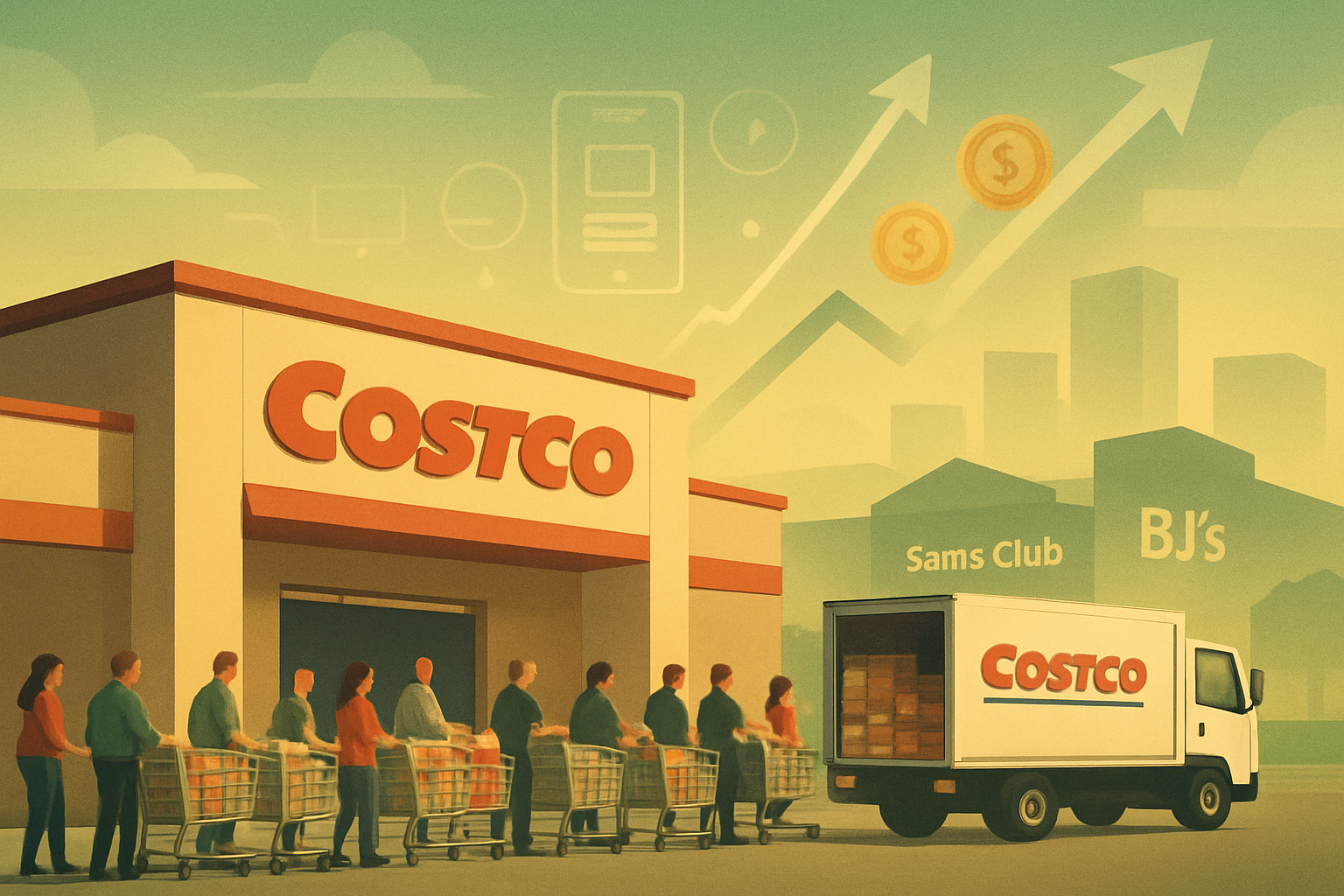

  • Walmart (WMT) Stock Research: How America’s Biggest Retailer Is Repricing Itself as a Tech-and-Services Compounder (12/15/2025)

    Walmart (WMT) Stock Research: How America’s Biggest Retailer Is Repricing Itself as a Tech-and-Services Compounder (12/15/2025)

    As of 12/15/2025, Walmart Inc. (WMT/Nasdaq) sits in a deceptively unusual spot in U.S. equities: it is simultaneously a classic “defensive” staple retailer (a grocery-led traffic machine) and an increasingly digital, data-rich platform trying to earn a higher multiple through higher-margin profit pools—advertising, marketplace services, fulfillment, and memberships.

    Walmart’s relevance in late 2025 is tied to three overlapping forces:

    • A consumer that still wants value. Walmart’s “Everyday Low Price” DNA positions it well when households are cautious, when credit is tighter, or when inflation has altered shopping habits.
    • A store network that doubles as a logistics advantage. Roughly 90% of Americans live within 10 miles of a Walmart store, an unmatched “last-mile” asset in an era where same-day delivery is becoming table stakes.
    • A profit mix that is quietly shifting. Walmart’s leadership has emphasized that advertising and membership income together contribute a meaningful share of operating income in recent quarters—an “Amazon-like flywheel” investors are increasingly willing to pay up for.

    Scale remains staggering: ~$681B in FY2025 revenue, 10,750+ stores globally across 19 countries, and roughly 2.1 million employees. The story investors are debating is not whether Walmart will remain important—it’s whether the market is right to price Walmart less like a mature retailer and more like a durable “retail-tech” compounder.

    2. Historical Background

    Walmart’s story begins with Sam Walton, who believed discount retail could thrive in smaller American towns that bigger chains ignored. The first Wal-Mart Discount City opened in Rogers, Arkansas in 1962. Walton’s early advantage wasn’t just low prices; it was an operating system: disciplined expense control, relentless vendor negotiation, and a distribution model that would become legendary.

    Key milestones that reshaped the company:

    • 1970–1972: going public and scaling. Walmart incorporated in 1969, went public in 1970, and listed on the NYSE in 1972—unlocking capital for hyper-growth.
    • 1983: Sam’s Club launches, expanding into the membership warehouse format.
    • 1988: the first Supercenter arrives—marrying discount general merchandise with a full grocery business and changing American shopping behavior.
    • 1990s–2000s: international expansion (Mexico, Canada, China, the U.K. via Asda), plus rapid technology adoption (barcodes, early data systems).
    • 1996 onward: e-commerce arrives (Walmart.com). The company’s later push to catch up in digital accelerated after the 2010s.
    • 2016: Jet.com acquisition (~$3.3B), a symbolic escalation in the battle with Amazon.
    • 2018: Flipkart majority stake (~$16B), a major bet on India’s long-term digital commerce growth.
    • 2024: Vizio acquisition (~$2.3B), aimed at boosting Walmart’s advertising and connected-TV reach.

    In short: Walmart has repeatedly used its scale to enter adjacent profit pools—first groceries, then membership, then global retail, and now digital services.

    3. Business Model

    Walmart’s economic engine is high-volume retailing built on cost leadership and a promise to “save people money so they can live better.” The twist in 2025 is that management is trying to graft higher-margin, recurring, and data-driven revenue streams onto that engine.

    Walmart reports three primary segments:

    1. Walmart U.S.

      • Largest segment and the core omnichannel platform.
      • Mix: grocery (nearly 60% of U.S. net sales), general merchandise, and health & wellness.
      • Profit levers: store productivity, supply chain efficiency, shrink management, and growing digital attach.
    2. Walmart International

      • Operations in 19 countries, increasingly oriented toward digital growth (notably in markets like Mexico, China, and through Flipkart in India).
    3. Sam’s Club U.S.

      • A membership-based warehouse model with attractive renewal economics.
      • Membership fees are a structurally higher-margin income stream relative to retail gross profit.

    Beyond product sales, investors increasingly focus on four “platform-like” revenue sources:

    • Advertising (Walmart Connect): monetizing on-site and in-store traffic using first-party shopper data.
    • Marketplace: third-party sellers expand assortment; Walmart earns fees and can cross-sell ads and fulfillment.
    • Fulfillment services (WFS): logistics and 3PL-like services for marketplace sellers.
    • Membership (Walmart+ and Sam’s Club): recurring income plus higher customer lifetime value.

    The customer base is broad—value-seeking households remain core, but Walmart has been gaining share among higher-income shoppers (>$100k) during periods of price sensitivity.

    4. Stock Performance Overview

    Walmart’s stock performance over the past decade reflects two identities: a defensive retailer during macro stress and, more recently, a “platform narrative” beneficiary as advertising and digital services scale.

    As of mid-December 2025:

    • 1-year: approximately +24% to +26% total return; shares reached all-time highs (reported high around $116.79 on 12/15/2025).
    • 5-year: roughly +140% to +157% total return.
    • 10-year: reported ~+596% total return, with annual returns outpacing the broad market in several comparisons.

    Notable moves and catalysts:

    • Inflation shock in 2022 triggered a meaningful drawdown as costs surged and retail margins were questioned.
    • Earnings beats and guidance raises repeatedly drove rallies (e.g., sharp pops following strong quarters and improved outlooks).
    • Walmart’s “defensive” status often attracts flows during uncertain growth backdrops.

    Relative performance:

    • Over multiple horizons, Walmart has generally outperformed the S&P 500 and many traditional retail peers—helped by groceries, operational scale, and the perception of a growing digital profit mix.

    5. Financial Performance

    Walmart’s recent financials show steady top-line growth, incremental margin improvement, and increasing contribution from higher-margin businesses.

    FY2025 (ended 1/31/2025)

    • Revenue: $681.0B (up ~5%).
    • Operating income: $29.3B (up ~9%).
    • Net income: $20.2B; diluted EPS: $2.41.
    • Operating cash flow: $36.4B.
    • Free cash flow: reported ~$13.1B (down year-over-year).
    • Capex: $23.8B focused on automation, technology, and store modernization.

    Q3 FY2026 (ended 10/31/2025)

    • Revenue: $179.5B (+5.8% YoY; +6.0% constant currency).
    • Adjusted operating income: $7.2B (+8.0% constant currency).
    • GAAP EPS: $0.77 (+35% YoY); adjusted EPS: $0.62 (+6.9% YoY).
    • Gross profit rate: ~24.2% (stable).

    Balance sheet & capital return

    • Cash (Q3 FY2026): ~$10.6B; total debt: ~$53.1B.
    • Q3 FY2026 shareholder returns: $2.7B (dividends + buybacks).
    • Dividend: Walmart raised its annual dividend to $0.94/share for FY2026, marking 50+ consecutive years of increases.

    Valuation (late 2025)

    • P/E: various estimates place Walmart around ~40–45x trailing earnings, with mid-to-high 30s forward P/E in some snapshots.
    • EV/EBITDA: around ~22–23x, notably above longer-term averages.

    The key question: can Walmart expand margins enough—through advertising, membership, marketplace, and automation—to justify a multiple that looks more like a quality compounder than a low-margin retailer?

    6. Leadership and Management

    Walmart is led by Doug McMillon (CEO), a long-time Walmart executive who has overseen the company’s shift toward omnichannel and technology investment. Key operating leaders include John Furner (Walmart U.S.), Kathryn McLay (Walmart International), and Chris Nicholas (Sam’s Club), with John David Rainey (CFO) overseeing capital allocation and investor communications.

    Strategic priorities under current leadership:

    • Omnichannel excellence: faster pickup/delivery and better digital-to-store integration.
    • Technology and automation: AI-driven demand forecasting, fulfillment center automation, and store modernization.
    • Profit mix upgrade: scale advertising (Walmart Connect), memberships, and marketplace services.

    Governance considerations:

    • The Walton family remains influential through significant ownership.
    • Walmart’s history includes governance scrutiny (notably past foreign bribery allegations). Investors typically weigh this against the company’s operational consistency and improving compliance and disclosure frameworks.

    7. Products, Services, and Innovations

    Walmart’s innovation agenda is pragmatic: use technology to lower unit costs, improve speed, and monetize its customer relationships.

    Key initiatives:

    • Walmart+: membership benefits including delivery/shipping perks, fuel discounts, and streaming bundles (Paramount+/Peacock options).
    • InHome delivery: higher-trust delivery into garages or refrigerators, designed to increase retention and share of wallet.
    • Automation in fulfillment: robotics and automated distribution are targeted to reduce handling costs and improve throughput.
    • Store modernization (“Store of the Future”): remodels and tech integration to connect physical aisles with digital assortment.
    • Walmart Connect: expanding on-site ads, in-store digital signage, and—via Vizio—more connected-TV reach.
    • Marketplace expansion: now 200,000+ active sellers (mid-2025), with services like WFS and seller financing.
    • Financial services (One fintech): debit, early wage access, installment loans/BNPL, aiming at underbanked customers.

    Healthcare is a more complex chapter. Walmart closed its Walmart Health clinics in 2024 due to profitability challenges, but it still operates a massive pharmacy and vision footprint and continues to explore health-adjacent services.

    8. Competitive Landscape

    Walmart competes across multiple retail battlegrounds:

    • Amazon.com (AMZN/Nasdaq): the core e-commerce rival; Amazon’s logistics and Prime ecosystem set the bar.
    • Costco Wholesale (COST/Nasdaq): a membership juggernaut with strong renewal economics.
    • Target (TGT/NYSE): stronger brand curation; competes in general merchandise and omnichannel.
    • Kroger (KR/NYSE): grocery-focused; private label and regional strength.
    • Dollar General (DG/NYSE) and Aldi/Lidl: value and convenience competitors.

    Walmart’s enduring moats:

    • Scale purchasing power and cost discipline.
    • Physical proximity enabling last-mile advantages.
    • Grocery gravity that drives frequency.

    Key weaknesses:

    • Thin core retail margins, especially in grocery-heavy mix.
    • Execution complexity across stores, digital, and services.
    • Reputational and labor controversies that periodically re-emerge.

    9. Industry and Market Trends

    Big-box retail in 2025 is being reshaped by:

    • Trade-down behavior: even higher-income consumers chase value when budgets feel tight.
    • Last-mile economics: delivery is expensive; retailers must optimize route density, pickup, and store fulfillment.
    • AI and automation: forecasting, dynamic pricing, shrink prevention, and warehouse robotics are moving from experiments to necessities.
    • Retail media networks: advertising monetization is one of the clearest profit opportunities in modern retail.
    • Supply chain resilience: post-pandemic playbooks emphasize flexibility, nearshoring, and tighter inventory discipline.

    Walmart is arguably positioned near the center of these trends: high-frequency grocery demand + data scale + stores as fulfillment hubs.

    10. Risks and Challenges

    A rigorous Walmart thesis must include the downsides.

    Key risks:

    • Valuation risk: with an elevated P/E and EV/EBITDA, the stock is more vulnerable to “multiple compression” if growth slows.
    • Margin pressure: wage inflation, price investment, and mix shifts toward grocery can cap profitability.
    • Shrink/theft: a persistent, multi-billion-dollar headwind; mitigation can require capex and can degrade customer experience.
    • E-commerce economics: delivery costs and promotional intensity can pressure profitability despite progress.
    • Labor and unionization: longstanding reputational risk and potential regulatory/legal exposure.
    • Cybersecurity and data privacy: multiple incidents across the retail industry—and Walmart’s own history—raise ongoing operational and legal risk.
    • International exposure: FX volatility and policy changes can swing reported results.

    11. Opportunities and Catalysts

    Walmart’s opportunity set is unusually broad for a mature retailer.

    Key upside levers:

    • Advertising: Walmart Connect growth remains fast, and Vizio expands reach into connected TV.
    • Marketplace flywheel: more sellers → broader assortment → more traffic → more ad inventory.
    • Membership scaling: Walmart+ and Sam’s Club membership income is high-margin and supports retention.
    • Automation-driven margin expansion: management expects major portions of fulfillment and store servicing to be supported by automation by ~2026.
    • International growth: Flipkart, Mexico, and China can provide faster-growing digital exposure.

    Near-term catalysts:

    • Earnings (next major report expected 2/19/2026).
    • Holiday and promotional performance: e-commerce penetration and marketplace conversion metrics.
    • Advertising updates: growth rates and monetization efficacy (on-site + in-store + CTV).

    12. Investor Sentiment and Analyst Coverage

    Analyst sentiment into late 2025 is broadly positive.

    • Many rating summaries show Walmart with a “Strong Buy” / “Buy” skew, with average targets often clustered around ~$117–$122, and high-end targets in the $130s.

    Common bull arguments:

    • Walmart is gaining share in groceries and online grocery.
    • Advertising and membership profit pools can lift margins structurally.
    • The company has demonstrated execution capability and resilience.

    Common bear arguments:

    • The stock’s valuation assumes continued margin expansion.
    • Wage/shrink and delivery economics remain structural pressures.
    • A normalization of inflation tailwinds could expose more modest volume growth.

    Institutional ownership is significant, with large holders including Vanguard and BlackRock, and multiple data sources showing active accumulation in recent periods.

    13. Regulatory, Policy, and Geopolitical Factors

    Walmart’s scale makes it a recurring subject of policy scrutiny.

    Key areas:

    • Labor regulation and minimum wage: changes can increase cost structure; union-related disputes can create legal and reputational exposure.
    • Antitrust: especially in international markets where supplier practices may draw regulator attention.
    • Food safety: tightening traceability requirements (e.g., FSMA 204) increase compliance demands but can also favor scale players that can invest.
    • Pharmacy regulation and opioid litigation: ongoing compliance burdens and legal risks.
    • Data privacy: breach risks meet stricter consumer protection expectations.
    • Tariffs and trade policy: shifting tariff regimes force sourcing diversification; nearshoring can reduce risk but may change cost dynamics.

    Geopolitical disruptions (shipping lanes, regional instability, deglobalization) can ripple through costs, availability, and inventory planning.

    14. Outlook and Scenarios

    Over the next 2–5 years, Walmart’s trajectory will likely hinge on whether it can keep core retail strong while scaling higher-margin “services” fast enough to lift consolidated profitability.

    Bull case

    • Revenue growth: ~5.5%–7.5% annually.
    • Margin expansion toward ~3.8%–4.5% net margin as advertising, membership, and automation scale.
    • The market sustains or expands Walmart’s premium multiple as it looks more “platform-like.”

    Base case

    • Revenue growth: ~3.5%–5.0% annually.
    • Net margin creeps toward ~3.3%–3.7%; continued investment partially offsets mix benefits.
    • Valuation stabilizes; returns track steady EPS growth and dividends.

    Bear case

    • Revenue growth: ~1.0%–3.0%.
    • Net margin pressured to ~2.5%–3.0% from wage/shrink, promotion, and delivery costs.
    • Multiple compresses meaningfully, even if Walmart remains operationally sound.

    KPIs to track

    • Walmart U.S. comp sales
    • E-commerce growth and profitability
    • Walmart Connect advertising growth
    • Walmart+ / Sam’s Club membership income growth and retention
    • Gross margin, operating margin, and shrink metrics
    • Inventory discipline and free cash flow

    15. Conclusion

    Walmart Inc. (WMT/Nasdaq) is still the country’s most powerful scale retailer, but the more important investment debate in 12/15/2025 markets is whether Walmart is becoming a structurally different earnings machine.

    The bullish view is coherent: Walmart’s store network is a logistics edge that can support faster delivery at better economics than many rivals, while advertising, membership, marketplace fees, and fulfillment services gradually lift margins and reduce dependence on low-margin grocery.

    The bearish view is equally real: the stock is priced for execution, and retail remains a brutally competitive, cost-pressured business where shrink, wages, and delivery can quickly eat “platform” upside.

    For investors, the watchlist is clear: ad and membership growth, e-commerce profitability, automation savings, and shrink control. If those levers keep improving, Walmart’s premium valuation can remain durable. If they stall, the company may still be a high-quality defensive retailer—but the stock could behave more like one, too.


    This content is intended for informational purposes only and is not financial advice

  • ASML Holding N.V.: The Indispensable Enabler of the AI Revolution

    ASML Holding N.V.: The Indispensable Enabler of the AI Revolution

    ASML Holding N.V. (AMS: ASML), a Dutch multinational corporation, stands as an almost singularly critical and virtually indispensable player in the global semiconductor industry. Specializing in the development and manufacturing of photolithography machines, ASML's technology is fundamental to producing the integrated circuits that power nearly all electronic devices today, from smartphones to advanced AI systems.

    Headquartered in Veldhoven, Netherlands, ASML employs approximately 44,030 people globally as of September 30, 2025. Its product portfolio includes advanced photolithography systems—both Extreme Ultraviolet (EUV) and Deep Ultraviolet (DUV) lithography—along with metrology and inspection systems, computational lithography solutions, and process control software. ASML holds a near-total monopoly as the world's sole provider of EUV lithography machines, a dominance reflected in its estimated 90% share of the semiconductor lithography market, encompassing both EUV and DUV technologies.

    ASML's central role stems primarily from its technological supremacy. Its unique EUV lithography technology, an engineering marvel, uses laser pulses to create plasma that emits 13.5 nm wavelength light, allowing for unprecedented precision in etching intricate circuit patterns onto silicon wafers. EUV is crucial for producing chips with transistor sizes below 5 nanometers (nm), and even down to 3 nm, essential for high-performance applications and continuing Moore's Law. Furthermore, ASML is actively pushing the boundaries with its next-generation High Numerical Aperture (High-NA) EUV systems (EXE platforms), designed to enable chipmakers to manufacture nodes below 2 nm, supporting future innovations in AI and quantum computing. High-NA EUV is expected to support high-volume manufacturing in 2025-2026.

    Major chip manufacturers, including TSMC, Samsung, and Intel, are highly dependent on ASML's cutting-edge machines. The increasing demand for powerful, high-performance AI chips directly translates into a need for ASML's advanced lithography systems, positioning ASML as a pivotal force behind the artificial intelligence (AI) revolution. The company demonstrated its commitment to AI-driven innovation through a significant $1.5 billion investment in Mistral AI, an artificial intelligence startup, in September 2025.

    As of late September 2025, ASML's market capitalization reached approximately $345 billion, solidifying its position as Europe's largest technology company. The company projects total net sales for 2025 to be between €30 billion and €35 billion, with a gross margin ranging from 51% to 53%, driven by escalating demand for advanced semiconductors. ASML also boasts a substantial record-high order backlog of €36 billion, offering strong revenue visibility. While geopolitical tensions and export restrictions, particularly concerning China, present challenges, ASML's technological dominance and strong financial outlook underscore its current relevance and long-term importance.

    2. Historical Background

    ASML's journey from a modest joint venture to a global technological powerhouse is a testament to relentless innovation and strategic vision.

    ASML was founded on April 1, 1984, as ASM Lithography, a joint venture between the Dutch electronics giant Philips and chip-machine manufacturer Advanced Semiconductor Materials International (ASMI). Operating from a reportedly leaky shed in Eindhoven, the Netherlands, the company’s initial mission was to commercialize the PAS 2000, a wafer stepper developed at Philips. Despite facing intense competition from established players like Nikon and Canon and grappling with financial demands, ASML quickly established itself.

    Early milestones included the launch of the PAS 2000 stepper in 1984 and the PAS 2500 stepper in 1986, which incorporated crucial alignment technology. A significant partnership with lens manufacturer Carl Zeiss also began in 1986. By 1988, ASM International sold its stake to Philips, making ASML a wholly-owned subsidiary for a period. A pivotal breakthrough came in 1991 with the PAS 5500 platform, known for its industry-leading productivity, which helped ASML achieve profitability.

    In 1995, ASML became a fully independent public company, listing its shares on both the Amsterdam and New York stock exchanges. This IPO provided critical capital for further growth and R&D. The late 1990s saw ASML strategically focus on Deep Ultraviolet (DUV) lithography, enabling manufacturers to produce smaller, more efficient chips. By 2000, annual revenue surpassed €1 billion, and the acquisition of Silicon Valley Group (SVG) in the U.S. further expanded its reach. In 2002, ASML became the largest supplier of photolithography systems worldwide, and by 2005, its revenue exceeded €2 billion.

    The most profound transformation has been ASML's multi-decade, multi-billion-euro investment in Extreme Ultraviolet (EUV) lithography. This ambitious project, initiated in the early 2000s, aimed to develop technology using light with a much shorter wavelength for incredibly intricate circuitry. Key steps included the acquisition of Cymer (a lithography light source manufacturer) in 2013, the shipment of second and third-generation EUV systems in 2013 and 2015, respectively, and finally, the commencement of high-volume manufacturing with the NXE:3400 in 2020. This technological leadership secured ASML's near-monopoly in advanced chipmaking equipment.

    ASML's journey is also marked by strategic partnerships, notably with Carl Zeiss for EUV optics, and co-investment programs from major customers like Intel, TSMC, and Samsung, which shared the substantial risks and rewards of EUV development. Today, ASML continues its innovation trajectory with the development of next-generation High-NA EUV systems, with first shipments for R&D commencing in December 2023, ensuring its technological lead for years to come.

    3. Business Model

    ASML Holding N.V. operates a crucial business model deeply embedded in the semiconductor industry, providing advanced technology and services essential for manufacturing integrated circuits. As of September 30, 2025, ASML's business is characterized by specialized revenue streams, a cutting-edge product portfolio, comprehensive service offerings, strategic segmentation, and a global customer base.

    Revenue Sources
    ASML's primary revenue streams are derived from the sale of its highly advanced lithography systems and its extensive Installed Base Management (IBM) services.

    • System Sales: This is the largest component of ASML's revenue. For Q2 2025, net system sales were €5.6 billion, split between €2.7 billion from EUV sales and €2.9 billion from non-EUV sales (primarily DUV and other systems). Overall EUV revenue growth is projected at approximately 30% in 2025 compared to 2024.
    • Installed Base Management (IBM) Sales: This segment, contributing €2.1 billion to total net sales in Q2 2025, includes ongoing support, upgrades, and maintenance for systems already installed at customer sites. IBM revenue is expected to grow by over 20% in 2025, driven by an expanding installed base and increasing EUV service contributions.

    For the full year 2025, ASML projects total net sales to increase by around 15% relative to 2024, ranging between €30 billion and €35 billion, with Q2 2025 reporting €7.7 billion in total net sales and a gross margin of 53.7%.

    Product Lines
    ASML's portfolio centers on its "holistic lithography" approach, integrating hardware, software, and metrology solutions:

    • Extreme Ultraviolet (EUV) Lithography Systems: These are state-of-the-art systems offering the highest resolution for high-volume manufacturing of the most advanced microchips. ASML holds a global monopoly in this critical technology. The TWINSCAN EXE:5200B and TWINSCAN NXE:3800E are significant EUV products.
    • Deep Ultraviolet (DUV) Lithography Systems: These systems, including dry and immersion DUV, are essential for high-volume manufacturing of advanced Logic and Memory chips, and for novel chip innovation.
    • Metrology & Inspection Systems: This portfolio provides speed and accuracy throughout the chip manufacturing process, enabling pattern quality assessment and defect identification. Examples include YieldStar optical metrology systems and HMI electron beam solutions (e.g., eScan 1100, eScan 600, eP5, eScan 430).
    • Computational Lithography Solutions: Software solutions that minimize physical and chemical effects that can interfere with chip quality.
    • Refurbished Systems: Refurbishment and upgrade services for older lithography systems like the PAS 5500 and TWINSCAN systems.

    Services
    Integral to its business, ASML's Installed Base Management services include customer support, technical upgrades (e.g., productivity upgrades for NXE:3800E), and relocation services.

    Segments
    ASML reports primarily along System sales (EUV vs. non-EUV) and Installed Base Management sales.

    • End-use Market Segments: System sales are analyzed by end-use: Logic (chips for processors, including AI, accounting for 84% of Q2 2025 bookings) and Memory (chips for data storage, including HBM, accounting for 16% of Q2 2025 bookings).
    • Geographic Segments: ASML operates globally. While China contributed 36% of 2024 revenue, this is expected to normalize to around 25% in 2025 due to export restrictions. Other key regions include South Korea, the United States, Taiwan, EMEA, and Japan.

    Customer Base
    ASML's customer base comprises the world's leading semiconductor manufacturers, including TSMC, Intel, and Samsung, who rely on ASML's technology for high-performance processors and innovations in AI and 5G. The growing demand for AI is a key driver for increased capacity on leading-edge nodes.

    4. Stock Performance Overview

    ASML Holding N.V. (AMS: ASML) has delivered robust stock performance over the past decade, driven by its critical, near-monopoly position in advanced lithography. As of September 30, 2025, its stock has shown significant appreciation across various time horizons, albeit with fluctuations influenced by industry cycles, technological advancements, and geopolitical dynamics.

    1-Year Stock Performance
    Over the past 12 months, ASML has shown a total return of 12.75%, with a Trailing Twelve Months (TTM) average annual return of 17.31%. The stock closed at $962.61 on September 29, 2025.

    • Notable Moves: The 52-week range saw a low of $578.51 (around April 7, 2025) and a high of $977.48 (around September 23, 2025), indicating a substantial recovery. A July 2025 decline followed Q2 earnings, where ASML cautioned on 2026 revenue growth due to macroeconomic and geopolitical uncertainties. An earlier sharp drop in October 2024 (16%) was due to a lowered 2025 revenue forecast. However, a significant rebound (almost 25%) occurred in August-September 2025, driven by the avoidance of U.S. tariffs, robust AI investment, strong client performance, and ASML's strategic investment in AI startup Mistral AI.
    • Key Drivers: Strong AI chip demand and the deployment of advanced EUV and High-NA EUV systems are significant tailwinds, alongside geopolitical developments.

    5-Year Stock Performance
    ASML has delivered a total return of 168.83% over the past five years, translating to an average annual return (CAGR) of 22.35%.

    • Overall Trends: This period saw remarkable growth fueled by demand for advanced semiconductors. ASML's unique EUV monopoly was indispensable.
    • Notable Moves: Strong growth from 2019-2021 (yearly returns of 93.19%, 66.28%, 64.13%) was driven by global digitalization. A significant downturn in 2022 (-30.52%) was part of a broader semiconductor correction. However, the stock rebounded strongly in 2023 (39.90% return) and has a year-to-date return of 38.36% as of September 30, 2025, largely due to the accelerating AI revolution.
    • Key Drivers: Sustained AI infrastructure build-out, ASML's EUV monopoly, and robust capital expenditure by major foundry customers.

    10-Year Stock Performance
    Over the past decade, ASML has achieved an impressive total return of 1,136.62%, corresponding to an average annual return (CAGR) of 27.59%. An initial investment of $1,000 ten years ago would now be worth over $12,366.20.

    • Long-Term Growth Trajectory: ASML's performance highlights a powerful long-term growth trend, with EPS showing an average annual growth of 21.5% over this period.
    • Overarching Drivers: Continuous innovation and successful development of DUV and EUV technologies have been paramount. The proliferation of smart devices, IoT, cloud computing, and AI has consistently driven demand. Strategic customer relationships, high barriers to entry, and global expansion of chip manufacturing further solidified its position.

    In summary, ASML's stock performance reflects its indispensable role in the advanced semiconductor manufacturing ecosystem. While subject to industry cycles and geopolitical influences, its technological leadership and the burgeoning demand for AI-driven chips position it for continued long-term growth.

    5. Financial Performance

    ASML Holding N.V. reported strong financial results for the second quarter of 2025, with net sales at the upper end of its guidance and robust margins. The company also provided a positive outlook for full-year 2025 revenue growth, though it noted increasing uncertainty for 2026.

    Here's a detailed breakdown of ASML Holding N.V.'s financial performance as of September 30, 2025, primarily based on its Q2 2025 results released on July 16, 2025:

    Latest Earnings (Q2 2025)

    • Net Income: €2.3 billion, representing 29.8% of total net sales.
    • Earnings Per Share (EPS): €5.90, a 47% year-over-year increase.

    Revenue Growth

    • Q2 2025 Total Net Sales: €7.7 billion, at the upper end of guidance, a 23.3% increase compared to Q2 2024 (€6.2 billion). Net system sales were €5.6 billion, with Installed Base Management contributing €2.1 billion.
    • Net Bookings: €5.5 billion in Q2 2025, including €2.3 billion from EUV. Logic applications dominated bookings at 84%.
    • Full-Year 2025 Outlook: ASML expects a total net sales increase of around 15% for the full year 2025 relative to 2024.

    Margins

    • Gross Margin: 53.7% for Q2 2025, exceeding guidance.
    • Operating Margin: 34.6% in Q2 2025.
    • Full-Year 2025 Gross Margin Outlook: Approximately 52%.

    Debt

    • Total Liabilities: €27.2309 billion as of Q2 2025.
    • Long-term Debt: €3.6989 billion in Q2 2025.
    • Debt-to-Equity Ratio: Approximately 1.55 as of Q2 2025.

    Cash Flow

    • End-Quarter Cash and Cash Equivalents and Short-Term Investments: €7.2 billion in Q2 2025, a decrease from €9.1 billion in Q1 2025.
    • Net Cash Provided by Operating Activities (Q2 2025): €747.7 million.
    • Net Cash Used in Investing Activities (Q2 2025): (€428.0) million.
    • Net Cash Used in Financing Activities (Q2 2025): (€2,163.8) million, including dividend payments of €714.4 million and treasury share purchases of €1.4852 billion.
    • Net Cash Flows (Q2 2025): (€1,844.1) million.

    Valuation Metrics (as of late September 2025)

    • Market Capitalization: Approximately $375.09 billion (September 29, 2025).
    • Enterprise Value: $370.92 billion (September 29, 2025).
    • Trailing P/E Ratio: 34.00 (September 29, 2025).
    • Forward P/E Ratio: 33.69 (September 29, 2025).
    • EV/EBITDA Ratio: 26.18x (September 29, 2025).
    • PEG Ratio: 1.61 (September 29, 2025).

    6. Leadership and Management

    As of September 30, 2025, ASML Holding N.V. maintains a robust leadership structure, a clear strategic direction, and a strong commitment to corporate governance, while navigating an increasingly uncertain global economic and geopolitical landscape.

    CEO: Christophe Fouquet
    Christophe Fouquet assumed the role of Chief Executive Officer and President on April 24, 2024, also chairing the Board of Management. Fouquet anticipates 2025 to be a growth year, largely driven by AI demand, with projected sales between €30 billion and €35 billion. However, he has also highlighted increasing uncertainties from macroeconomic conditions and geopolitical developments, including new tariff hikes, which could push revenue towards the lower end of the forecast.

    Leadership Team (Board of Management)
    The Board of Management consists of five members. Key members alongside CEO Christophe Fouquet include:

    • Roger J. Dassen: Executive Vice President and Chief Financial Officer (CFO).
    • Frederic J. Schneider-Maunoury: Executive Vice President and Chief Operations Officer.
    • James Koonmen: Executive Vice President and Chief Customer Officer.
    • Wayne Allan: Executive Vice President and Chief Strategic Sourcing & Procurement Officer.
      The team boasts considerable experience, with an average tenure of 7.3 years.

    Board (Supervisory Board)
    ASML operates with a two-tier board system. The independent Supervisory Board, comprising nine members, oversees and advises the Board of Management.

    • Nils Andersen: Chairman of the Supervisory Board since 2023.
    • Terri Kelly: Vice-Chair of the Supervisory Board.
      Notable changes at the April 23, 2025 AGM included the conclusion of Annet Aris's term and the appointment of Karien van Gennip as a new member. Birgit Conix was reappointed. The average tenure of Supervisory Board members is 3.4 years.

    Strategy
    ASML's core strategy centers on its pivotal role as the sole provider of Extreme Ultraviolet (EUV) lithography systems, essential for advanced semiconductor chips. Strategic priorities include:

    • Technological Leadership: Maintaining innovation in EUV and DUV technologies.
    • EUV Advancement: Securing high-volume manufacturing performance and expanding its EUV portfolio, notably with High-NA EUV systems from 2025 onwards.
    • Customer Focus: Strengthening customer trust and operational excellence.
    • Market Expansion: Leveraging global demand for advanced semiconductors driven by AI, 5G, and digitalization.
    • R&D Investment: Prioritizing significant reinvestment in R&D (€4.3 billion in 2024, €1.2 billion planned for Q2 2025).
    • Financial Targets: Aiming for annual sales between €44 billion and €60 billion by 2030, with gross margins of 56-60%.
      However, geopolitical tensions and export controls, particularly concerning China, are significantly shaping ASML's strategy and market dynamics.

    Governance Reputation
    ASML emphasizes strong corporate governance, adhering to Dutch law and principles of independence, accountability, and transparency.

    • ESG Performance: Sustainalytics rates ASML's ESG risk management as "strong," with targets including net-zero emissions by 2040.
    • Remuneration Policy: Structured to align incentives with long-term value creation.
    • Auditing: PricewaterhouseCoopers Accountants N.V. is the external auditor.
    • Culture: Fosters integrity, respect, and inclusivity.

    7. Products, Services, and Innovations

    ASML Holding N.V. is a critical enabler of the semiconductor industry, providing advanced technology systems essential for producing microchips. As of September 30, 2025, the company maintains its dominant position through a comprehensive product portfolio, significant R&D investments, an extensive patent portfolio, and a strong competitive edge.

    Current Product Offerings
    ASML's offerings revolve around holistic lithography, integrating lithography systems, computational lithography software, and metrology and inspection products.

    • EUV Lithography Systems: Flagship products offering the highest resolution for high-volume manufacturing of advanced chips (below 7nm), crucial for AI and next-gen electronics. ASML is the sole global provider.
    • DUV Lithography Systems: Deep Ultraviolet systems remain a significant part of ASML's portfolio, used for high-volume manufacturing of advanced Logic and Memory chips and for less critical layers on advanced chips.
    • Metrology and Inspection Systems: A range of optical and e-beam tools (e.g., YieldStar, HMI e-beam solutions like eScan 1100, eScan 600, eP5, eScan 430) that measure pattern quality and detect defects.
    • Computational Lithography: Software solutions to minimize physical and chemical effects on chip quality.
    • Refurbished Systems: Services to refurbish and upgrade older PAS 5500 and TWINSCAN systems.

    Innovation Pipelines
    ASML's innovation pipeline focuses on advancing lithography for smaller, more powerful chips.

    • High-NA EUV (High Numerical Aperture EUV): The next generation of EUV, designed for finer resolution and faster processing for 2nm nodes and below. ASML began shipping its first High-NA EUV tools (TWINSCAN EXE:5000 and EXE:5200) to customers like Intel in early 2025. ASML plans to ship at least five High-NA EUV systems in 2025, ramping up to 20 machines in a few years, with sales projected to triple in 2025, from €465 million in 2024 to €1.7 billion.
    • Hyper-NA EUV: Potential for even higher numerical aperture EUV machines (0.75 NA) around 2032-2035 is being explored.
    • Holistic Lithography and Process Control: Ongoing R&D in advanced control, e-beam metrology, and process window prediction.
    • Customer Collaboration: Deep collaboration with customers and ecosystem partners.

    R&D Investments
    ASML heavily invests in R&D to maintain its technological leadership. R&D spending was approximately €3.5 billion in 2023, $4.657 billion in 2024, and $4.899 billion for the twelve months ending June 30, 2025. The company plans to maintain high R&D investment levels.

    Patents
    ASML holds an extensive and robust intellectual property portfolio, acting as a significant barrier to entry. It has 33,311 patents globally, with over 50% active, primarily in the US, Japan, and Taiwan. Key areas include photomechanical treatment, lithography apparatus, metrology apparatus, and fibre optic technology.

    Competitive Edge
    ASML's competitive edge is multifaceted:

    • Near-Monopoly in EUV Lithography: Sole provider of indispensable EUV technology for advanced chips.
    • Technological Leadership: Decades of R&D, IP protection, and engineering expertise.
    • High Entry Barriers: Immense complexity, cost (EUV machines upwards of €200 million, High-NA EUV over $400 million), and long development cycles.
    • Strategic Relationships: Strong, long-standing relationships with major chip manufacturers.
    • Economies of Scale: Benefits from market leadership in R&D, manufacturing, and support.
    • Comprehensive Service Network: Robust global service network.
    • Financial Strength: Consistent profitability and high gross margins.
    • Global Presence: Major customers across Asia, North America, and Europe.

    While competitors like Nikon and Canon challenge in DUV, none match ASML's EUV dominance. Geopolitical factors present challenges, but ASML's indispensable role in the AI supply chain underpins its long-term growth.

    8. Competitive Landscape

    ASML Holding N.V. maintains a dominant position in the semiconductor equipment industry as of September 30, 2025, primarily due to its unparalleled leadership in Extreme Ultraviolet (EUV) lithography technology. However, the company operates within a complex competitive landscape with various rivals specializing in different aspects of semiconductor manufacturing.

    Industry Rivals
    While ASML has a unique, near-monopolistic position in highly advanced EUV lithography, it faces competition in other crucial areas of semiconductor equipment:

    • Applied Materials: The largest supplier of wafer fabrication equipment globally, offering etching and deposition technologies that complement ASML's systems.
    • Lam Research: A leader in etching and deposition segments.
    • Canon: Competes in Deep Ultraviolet (DUV) lithography and is pioneering nanoimprint lithography (NIL) as a potential alternative.
    • Nikon: Also competes in the DUV lithography segment with immersion lithography systems.
    • KLA Corporation: Specializes in process control and yield management systems.
    • Tokyo Electron (TEL): A significant player in semiconductor production equipment.
    • NuFlare Technology, Inc.: Provider of electron beam mask writing and inspection systems.
    • ASM International: Another competitor in the broader semiconductor equipment industry.
    • Veeco Instruments Inc.: Offers diverse solutions for chip-making.

    These rivals often serve the same customer base, providing complementary technologies to ASML's lithography systems.

    Market Share
    ASML's market share varies significantly by segment:

    • EUV Lithography: ASML holds a 100% global market share, being the sole provider of this critical technology for advanced chips (7nm, 5nm, 3nm).
    • EUV Lithography Segment (overall): Approximately 60% market share, with Nikon and Canon holding a combined 40%.
    • Lithography Equipment Subsegment: ASML holds an 82.9% market share. The overall lithography equipment market is projected to reach USD 46.4 billion in 2025.
    • Overall Semiconductor Equipment Market: In 2024, ASML's market share was 20.2%, a slight decrease from 22.2% in 2023, with Applied Materials regaining the top position.

    Competitive Strengths

    • Monopoly in EUV Lithography: Indispensable for advanced chip manufacturing.
    • Advanced Technology and Innovation: Decades of R&D and expertise.
    • Strong Intellectual Property: Over 14,000 patents create a formidable barrier to entry.
    • High Barriers to Entry: Immense technological and financial investments required to compete.
    • Established Customer Relationships: Strong, long-standing ties with major chip manufacturers.
    • High-NA EUV Systems: Rolling out next-generation High-NA EUV systems for sub-2nm nodes, solidifying future dominance.
    • Recurring Revenue Streams: Stable and growing revenue from servicing and upgrading its installed base.
    • Strong Financial Performance: Consistent profitability and high gross margins.

    Competitive Weaknesses/Risks

    • Customer Concentration: Heavy reliance on a few major customers (TSMC, Samsung, Intel).
    • Geopolitical Tensions and Export Controls: US-China tech rivalry and related export restrictions limit sales of advanced EUV and DUV systems to China, potentially fostering domestic competition in the long term.
    • Cyclicality of the Semiconductor Industry: Vulnerable to industry downturns, inventory adjustments, and shifts in technology adoption.
    • High Valuation and Volatility: High P/E ratio (40.18) suggests the stock is priced for perfection, increasing sensitivity to any negative news.
    • Supply Chain Disruptions: Highly specialized and global supply chain is vulnerable to disruptions.
    • Technological Risk: Long-term risk of a completely different lithography method emerging, though barriers are extremely high.

    9. Industry and Market Trends

    ASML Holding N.V. is navigating a dynamic semiconductor landscape as of September 30, 2025, characterized by robust demand for advanced chips, particularly those driven by Artificial Intelligence (AI), alongside persistent geopolitical complexities and cyclical market adjustments.

    Sector-Level Trends
    The semiconductor industry is poised for significant growth, projected to reach approximately $697 billion in 2025 (an 11% year-over-year increase) and aspire to $1 trillion by 2030. This expansion is fueled by Moore's Law, demanding smaller, faster, and more power-efficient chips. ASML, as the sole producer of EUV lithography machines and a dominant DUV player, is at the heart of this trend. The lithography equipment market is projected to grow from $46.4 billion in 2025 to $103.9 billion by 2035 (CAGR of 8.4%), with EUV lithography expected to hold a 42.6% market share in 2025, driven by sub-10 nanometer requirements. ASML is actively rolling out its next-generation High-NA EUV systems, shipping its fifth High-NA system in Q1 2025 and the first TWINSCAN EXE:5200B in Q2 2025, solidifying its dominance for sub-2nm nodes.

    Despite strong long-term fundamentals, the semiconductor market is experiencing a "slow recovery" into 2025, with overall growth projected at 11.2%. There's a bifurcation: strong demand for AI-related chips contrasts with slower recovery in non-AI chip markets and delayed factory equipment investments due to lingering overcapacity. ASML's CEO noted increasing uncertainty in the chip market extending into 2025.

    Macro Drivers

    • Artificial Intelligence (AI) Demand: The global acceleration of AI, high-performance computing, and 5G is creating insatiable demand for advanced chips. AI is the "key driver of growth" for ASML in both memory and logic segments, with generative AI chips alone projected to account for over $150 billion in semiconductor revenue in 2025. ASML's EUV machines are crucial for these chips, and major customers like TSMC are increasing EUV capacity by about 30% compared to 2024 to meet AI demand.
    • Geopolitical Tensions and Export Controls: US-China trade disputes and export controls are significant. Restrictions limit ASML's advanced equipment sales to China, a market that accounted for over a third of 2024 revenue but is expected to moderate to 25% in 2025. New US tariffs on EU chip equipment (effective August 2025) could raise costs for ASML's US shipments and impact its supply chain if they apply to parts. ASML's CEO has expressed frustration and urged European support.
    • Global Economic Outlook: Greater economic stabilization in 2025 could boost consumer spending. However, macroeconomic uncertainties and potential delays in customer capital expenditure, partly due to geopolitical factors, are casting a shadow on ASML's previously bullish 2026 guidance.

    Supply Chains
    ASML's highly integrated, global, and specialized supply chain is vulnerable to geopolitical pressures and disruptions. The CEO warned that governmental interference could damage the "chain of trust." To enhance resilience, semiconductor executives are prioritizing geographical diversity. ASML is restructuring its supply chain and utilizing free-trade zones to address tariffs, though uncertainties remain.

    Cyclical Effects
    The semiconductor industry is inherently cyclical.

    • Order Backlog and Bookings: Q2 2025 saw €5.5 billion ($6.4 billion) in order bookings (including €2.3 billion EUV), exceeding expectations. The order backlog stands at approximately €33 billion, providing revenue visibility into 2026. However, Q1 2025 bookings (€3.9 billion) were lower than Q4 2024, indicating near-term caution. ASML expects full 2025 revenue to increase by ~15%, with demand skewed towards H2.
    • Capital Expenditure Cycles: Semiconductor companies are expected to allocate $185 billion to capital expenditures in 2025 to expand manufacturing capacity by 7%. However, customer delays and lingering overcapacity have dampened demand for ASML's systems in some segments (non-AI chips).
    • Outlook for 2026: ASML has cautioned that 2026 growth cannot be confirmed due to increasing macroeconomic and geopolitical risks. Some analysts predict potential price dips in early 2026. However, Morgan Stanley upgraded ASML in September 2025, citing potential for positive earnings revisions and a cyclical recovery into 2026-2027 driven by strengthening memory and logic investments.

    In summary, ASML benefits from strong long-term tailwinds driven by AI, 5G, and IoT but faces near-term headwinds from geopolitical tensions (export controls, tariffs) and cyclical market adjustments. Its monopolistic position in EUV provides resilience, but broader market uncertainty warrants a cautious outlook beyond 2025.

    10. Risks and Challenges

    Despite its formidable market position, ASML Holding N.V. faces a complex array of risks and challenges that could impact its future growth and profitability. These span operational, regulatory, and market-specific factors.

    Operational Risks

    • Supply Chain Vulnerability: ASML relies on a highly specialized and global supply chain, making it susceptible to disruptions from natural disasters, geopolitical events, or single-source component failures. For instance, the company is dependent on Carl Zeiss for its advanced optics. Any significant disruption could severely impact production and delivery.
    • Technological Obsolescence/Competition: While ASML currently holds a monopoly in EUV, the pace of technological change in semiconductors is relentless. A breakthrough in a competing lithography technology (e.g., Canon's nanoimprint lithography) or a fundamental shift in chip architecture could erode ASML's competitive edge, although the immense R&D investment required makes this a high barrier.
    • R&D Execution Risk: The development of next-generation technologies like High-NA EUV is incredibly complex and expensive. Delays, cost overruns, or failure to meet performance targets could significantly impact ASML's roadmap and customer adoption. The high cost of High-NA EUV systems (exceeding $400 million each) is already causing some customers, like TSMC, to reportedly delay widespread adoption.
    • Talent Acquisition and Retention: The highly specialized nature of ASML's work requires top engineering and scientific talent. A shortage of skilled professionals, particularly in advanced optics and precision engineering, could hinder R&D and manufacturing capabilities.
    • Manufacturing Capacity Constraints: Ramping up production of highly complex machines like EUV and High-NA EUV requires significant capital investment and time. ASML must manage its own capacity expansion to meet growing demand from chipmakers.

    Regulatory Risks

    • Export Controls and Geopolitical Tensions: This is arguably ASML's most significant and immediate risk. The US-China technology rivalry has led to strict export controls on advanced semiconductor equipment, particularly EUV and certain high-end DUV systems, limiting ASML's sales to China. While China accounted for over a third of 2024 revenue, this is expected to drop to around 25% in 2025 due to these restrictions. There is a risk of even stricter controls, potentially impacting more DUV sales or even ASML's ability to service existing machines in China. Such restrictions not only reduce revenue but can also incentivize China to accelerate its domestic semiconductor equipment development, creating a long-term competitive threat.
    • Trade Disputes and Tariffs: The potential for new tariffs, such as the US tariffs on EU chip equipment effective August 2025, could increase costs for ASML's shipments to US customers and potentially disrupt its supply chain if they apply to parts. ASML's CEO has expressed frustration over governmental interference.
    • Environmental Regulations: As a large manufacturing company, ASML is subject to increasingly stringent environmental regulations regarding emissions, waste management, and energy consumption. Compliance requires ongoing investment and can impact operational costs.

    Market Risks

    • Semiconductor Industry Cyclicality: Despite long-term growth drivers, the semiconductor industry is inherently cyclical. Periods of oversupply, inventory corrections, or broader economic downturns can lead to reduced capital expenditure by chipmakers, impacting demand for ASML's equipment. ASML itself noted a slower recovery in traditional markets (smartphones, PCs) and cautioned on its 2026 guidance due to macroeconomic uncertainties.
    • Customer Concentration: ASML's reliance on a few large customers (TSMC, Samsung, Intel) means that changes in their investment strategies, production roadmaps, or financial health can have a disproportionate impact on ASML's order book and revenue.
    • High Valuation: ASML's stock trades at a high valuation, with a trailing P/E ratio of 34.00 as of September 29, 2025. This indicates that significant future growth is already priced in, making the stock susceptible to sharp corrections if the company fails to meet elevated market expectations or if negative news emerges.
    • Macroeconomic Headwinds: Global economic slowdowns, inflation, and rising interest rates can dampen overall demand for electronics, consequently reducing demand for semiconductors and the equipment to produce them.
    • Currency Fluctuations: As a global company reporting in Euros but with significant international sales and costs, ASML is exposed to currency exchange rate fluctuations.

    Addressing these risks requires ASML to maintain its technological leadership, diversify its supply chain where possible, engage proactively with governments, and carefully manage its financial and operational strategies.

    11. Opportunities and Catalysts

    ASML Holding N.V. is exceptionally well-positioned to capitalize on several significant opportunities and catalysts that are expected to drive its growth and solidify its market leadership in the coming years. These opportunities stem from technological advancements, expanding markets, and strategic initiatives.

    Growth Levers and New Markets

    • AI Revolution and High-Performance Computing (HPC): The accelerating demand for Artificial Intelligence (AI) chips, machine learning, and high-performance computing is the single most significant growth driver for ASML. AI processors require the most advanced nodes (5nm, 3nm, and below), which can only be manufactured using ASML's EUV and future High-NA EUV systems. This creates an insatiable demand for ASML's cutting-edge lithography. Major chipmakers are increasing their capital expenditure specifically to build capacity for AI chip production, directly benefiting ASML.
    • High-NA EUV Adoption: The rollout and increasing adoption of ASML's next-generation High Numerical Aperture (High-NA) EUV systems (EXE platforms) represent a massive opportunity. These systems are essential for producing chips at 2nm and beyond. While some initial customer hesitation due to cost has been noted, early adoption by players like Intel (receiving first EXE:5200 modules in early 2025) and Samsung (embracing High-NA EUV for memory and client manufacturing in February 2025) demonstrates the technology's critical importance. High-NA EUV sales are projected to triple in 2025, from €465 million in 2024 to €1.7 billion.
    • Memory Market Expansion (HBM): The rapidly growing demand for High-Bandwidth Memory (HBM) chips, crucial for advanced AI processors, is a significant opportunity. The memory-chip sector is increasingly adopting more advanced lithography techniques, including EUV, to produce these high-performance components.
    • 5G and IoT Proliferation: The global rollout of 5G networks and the expansion of the Internet of Things (IoT) continue to drive demand for a wide array of semiconductors, from advanced processors to more mature nodes, supporting demand for both EUV and DUV systems.
    • Global Chip Manufacturing Expansion: Government incentives and initiatives (e.g., CHIPS Acts in the US and EU) are spurring the construction of new fabrication plants (fabs) worldwide. Each new fab, particularly those focused on leading-edge technology, represents potential orders for ASML's equipment.
    • Installed Base Management (IBM) Growth: As ASML's installed base of machines grows globally, the recurring revenue from services, upgrades, and maintenance (IBM sales) will continue to expand. IBM revenue is expected to grow by more than 20% in 2025, providing a stable, high-margin revenue stream.

    M&A Potential
    While ASML typically focuses on organic R&D, strategic acquisitions of key component suppliers (like Cymer for light sources) or complementary technology providers could further strengthen its ecosystem and reduce supply chain vulnerabilities. Its significant cash flow and market capitalization provide ample capacity for such strategic moves, although the highly specialized nature of its core business makes large-scale, direct M&A in lithography unlikely due to its dominant position.

    Near-Term Events (Earnings, Launches)

    • Strong Order Backlog: ASML's substantial record-high order backlog of €36 billion provides strong revenue visibility and confidence for future quarters. This backlog ensures a steady stream of revenue even during potential market slowdowns.
    • Upcoming Earnings Reports: Positive earnings reports, particularly if ASML exceeds its own guidance for revenue and gross margin, could act as catalysts, boosting investor confidence.
    • High-NA EUV Shipments and Performance: Successful deployment and performance validation of High-NA EUV systems at customer sites will be crucial catalysts, confirming ASML's continued technological leadership and paving the way for wider adoption and future revenue. The first-ever delivery of a TWINSCAN EXE:5200B system in Q2 2025 was a significant milestone.
    • AI Partnerships and Investments: ASML's strategic investment in Mistral AI in September 2025 highlights its commitment to the AI ecosystem. Further partnerships or investments in AI-related technologies could serve as catalysts by showcasing ASML's integral role in the future of computing.
    • Resolution of Geopolitical Uncertainties: Any positive developments in trade relations, particularly between the US, EU, and China, or a clear resolution regarding export controls, could remove a significant overhang on ASML's stock and unlock previously restricted market opportunities.

    In essence, ASML's future is closely tied to the relentless advancement of semiconductor technology, driven by megatrends like AI. Its monopolistic position in EUV and its aggressive pursuit of next-generation lithography tools provide robust opportunities for sustained growth, assuming it can navigate the complex geopolitical landscape.

    12. Investor Sentiment and Analyst Coverage

    Investor sentiment towards ASML Holding N.V. (AMS: ASML) as of September 30, 2025, is generally positive, reflecting its indispensable role in the semiconductor industry and its strong technological moat. However, it's also characterized by a degree of caution due to geopolitical uncertainties and the cyclical nature of the broader chip market. Analyst coverage is extensive and largely bullish, with institutional investors maintaining significant positions.

    Wall Street Ratings

    • Overwhelmingly Positive: ASML receives predominantly "Buy" or "Outperform" ratings from major investment banks and research firms. Out of 23 analysts, 19 recommend "Buy," 4 recommend "Hold," and none recommend "Sell." This indicates strong confidence in the company's long-term prospects.
    • Recent Upgrades: Notably, Morgan Stanley upgraded ASML's rating to "Overweight" in September 2025, with a price target suggesting further upside. This upgrade was driven by expectations of positive earnings revisions and a cyclical recovery extending into 2026-2027, fueled by strengthening memory spending and broadening leading-edge logic investments.
    • Price Targets: Analyst price targets generally suggest a moderate to significant upside from current levels, reflecting confidence in ASML's ability to capitalize on AI-driven demand and its High-NA EUV roadmap. The average price target is around $1,050 to $1,100, with some reaching higher.

    Hedge Fund Moves

    • High Institutional Ownership: ASML is a staple in institutional portfolios, with a high percentage of shares held by large asset managers and hedge funds. This indicates strong conviction among sophisticated investors who recognize the company's strategic importance.
    • Recent Activity: While specific Q3 2025 hedge fund filings are not yet public, general sentiment suggests continued accumulation or maintenance of positions, particularly as the AI narrative strengthens. Any significant shifts in hedge fund holdings would be closely watched given ASML's market cap and strategic importance.

    Institutional Investors

    • Core Holding: ASML is considered a core holding for many technology-focused and global equity funds. Its unique market position and consistent innovation make it an attractive long-term investment.
    • Long-Term Conviction: Institutional investors typically have a long-term view, understanding the multi-year investment cycles in semiconductor manufacturing and ASML's critical role within them. They are generally less perturbed by short-term cyclical downturns or geopolitical noise, focusing instead on the company's monopolistic EUV technology and its contribution to future computing.

    Retail Chatter

    • Positive Buzz: Retail investor sentiment is generally positive, fueled by the company's association with the booming AI sector and its technological leadership. There's often excitement around ASML's role as an "enabler" of the entire tech industry.
    • Awareness of Risks: However, more informed retail investors are also aware of the geopolitical risks (especially US-China export controls) and the stock's premium valuation, which can lead to heightened volatility. Discussions often revolve around the impact of new trade restrictions or the adoption rates of High-NA EUV.
    • Social Media and Forums: Online forums and social media platforms often feature discussions on ASML's earnings, order backlogs, and news related to its key customers (TSMC, Intel, Samsung), reflecting its high profile.

    Overall Sentiment:
    The prevailing sentiment is one of cautious optimism. While the fundamental demand drivers for ASML's technology are incredibly strong, particularly from AI, the macroeconomic and geopolitical uncertainties (e.g., potential tariffs, export controls) introduce a layer of unpredictability. Analysts and institutional investors are largely willing to look past near-term headwinds, banking on ASML's unparalleled technological moat and its critical role in enabling the next generation of computing. However, any significant deterioration in the geopolitical climate or unexpected delays in technological adoption could quickly shift sentiment. ASML's Q2 2025 earnings call, where management highlighted uncertainty for 2026, served as a reminder of these external pressures, causing a temporary dip in the stock before its recent recovery.

    13. Regulatory, Policy, and Geopolitical Factors

    ASML Holding N.V. operates at the nexus of advanced technology and global politics, making it highly susceptible to regulatory, policy, and geopolitical factors. As of September 30, 2025, these external forces represent both significant risks and, in some cases, opportunities.

    Laws and Compliance

    • Export Control Regulations: This is the most critical regulatory area for ASML. The company is subject to export control laws from its home country (the Netherlands), the European Union, and increasingly, the United States. The US, in particular, has leveraged its technological influence to restrict the sale of advanced semiconductor manufacturing equipment to China.
      • EUV Restrictions: Sales of ASML's most advanced Extreme Ultraviolet (EUV) lithography machines to China have been restricted for several years due to US pressure on the Dutch government.
      • DUV Restrictions: More recently, restrictions have expanded to include certain high-end Deep Ultraviolet (DUV) lithography systems. While ASML has fulfilled existing DUV orders to China, new export licenses are now required, leading to a projected normalization of China revenue from over a third in 2024 to around 25% in 2025. This directly impacts ASML's revenue and market access.
    • Intellectual Property Laws: ASML's business relies heavily on its vast patent portfolio. Robust international IP laws and enforcement are crucial for protecting its technological lead and preventing unauthorized replication by competitors.
    • Environmental Regulations: As a large manufacturing and R&D company, ASML must comply with environmental laws regarding emissions, waste, and energy consumption, which can necessitate significant investment in sustainable practices.

    Government Incentives and Subsidies

    • Global Chip Acts: Governments worldwide are actively promoting domestic semiconductor manufacturing through significant subsidies and incentives, such as the US CHIPS and Science Act and similar initiatives in the EU and Japan. These programs encourage major ASML customers (TSMC, Intel, Samsung) to build new fabs, which in turn drives demand for ASML's equipment. While these policies aim to diversify supply chains and reduce reliance on single regions, they directly benefit ASML by stimulating capital expenditure in the industry.
    • R&D Support: Governments often provide grants or tax incentives for critical R&D, which can indirectly support ASML's innovation efforts, particularly in areas like next-generation lithography.

    Geopolitical Risks/Opportunities

    • US-China Tech Rivalry: This is the overarching geopolitical dynamic affecting ASML. The US aims to curb China's technological advancement, especially in advanced semiconductors, by restricting access to critical equipment. This puts ASML in a difficult position, caught between its largest market (China, historically) and its primary technology partner/regulator (the US). The long-term risk is that China accelerates its domestic semiconductor equipment development, potentially reducing reliance on ASML over time.
    • Supply Chain Nationalism/Resilience: The pandemic and geopolitical tensions have highlighted vulnerabilities in global supply chains. Countries are pushing for greater self-sufficiency in chip manufacturing, leading to "friend-shoring" or regionalization efforts. This creates opportunities for ASML as new fabs are built in various regions (e.g., US, Europe), but also adds complexity to its operations and logistics.
    • Taiwan Strait Tensions: Taiwan is home to TSMC, ASML's largest customer and the world's most advanced chip manufacturer. Any escalation of tensions in the Taiwan Strait poses a systemic risk to the global semiconductor industry and, by extension, to ASML.
    • US-EU Trade Relations: While a U.S.-E.U. trade agreement in July 2025 appeared to alleviate immediate tariff threats on semiconductor equipment, the preceding uncertainty and the imposition of new US tariffs on EU chip equipment (effective August 2025) demonstrate ongoing trade policy risks. These could impact ASML's cost structure and logistical operations for shipments to and from the US.
    • Global Economic Instability: Geopolitical events can trigger broader economic instability, impacting consumer demand for electronics and enterprise IT spending, which in turn affects demand for chips and ASML's equipment.

    ASML's management is acutely aware of these factors, with CEO Christophe Fouquet expressing frustration over governmental interference and urging European policymakers for stronger support. The company is actively restructuring its supply chain and exploring free-trade-zone strategies to mitigate tariff impacts. Navigating this complex geopolitical landscape will require deft diplomacy, strategic adaptation, and continued technological leadership to maintain its indispensable role.

    14. Outlook and Scenarios

    ASML Holding N.V.'s outlook as of September 30, 2025, is characterized by strong long-term growth potential, primarily driven by the AI revolution and its technological leadership, but also tempered by near-term macroeconomic and geopolitical uncertainties.

    Short-Term Projections (2025-2026)

    • 2025: ASML projects total net sales to increase by around 15% for the full year 2025 relative to 2024, expecting sales between €30 billion and €35 billion, with a gross margin of approximately 52%. Demand is expected to be skewed towards the second half of the year. This growth is largely driven by robust demand for advanced semiconductors, particularly for AI applications.
    • 2026: Management has cautioned that it cannot yet confirm growth for 2026 due to increasing macroeconomic and geopolitical uncertainties, including potential US tariffs and broader market conditions. This marks a shift from previously more bullish guidance. Some analysts predict that early 2026 could see a dip in prices amid ongoing market uncertainty and cautious semiconductor capital spending.

    Long-Term Projections (2027-2030 and beyond)

    • ASML targets annual sales between €44 billion and €60 billion by 2030, with gross margins between 56% and 60%. This ambitious target underscores the company's confidence in the structural demand for advanced chips and its continued technological dominance, particularly with High-NA EUV.
    • The company expects to deliver 10 High-NA EUV scanners in 2027, with volume production expected to ramp up significantly in the latter half of the decade.

    Bull vs. Bear Case

    Bull Case

    • Accelerated AI Adoption: The AI revolution continues to accelerate, driving even greater demand for ASML's EUV and High-NA EUV systems for advanced logic and HBM memory chips. This pushes customer capital expenditure beyond current expectations.
    • Smooth High-NA EUV Ramp: High-NA EUV systems are adopted faster and more broadly than anticipated, proving their cost-effectiveness and performance, leading to rapid volume production and strong revenue growth from these cutting-edge machines.
    • Easing Geopolitical Tensions: A stabilization or de-escalation of US-China trade tensions and export controls, or clear, stable regulatory frameworks, allows ASML to operate with greater predictability and potentially re-engage with the Chinese market for certain advanced DUV systems.
    • Stronger-Than-Expected Industry Recovery: The broader semiconductor market, including non-AI segments, recovers more robustly, driven by renewed consumer spending and enterprise upgrades, leading to increased demand for both DUV and EUV tools.
    • Successful Diversification: ASML successfully diversifies its supply chain and mitigates tariff impacts, maintaining healthy margins and operational efficiency.
    • Innovation Beyond EUV: ASML continues to innovate beyond current EUV roadmaps, securing its long-term technological leadership against any unforeseen competitive threats.

    Bear Case

    • Prolonged Geopolitical Headwinds: Export controls to China become even stricter, potentially impacting DUV sales further or leading to difficulties in servicing existing machines. This could accelerate China's domestic equipment development, creating a long-term competitive threat. New tariffs (e.g., US tariffs on EU chip equipment) significantly increase costs and disrupt global supply chains.
    • Slower High-NA EUV Adoption: The high cost of High-NA EUV systems leads to slower-than-expected adoption by key customers, or customers find ways to extend the life of current EUV machines, delaying the revenue ramp for ASML's next-gen technology.
    • Deepening Semiconductor Downturn: The cyclical downturn in the semiconductor industry is more prolonged or severe than anticipated, exacerbated by global economic recession, high inflation, or overcapacity in non-AI chip segments. This leads to significant cuts in customer capital expenditure.
    • Competitive Threats: While highly unlikely for EUV, a breakthrough in alternative lithography technologies (e.g., Canon's NIL) or unexpected advancements from competitors in DUV or other critical equipment areas could erode ASML's market share and pricing power.
    • Supply Chain Failure: Major disruptions in ASML's complex supply chain lead to significant production delays, impacting deliveries and customer trust.
    • Execution Risk: Delays or technical challenges in bringing new technologies to market, or difficulties in scaling manufacturing, impact ASML's ability to meet demand.

    Strategic Pivots
    ASML is already making strategic pivots by focusing heavily on AI-driven demand, investing in High-NA EUV, and navigating geopolitical complexities through supply chain adjustments and diplomatic engagement. The company's long-term strategy remains rooted in its technological leadership and indispensable role.

    15. Conclusion

    ASML Holding N.V. (AMS: ASML) stands as an unparalleled titan in the global semiconductor industry, holding a near-monopoly on the Extreme Ultraviolet (EUV) lithography technology that is indispensable for manufacturing the most advanced microchips. As of September 30, 2025, its position is fundamentally strong, underpinned by its technological leadership, robust financial performance, and a substantial order backlog. The accelerating Artificial Intelligence (AI) revolution serves as a powerful tailwind, driving unprecedented demand for the high-performance chips that only ASML's machines can enable.

    However, ASML is not without its challenges. The most prominent are the escalating geopolitical tensions and export controls, particularly concerning the US-China technology rivalry. These restrictions directly impact ASML's access to a significant market (China) and introduce uncertainty into its revenue projections, especially for 2026. The cyclical nature of the broader semiconductor industry, coupled with potential macroeconomic headwinds and the high cost of its next-generation High-NA EUV systems, also present risks that warrant careful monitoring.

    From a financial perspective, ASML's Q2 2025 results demonstrated strong sales and margins, with a positive outlook for 2025 revenue growth. Its balance sheet is robust, and significant investments in R&D underscore its commitment to maintaining its competitive edge. The stock performance over the past decade has been exceptional, reflecting its critical role and strong growth trajectory, though recent volatility highlights the market's sensitivity to external factors.

    Leadership under CEO Christophe Fouquet is focused on technological advancement, customer satisfaction, and navigating the complex external environment. The company's commitment to strong governance and ESG principles further solidifies its long-term appeal.

    What Investors Should Watch:

    • High-NA EUV Adoption and Ramp-up: Monitor customer adoption rates and ASML's ability to scale production of its High-NA EUV systems. Faster-than-expected adoption would be a significant catalyst.
    • Geopolitical Developments: Keep a close eye on any changes in export control policies, trade agreements, and the US-China relationship. Any easing of restrictions could unlock significant market potential, while further tightening could pose headwinds.
    • Semiconductor Industry Cycle: Assess the health of the broader semiconductor market, particularly the recovery in non-AI segments, and customer capital expenditure plans.
    • Order Bookings and Backlog: Continued strong order bookings and a healthy backlog will provide confidence in future revenue streams.
    • Competitive Landscape: While ASML's EUV monopoly is secure for now, watch for any unexpected technological breakthroughs from competitors in other lithography areas.

    In conclusion, ASML is a unique, high-quality company with an indispensable role in the future of technology. Its long-term prospects remain compelling due to structural demand for advanced chips driven by AI and its unparalleled technological moat. However, investors must balance this bullish outlook with an awareness of the significant geopolitical and cyclical risks that could introduce near-term volatility. For those with a long-term horizon and an appetite for exposure to the foundational technology of the digital age, ASML remains a compelling, albeit premium-priced, investment.


    This content is intended for informational purposes only and is not financial advice