
Tag: Chapter 11

  • The Fall of a Robotics Pioneer: A Post-Mortem on iRobot Corporation (NASDAQ: IRBT) and Its New Private Chapter

    The Fall of a Robotics Pioneer: A Post-Mortem on iRobot Corporation (NASDAQ: IRBT) and Its New Private Chapter

    Date: December 15, 2025


    1. Introduction

    iRobot Corporation (NASDAQ: IRBT), once a beacon of innovation in consumer robotics and synonymous with the robot vacuum cleaner, has formally concluded its journey as a publicly traded entity. On December 14, 2025, the company filed for Chapter 11 bankruptcy protection in the U.S. Bankruptcy Court for the District of Delaware. This pivotal event marks a dramatic restructuring, culminating in its acquisition by Shenzhen Picea Robotics Co., Ltd., its primary contract manufacturer and secured lender. For common shareholders, this signifies a total loss of investment as the company transitions to private ownership, with shares expected to be delisted from Nasdaq. This article provides a comprehensive analysis of iRobot's trajectory, dissecting the factors that led to its demise as a public company and exploring its potential future under new stewardship.

    2. Historical Background

    iRobot's story began in 1990, founded by three visionary roboticists from MIT: Rodney Brooks, Colin Angle, and Helen Greiner. Initially named "IS Robotics, Inc.," the company focused on specialized applications in space exploration and military defense, securing early contracts with DARPA and NASA. Notable early achievements included contributions to NASA's Mars Sojourner rover and the development of the PackBot military robot, famously deployed at Ground Zero after 9/11.

    A transformative moment arrived in 2002 with the launch of the Roomba® floor vacuuming robot. This product single-handedly created the consumer robot cleaning category, quickly becoming a global success and establishing iRobot as a household name. Building on this, the company went public in November 2005, listing on NASDAQ under the ticker IRBT.

    The mid-2010s saw a strategic pivot, as iRobot divested its defense and security business in 2016 to focus entirely on consumer robotics. It expanded its home robot portfolio with Braava robot mops and continuously innovated the Roomba line, introducing Wi-Fi connectivity, automatic dirt disposal, and advanced navigation. However, this pioneering spirit eventually met a harsh reality. A proposed $1.7 billion acquisition by Amazon.com, announced in August 2022, collapsed in January 2024 due to antitrust scrutiny from European regulators. This failure, combined with mounting competitive pressures and financial distress, set iRobot on an irreversible path toward its December 14, 2025, Chapter 11 bankruptcy filing, leading to its acquisition by Picea Robotics and the complete extinguishment of existing shareholder equity.

    3. Business Model

    Prior to its bankruptcy, iRobot's business model centered on designing and selling intelligent, connected consumer robots for home cleaning. The company leveraged proprietary software and an asset-light manufacturing model, largely outsourcing production to third-party partners like Picea Robotics.

    Product Lines:

    • Roomba® Robot Vacuums: The flagship product, continually updated with advanced navigation (LiDAR, vSLAM), smart mapping, and features like self-emptying docks. In March 2025, iRobot launched its largest product lineup, introducing new Roomba series models with integrated mopping capabilities.
    • Braava® Robot Mops: Robots dedicated to hard-surface floor mopping.
    • Roomba Combo Robot Vacuums and Mops: Integrated 2-in-1 cleaning solutions, capable of distinguishing floor types and lifting mops on carpets.

    Revenue Sources:

    • Robot Product Sales: Constituted the vast majority (approximately 90% as of Q3 2025) of revenue, driven by a tiered pricing strategy ("good-better-best" SKUs).
    • Accessories and Consumables: Sales of replacement parts (bags, brushes, filters) provided recurring, higher-margin revenue.
    • Services and Warranties: Offered extended protection plans and tested a "robot-as-a-service" membership program (iRobot Select).
    • Sales Channels: A multi-channel strategy including direct-to-consumer (DTC) sales via irobot.com and the Roomba Home App, alongside global retailers and e-commerce platforms like Amazon, Target, Walmart, and Best Buy. DTC sales had increased to 24.6% of total revenue in fiscal 2024.

    Segments:
    Post-2016, iRobot's sole focus was Consumer Robotics. Geographically, North America accounted for 55% of its 2024 revenue, EMEA for 32%, and Japan and other Asian markets for 13%.

    Customer Base:
    Primarily tech-comfortable homeowners and renters, aged 35-65, with higher disposable incomes, seeking convenience and time-saving solutions. Smart home integration was a significant draw. A smaller B2B segment also existed.

    Factors Leading to Bankruptcy:
    iRobot's business model, while initially successful, buckled under several pressures:

    1. Increased Competition: Low-cost Chinese rivals (Roborock, Ecovacs, Dreame) offered advanced features at lower prices, commoditizing the market and squeezing iRobot's margins.
    2. Failed Amazon Acquisition: The collapse of the $1.7 billion Amazon deal in early 2024 due to antitrust concerns left iRobot without crucial financial backing.
    3. Deteriorating Financials: Consistent revenue decline (Q3 2025 revenue down 24.6% year-over-year), profitability pressures (gross margins at 31.0% in Q3 2025), and a severe liquidity crisis (cash reserves plummeted to $24.8 million by September 2025).
    4. U.S. Tariffs: A 46% tariff on Vietnamese imports in 2025 (where iRobot manufactured for the U.S. market) added an estimated $23 million in costs, further eroding margins.
    5. Ineffective Turnaround: The "iRobot Elevate" restructuring and significant 2025 product launches failed to reverse the downward trend, ultimately leading to the Chapter 11 filing and acquisition by Picea Robotics.

    4. Stock Performance Overview

    iRobot's stock performance over the past decade presents a stark narrative of initial growth followed by a precipitous decline, culminating in its effective collapse on December 15, 2025.

    1-Year Performance (December 2024 – December 2025):
    Over the last 12 months, IRBT experienced a dramatic plunge, with its stock price decreasing by over 50%, and in pre-market trading on December 15, 2025, falling more than 80% following the bankruptcy announcement. The stock, trading around $4.32 on December 12, 2025, was poised to open around $1.44 or even $0.97, effectively wiping out nearly all remaining equity value.

    5-Year Performance (December 2020 – December 2025):
    This period captures the peak of iRobot's valuation and its subsequent unraveling. The stock plummeted by over 90%, with specific figures indicating a 94.33% decrease. From a market capitalization of $3.56 billion in 2021, it fell to approximately $137 million by December 2025.

    10-Year Performance (December 2015 – December 2025):
    After a period of strong growth, including gains of 71.41% in 2016 and 33.21% in 2017, IRBT reached its all-time high of $161.16 on January 27, 2021. However, since then, the stock entered a sustained freefall: -17.01% in 2021, -29.55% in 2022, -19.81% in 2023, -79.89% in 2024, and -60.13% year-to-date in 2025 prior to the bankruptcy. The journey from its peak to bankruptcy represents a loss of over 96% of its market value.

    Notable Stock Price Movements and Market Reactions:

    • All-Time High (January 2021): The stock peaked at $161.16, driven by pandemic-era demand for home tech and speculative "meme-stock" frenzy.
    • Amazon Acquisition Attempt (August 2022 – January 2024): The initial announcement of Amazon's $1.7 billion offer provided a temporary boost. However, as regulatory hurdles mounted, the stock remained volatile.
    • Failed Amazon Deal (Early 2024): The termination of the Amazon acquisition in January 2024 was a catastrophic blow. Shares plummeted by 33% in one day, as a crucial lifeline was removed.
    • Deteriorating Financials (2021-2025): Continuous revenue declines, persistent losses, and mounting debt led to a steady erosion of investor confidence and stock value.
    • Bankruptcy Warnings (March – December 2025): iRobot's warnings of "substantial doubt" about its ability to continue operating caused further declines. Despite this, some speculative trading led to short-term surges (e.g., over 72% in early December 2025), likely fueled by short squeezes or hopes for a last-minute rescue.
    • Chapter 11 Filing (December 14, 2025): The formal bankruptcy announcement on December 14, 2025, triggered a severe market reaction. On December 15, 2025, the stock plunged over 80% in premarket trading, confirming the effective wipeout of common shareholder equity.

    5. Financial Performance

    iRobot's financial performance leading up to its Chapter 11 bankruptcy filing on December 14, 2025, painted a grim picture of accelerating decline across all key metrics.

    Fiscal Year 2023 (ended December 30, 2023):

    • Revenue: Declined significantly to $890.6 million from $1,183.4 million in 2022. Q3 2023 revenue was $186.2 million (down 33.1% YoY).
    • Gross Margin: GAAP gross margin for Q3 2023 was 25.8%.
    • Net Income: GAAP net loss of ($11.01) per share for the full year, totaling approximately ($293.07) million. Q3 2023 GAAP net loss was ($79.2) million.
    • Cash Flow: Negative cash outflow from operations of ($114.8) million.
    • Debt Levels: Elevated debt-to-equity ratio of 0.94.

    Fiscal Year 2024 (ended December 28, 2024):

    • Revenue: Further declined to $681.8 million (down 23.44% from 2023). Q4 2024 revenue was $172.0 million, a significant drop from $307.5 million in Q4 2023, with U.S. sales down 47%.
    • Gross Margin: Q4 2024 GAAP gross margin sharply declined to 9.5%. However, Q3 2024 non-GAAP gross margin improved to 32.4% due to restructuring efforts.
    • Operating Expenses: Substantially reduced due to an operational restructuring plan (over 50% headcount reduction since year-end 2023). Q3 2024 operating expenses were $47 million (down 47% YoY).
    • Net Income: GAAP net loss for the full year was ($145.52) million, or ($4.92) per share.
    • Cash Flow: Cash and cash equivalents stood at $134.3 million as of December 28, 2024.

    Q3 2025 (ended September 27, 2025):

    • Revenue: Plummeted to $145.8 million, a 24.6% decline year-over-year. U.S. sales declined 33%.
    • Gross Margin: Continued to shrink to 31.0%, down from 32.2% in Q3 2024.
    • Operating Expenses: GAAP operating expenses increased to $62.9 million.
    • Net Income: Significant GAAP operating loss of ($17.7) million, reversing a prior-year operating income. GAAP net loss per share worsened to ($0.62), with a total GAAP net loss of ($21.5) million.
    • Cash Flow: Cash and cash equivalents plummeted to a critical $24.8 million, with no additional capital sources available.
    • Debt Levels: Picea HK had purchased iRobot's first lien term loans, amounting to $190 million outstanding, plus an additional $74 million in general unsecured claims from Picea's supply agreement.

    Valuation Metrics:
    Given the negative earnings for several periods and the ultimate bankruptcy, traditional valuation metrics like P/E ratio were not meaningful. The stock price crash following the bankruptcy announcement confirmed the total loss for common shareholders. iRobot's financial performance demonstrated a clear and accelerating path toward insolvency, driven by declining revenues, persistent losses, shrinking margins, and a critical lack of liquidity.

    6. Leadership and Management

    The leadership and management of iRobot underwent significant changes and faced immense pressures in the years leading up to its bankruptcy.

    CEO and Leadership Team:
    Colin Angle, a co-founder and long-standing CEO since 1997, departed in early 2024 following the failure of the Amazon acquisition. Gary Cohen was appointed Chief Executive Officer in May 2024, bringing turnaround experience from previous roles. Other key appointments included Jules Connelly (CHRO, December 2024) and Kevin Lanouette (SVP & General Counsel, January 2025). The relatively new leadership team, with an average tenure of 1.3 years, inherited a company in severe distress.

    Board of Directors:
    Andrew Miller served as Chairman of the Board since January 2024. The board saw new independent directors like Neal P. Goldman and Michael J. Loparco joining in 2025 and 2024, respectively, bringing experience in finance and corporate turnaround. Despite stated commitments to governance best practices and board diversity, the rapid deterioration of the company's financial health suggests that strategic oversight and timely interventions were ultimately insufficient.

    Strategic Decisions and Challenges:

    1. Failed Amazon Acquisition (2022-2024): The proposed $1.7 billion acquisition by Amazon was a critical strategic move to secure iRobot's future. Its collapse in early 2024 due to European antitrust opposition was a devastating blow, removing a vital capital injection and leaving iRobot to navigate a challenging market independently.
    2. "iRobot Elevate" Restructuring Plan (Initiated January 2024): In response to the Amazon deal's failure, iRobot launched an aggressive cost-cutting plan, including over 50% workforce reduction (to 541 employees by end of 2024) and streamlining operations. While intended to stabilize finances, these measures proved insufficient.
    3. Extensive Product Launches (March 2025): As part of the "Elevate" strategy, iRobot introduced its largest product lineup, including new Roomba and Roomba Combo models. CEO Gary Cohen expressed confidence in these launches, but they failed to generate the necessary sales and profitability to avert bankruptcy.

    Governance Reputation:
    iRobot's governance reputation suffered in its final years. The company faced class-action lawsuits (e.g., Savant v. iRobot Corporation) alleging that management overstated the effectiveness of the "Elevate" plan and concealed "substantial doubt" about the company's ability to continue as a going concern. Reports also pointed to potential opacity and misaligned executive compensation, eroding investor trust. Gary Cohen's compensation, heavily weighted towards bonuses, also drew scrutiny.

    Ultimately, the cumulative weight of intense competition, the failed Amazon acquisition, deteriorating financial performance, and the impact of U.S. tariffs overwhelmed the leadership's strategic efforts, leading to the Chapter 11 filing and the company's acquisition by Picea Robotics.

    7. Products, Services, and Innovations

    iRobot's identity was intrinsically linked to its products, services, and a historical commitment to innovation, particularly with its Roomba robot vacuums and Braava floor mopping robots.

    Current Product Offerings:

    • Roomba Robot Vacuums: A diverse range, including s9+, j9+, i5+, and various 705 and 105 series, many featuring self-emptying docks.
    • Roomba Combo Robot Vacuums and Mops: Integrated 2-in-1 cleaning solutions like the Roomba Combo j9+ (with Auto-Fill), j7+, j5, and i5 models, designed to vacuum and mop while intelligently handling different floor types.
    • Braava Floor Mopping Robots: Dedicated robots for hard floor cleaning.

    Services:
    iRobot provided comprehensive customer support across multiple channels, including online, phone, and social media. The company also offered financing options and a trade-in program. Crucially, iRobot has assured that app functionality, customer programs, and product support will continue uninterrupted during and after the Chapter 11 process.

    Innovation Pipeline, R&D Efforts, and Patents:
    iRobot historically invested heavily in R&D, spending $93.3 million in 2024 (13.7% of revenue) and $13.77 million in Q3 2025. Key initiatives included:

    • iRobot OS: Launched in May 2022, this software platform aimed to enhance robot intelligence, enabling advanced features and better user interaction.
    • "iRobot Elevate" Strategy: Focused on centralizing innovation at "iRobot Labs," leveraging core robotics, computer vision, AI, and machine learning for smarter navigation and cleaning.
    • Product Roadmap: The company launched its "largest product lineup in history" in March 2025, featuring new Roomba models with LiDAR-powered smart mapping, DustCompactor Technology, and AutoWash Docks.

    iRobot maintained a strong patent portfolio, holding 1,657 global patents as of 2024, covering critical technologies. This intellectual property served as a "defensive moat" against competitors, though the expiration of key patents over time did weaken this barrier. Picea Robotics, the acquiring entity, also emphasizes innovation with over 1,300 IP rights, suggesting a continued focus on R&D.

    Competitive Edge:
    iRobot's initial competitive edge stemmed from pioneering the robotic vacuum market, achieving strong brand recognition, and developing proprietary technologies like iAdapt Navigation and vSLAM. Its data-driven approach, leveraging millions of cleaning sessions, helped refine algorithms.

    Financial Trajectory Leading to Bankruptcy:
    Despite its innovation efforts, iRobot's competitive edge eroded due to:

    1. Declining Profitability: Negative operating margins (-27.33%) and net margins (-38.16%) indicated substantial losses and operational inefficiencies.
    2. Intense Price Pressure: Cheaper rivals offered advanced features, forcing iRobot into aggressive price cuts that severely impacted margins.
    3. Failed Amazon Acquisition: Deprived iRobot of crucial financial backing and ecosystem integration.
    4. Rising Tariffs: A 46% U.S. tariff on Vietnamese imports significantly increased manufacturing costs, further squeezing margins.
    5. Liquidity Crisis: Cash reserves plummeted, and total liabilities ($508.46 million) overshadowed total assets ($481.57 million), leading to a severe working capital issue.
    6. Eroding Patent Protection: The gradual expiration of key patents allowed competitors to catch up, diminishing iRobot's technological lead.

    Ultimately, even a strong history of innovation and a robust patent portfolio could not overcome the combined forces of intense competition, regulatory hurdles, and a rapidly deteriorating financial position.

    8. Competitive Landscape

    The competitive landscape proved to be one of the most formidable challenges for iRobot, ultimately contributing significantly to its Chapter 11 bankruptcy filing on December 14, 2025.

    Major Industry Rivals:
    iRobot faced an increasingly crowded market with aggressive competitors, particularly from Asia:

    • Chinese Rivals: Ecovacs Robotics, Roborock, Dreame, and Xiaomi. These companies effectively combined advanced features with aggressive pricing.
    • Other Established Brands: Neato Robotics, Samsung Electronics, and SharkNinja.
    • Picea Robotics: iRobot's primary contract manufacturer, which has now acquired the company.

    Market Share Dynamics:
    iRobot, once the undisputed leader, saw its market share significantly erode.

    • From a peak of over 60% globally, iRobot's market share in the robotic vacuum cleaner market by value declined to an estimated 45% by early 2025.
    • In the U.S., its share dropped from approximately 85% in 2016 to an estimated 50% in 2024.
    • Globally, Roborock aggressively surpassed iRobot by 2024, capturing 22.3% of worldwide smart vacuum market revenue compared to iRobot's 13.7%.
    • Despite global declines, iRobot maintained notable market shares of about 42% in the U.S. and 65% in Japan as of December 2025, but profitability was severely impacted by price pressure.

    Competitive Strengths (Historical):

    • Strong Brand Recognition: "Roomba" was synonymous with robot vacuums.
    • Technological Innovation & IP: A pioneer with a robust patent portfolio.
    • Diverse Product Portfolio: Beyond vacuums, including mopping robots.
    • Strong Distribution Network: Wide availability through various channels.
    • Premium Segment Stronghold: Maintained a presence in higher-priced segments.

    Competitive Weaknesses:

    • High Price Points: Generally more expensive than rivals, limiting broader appeal.
    • Lack of Scale: Operated at a fraction of the scale of tech giants like Samsung and Xiaomi, hindering its ability to compete on price and marketing.
    • Eroding Patent Protection: The expiration of key patents allowed competitors to integrate similar features at lower costs.
    • Financial Distress: Consistent operating losses, declining revenues, and a liquidity crisis severely constrained its ability to compete.

    Contribution to Chapter 11 Bankruptcy:
    The intense competitive landscape was a primary driver of iRobot's bankruptcy:

    1. Pricing Pressure: The influx of lower-cost, feature-rich rivals forced iRobot into aggressive price cuts, decimating its gross margins and profitability.
    2. Failed Amazon Acquisition: The collapse of the Amazon deal, partly due to antitrust concerns about market competition, left iRobot without the crucial capital and scale needed to fight off rivals.
    3. Deteriorating Financials: The relentless competition directly led to sustained revenue declines (Q4 2024 revenue down 44%, Q3 2025 down 24.6%), significant net losses, and a critical depletion of cash reserves.
    4. U.S. Tariffs: The 46% tariff on Vietnamese imports further handicapped iRobot's ability to compete on price, adding substantial costs ($23 million in 2025) in an already cutthroat market.

    In essence, iRobot, once a market leader, could not withstand the onslaught of agile, low-cost competitors while simultaneously grappling with regulatory setbacks and escalating trade policy costs. This created an insurmountable financial crisis that ultimately led to its bankruptcy and acquisition.

    9. Industry and Market Trends

    The broader industry and market trends significantly shaped iRobot's trajectory, ultimately contributing to its Chapter 11 bankruptcy filing on December 14, 2025.

    Sector-Level Trends in Consumer Robotics:

    • Intense Commoditization: The robot vacuum cleaner market, once a niche pioneered by iRobot, became highly commoditized. Numerous competitors, particularly from China (Roborock, Dreame, Ecovacs), flooded the market with products offering comparable or superior features (e.g., LiDAR navigation, auto-emptying) at significantly lower price points. This fierce competition eroded iRobot's market share and profit margins.
    • Rapid Innovation Cycle: While iRobot continued to innovate with its iRobot OS and new Roomba models, the pace of innovation and feature adoption by competitors was relentless. This made it difficult for iRobot to maintain a distinct technological lead for extended periods.
    • Smart Home Integration: The growing trend of smart home ecosystems (Amazon Alexa, Google Home) was a double-edged sword. While iRobot's products integrated well, the failed Amazon acquisition meant it missed out on deep integration benefits with one of the leading platforms, which could have provided a significant competitive advantage.

    Macro Drivers Impacting Demand:

    • Declining Consumer Sentiment and Spending: Starting in 2023 and continuing through 2025, iRobot explicitly cited a "declining in consumer sentiment and resultant spending" as a major factor for decreased orders and revenue. Economic uncertainties, inflation, and a general tightening of household budgets made consumers more hesitant to purchase premium-priced household appliances like Roomba vacuums.
    • Post-Pandemic Normalization: The initial surge in demand for home cleaning products during the pandemic (peaking in early 2021) was followed by a normalization, and then a decline, as consumer habits shifted and economic pressures mounted. This exposed iRobot to the cyclical nature of discretionary consumer spending.

    Supply Chain Dynamics:

    • Rising Tariff Pressures: A critical geopolitical and policy factor was the imposition of new U.S. tariffs in 2025. Specifically, a 46% tariff on certain Vietnamese imports, where iRobot manufactured devices for the U.S. market, drastically increased production costs by an estimated $23 million in 2025. This severely squeezed iRobot's already strained margins and limited its pricing flexibility in a competitive market.
    • General Supply Chain Disruptions: iRobot also contended with broader supply chain issues, including production delays and shipping disruptions, which added to operational costs and impacted product availability.

    Contribution to Bankruptcy:
    These market and industry trends created a perfect storm for iRobot. The intense commoditization and competition eroded its pricing power and market share. Declining consumer demand exacerbated revenue shortfalls. Most critically, the combination of the failed Amazon acquisition (due to antitrust policy) and the impact of U.S. tariffs directly attacked iRobot's financial viability, increasing costs while simultaneously preventing a crucial capital injection and strategic partnership. Unable to adapt quickly enough to these converging pressures, and with dwindling cash reserves and mounting debt, iRobot was left with no option but to seek Chapter 11 protection.

    10. Risks and Challenges

    iRobot's journey to Chapter 11 bankruptcy on December 14, 2025, was paved with a multitude of operational, regulatory, and market risks, compounded by significant controversies.

    Operational Risks:

    • Declining Revenues and Profitability: Consistent year-over-year revenue declines (e.g., 24.6% in Q3 2025) and persistent net losses ($21.52 million in a recent quarter) highlighted fundamental issues with its business model's profitability in a competitive market.
    • High Operating Costs and Negative Cash Flow: Despite restructuring efforts and workforce reductions, operating expenses remained a burden. Cash reserves plummeted to a critical $24.8 million by Q3 2025, indicating severe liquidity issues and a rapid cash burn.
    • Production Delays and Supply Chain Disruptions: Ongoing issues in its supply chain hampered its ability to bring new products to market efficiently and manage costs.
    • Lack of Differentiation: While a pioneer, iRobot struggled to maintain sufficient product differentiation against rivals offering similar or advanced features at lower price points, leading to commoditization.

    Regulatory Risks:

    • Collapsed Amazon Acquisition: The most significant regulatory blow. The European Commission's antitrust concerns led to the termination of Amazon's $1.7 billion acquisition in January 2024. This left iRobot without vital financial resources and strategic backing, forcing it into a desperate standalone fight.
    • U.S. Tariffs: New U.S. trade policies, specifically a 46% tariff on Vietnamese imports (where iRobot manufactured for the U.S. market), added an estimated $23 million in costs in 2025. This severely impacted margins and pricing flexibility.
    • Compliance Lapses: A $36,800 penalty in 2023 for selling uncertified air cleaners pointed to potential issues in regulatory compliance.

    Controversies:

    • Securities Class Action Lawsuits: In March 2025, iRobot faced multiple class-action lawsuits alleging that management misled investors about the effectiveness of its "iRobot Elevate" restructuring plan and concealed "substantial doubt" about its ability to continue as a going concern post-Amazon deal collapse.
    • Data Privacy Concerns: Earlier reports regarding Roomba collecting private data from homes created reputational risks and consumer distrust.

    Market Risks:

    • Intense Competition: Fierce competition from low-cost Chinese rivals (Ecovacs, Roborock, Dreame) flooded the market, forcing iRobot into aggressive discounting and eroding its market share.
    • Saturated Market and Consumer Caution: The robotic vacuum market became saturated, and declining consumer spending due to macroeconomic headwinds further suppressed demand for premium-priced robotics.
    • Loss of Market Share: By Q4 2024, iRobot's global market share had fallen to 13.7%, a significant decline from its historical dominance.

    These converging risks and challenges created an insurmountable obstacle for iRobot, leading to its "substantial doubt about its ability to continue as a going concern" disclosure in March 2025 and ultimately forcing the Chapter 11 bankruptcy filing.

    11. Opportunities and Catalysts

    While iRobot's public journey ended with bankruptcy, a look at its past reveals missed opportunities and failed catalysts, while its future under Picea Robotics presents new potential.

    Missed Opportunities and Failed Catalysts Leading to Bankruptcy:

    1. Failed Amazon Acquisition: The single most critical missed opportunity. Had the $1.7 billion acquisition by Amazon gone through, it would have provided a massive capital injection, unparalleled distribution, and integration into a leading smart home ecosystem, potentially saving iRobot from its financial woes. Regulatory hurdles tragically scuttled this lifeline.
    2. Inability to Out-Innovate Price Competition: Despite continuous R&D, iRobot failed to deliver innovations that sufficiently differentiated its products to justify premium pricing against rapidly advancing, lower-cost rivals. It missed the opportunity to pivot faster or more aggressively into new, less commoditized robotics categories.
    3. Lack of Aggressive Cost Structure Adjustment: While the "iRobot Elevate" plan included layoffs, it was arguably too little, too late. Earlier, more decisive action to streamline operations and reduce costs could have provided more financial runway.
    4. Failure to Secure Alternative Buyers: After the Amazon deal collapsed, iRobot's inability to find another strategic acquirer in a timely manner sealed its fate, indicating a lack of attractive alternatives for investors.

    Opportunities for iRobot Under Picea Robotics Ownership (as a Private Entity):

    Under Picea Robotics, iRobot gains a critical reset, leveraging its new owner's strengths to address past challenges.

    1. Growth Levers:

    • Deleveraged Balance Sheet: Picea will cancel approximately $264 million of iRobot's debt, providing a fresh financial start and greater stability for investment.
    • Renewed Investment in Product Innovation: With Picea's robust manufacturing and R&D capabilities (over 1,300 IP rights), iRobot can accelerate its product development, focusing on next-generation robotics, AI, and machine learning without public market pressures.
    • Enhanced Cost Efficiency and Supply Chain Integration: As iRobot's primary manufacturer, Picea can streamline the supply chain, optimize production costs, and potentially mitigate tariff impacts, improving margins.
    • Operational Continuity and Brand Leverage: iRobot's operations, app functionality, and strong Roomba brand recognition are expected to continue, providing a foundation for rebuilding market share.

    2. New Markets:

    • Diversification Beyond Cleaning: Picea could guide iRobot into adjacent, high-growth consumer robotics segments like social, educational, or even specialized culinary robots.
    • Entry into Commercial Robotics: Explore business-to-business (B2B) applications for cleaning and service robots in hospitality, healthcare, or corporate offices, offering potentially higher margins.
    • Geographic Expansion: Leverage Picea's extensive global presence, particularly in Asia-Pacific, to strengthen iRobot's position in existing international markets and expand into new ones.

    3. M&A Potential (for Picea Robotics):

    • Platform for Consolidation: Picea could use iRobot's brand and R&D as a platform for further acquisitions within the robotics industry, building a more comprehensive portfolio.
    • Integration of Innovative Technologies: With Picea's backing, iRobot could acquire smaller robotics startups to integrate new AI, sensor, and smart home technologies, accelerating its own development.

    The acquisition by Picea Robotics offers iRobot a crucial opportunity to overcome its financial challenges and potentially re-establish itself as a leader in the evolving robotics market, combining iRobot's consumer-focused design with Picea's manufacturing and technical expertise in a private setting.

    12. Investor Sentiment and Analyst Coverage

    Leading up to its Chapter 11 bankruptcy filing on December 14, 2025, investor sentiment and analyst coverage for iRobot (IRBT) were predominantly cautious to negative, reflecting the company's deteriorating financial health and mounting challenges.

    Wall Street Ratings and Analyst Coverage:
    In the 12 months prior to bankruptcy, the consensus among two Wall Street equities research analysts was a "Reduce" rating, with one recommending "Sell" and another "Hold." Needham reiterated a "Hold" rating as late as August 2025, but without a specific price target. An AI-driven analysis by TipRanks also rated IRBT as "Neutral" with a price target of $4.00, citing weak financials and bankruptcy risks. Earlier, more optimistic price targets from firms like Citigroup in 2023 and 2024 had been rendered obsolete by the company's rapid decline.

    Following the Chapter 11 filing, analyst consensus firmly shifted to acknowledging the total loss for common shareholders, as the company explicitly stated that existing equity would be wiped out. The stock's subsequent plunge of over 80% in premarket trading on December 15, 2025, from $4.32 to around $0.97, underscored this grim reality.

    Hedge Fund Activity:
    Specific real-time Q4 2025 hedge fund activity is not fully public due to reporting delays. However, reports indicated significant volatility in IRBT shares in the weeks prior to bankruptcy. "Momentum traders" engaged in speculative plays, with the stock surging almost 200% on massive volume in early December 2025, potentially fueled by short squeezes or hopes for a last-minute rescue. iRobot was also a "highly shorted" stock, indicating a significant bearish bet from many institutional players.

    Institutional Investor Holdings:
    Institutional interest had been declining. As of December 12, 2025, iRobot had 210 institutional owners holding approximately 40.78% of shares. Major holders included Vanguard Group Inc, Charles Schwab Investment Management Inc, and JPMorgan Chase & Co. The stock's 51.57% decline between December 2024 and December 2025 reflected growing concerns among these investors. The bankruptcy filing effectively rendered these equity holdings worthless.

    Retail Investor Chatter:
    Retail investor sentiment on platforms like Stocktwits was largely "bearish" in the period preceding bankruptcy, with discussions revolving around the company's financial weakness and bankruptcy warnings. An 8-K filing in October 2025 explicitly warning of potential bankruptcy and total shareholder loss was widely discussed on Reddit. Interestingly, a brief, short-lived pre-market bounce was observed immediately after the bankruptcy announcement, potentially due to some investors welcoming the clarity, even if it meant a total loss. However, this was quickly overshadowed by the stock's overall plummet toward delisting.

    13. Regulatory, Policy, and Geopolitical Factors

    Regulatory, policy, and geopolitical factors played an undeniably critical role in iRobot's downfall, ultimately forcing its Chapter 11 bankruptcy filing on December 14, 2025.

    The Collapse of the Amazon Acquisition: A Defining Antitrust Hurdle:
    The most significant regulatory blow was the termination of Amazon's proposed $1.7 billion acquisition of iRobot in January 2024. This deal, a crucial lifeline for iRobot, faced intense scrutiny from antitrust regulators, particularly the European Commission (EC). The EC expressed preliminary concerns that Amazon could leverage its dominant online marketplace to disadvantage iRobot's rivals, fearing restrictions on access or visibility for competing products. Despite UK approval, Amazon ultimately withdrew, citing "no path forward" with the EC. The U.S. Federal Trade Commission (FTC) also signaled its intent to challenge the deal.

    The failure of this acquisition left iRobot in a severely weakened financial state. During the extended regulatory review, iRobot had incurred significant debt, including a $190 million bridge loan, to fund operations. Without Amazon's anticipated capital and strategic backing, iRobot struggled to service this debt and compete. The $94 million termination fee from Amazon provided only temporary relief, quickly consumed by advisory fees and loan repayments. This regulatory intervention directly stripped iRobot of its best chance for long-term stability.

    U.S. Tariffs on Vietnamese Imports: Escalating Cost Pressures:
    Adding to iRobot's woes were new U.S. tariffs imposed in 2025, specifically a 46% tariff on certain Vietnamese imports. iRobot manufactured many of its robotic vacuums for the U.S. market in Vietnam. These tariffs directly increased iRobot's operational costs by an estimated $23 million in 2025 alone, as detailed in bankruptcy court filings.

    In a highly competitive market already saturated with lower-cost rivals, this substantial increase in expenses severely reduced iRobot's pricing flexibility. The company was often forced to absorb these higher import duties rather than passing them fully to consumers, further squeezing already thin profit margins. Beyond direct costs, the tariffs introduced significant trade policy uncertainty, complicating long-term planning and supply chain forecasts.

    Conclusion:
    The Chapter 11 bankruptcy filing by iRobot is a stark illustration of how regulatory and geopolitical forces can converge to undermine a company's financial stability. The decisive intervention by European antitrust regulators, which scuttled the much-needed Amazon acquisition, denied iRobot a critical lifeline and left it burdened with debt. Simultaneously, the imposition of significant U.S. tariffs on Vietnamese imports directly escalated operating costs, eroded profitability, and complicated strategic planning. These external pressures, combined with intense market competition, created an insurmountable challenge for iRobot, leading to its bankruptcy and acquisition by Picea Robotics.

    14. Outlook and Scenarios

    iRobot's journey from a publicly traded pioneer to a privately acquired entity under Chapter 11 bankruptcy marks a definitive end to its past outlooks and ushers in a new era under Picea Robotics.

    Analysis of Past Bull and Bear Case Scenarios:

    Failed Bull Case Scenarios:

    • Pioneering Innovation and Brand Strength: The bull case hinged on iRobot's strong brand recognition (Roomba), robust IP portfolio (1,657 global patents), and continuous R&D investments (e.g., iRobot OS, "iRobot Elevate" strategy). It was believed these assets would allow iRobot to maintain market leadership and justify premium pricing.
    • Amazon Acquisition: The proposed $1.7 billion Amazon acquisition was the ultimate bull case, promising a massive capital infusion, expanded distribution, and deep integration into a leading smart home ecosystem, which would have provided a formidable competitive advantage.

    Prevalent Bear Case Scenarios (that ultimately materialized):

    • Intense Competition and Price Erosion: The influx of lower-cost, feature-rich rivals (Roborock, Ecovacs) commoditized the market, forcing iRobot into unsustainable price cuts and eroding its market share (global share fell to 13.7% by Q4 2024).
    • Regulatory Obstacles: The bear case correctly identified the risk of antitrust scrutiny derailing the Amazon acquisition, which proved fatal.
    • Deteriorating Financials and Liquidity Crisis: Persistent revenue declines (Q3 2025 revenue down 24.6% YoY), widening net losses, and rapidly dwindling cash reserves ($24.8 million by September 2025) highlighted the company's unsustainable financial trajectory.
    • Geopolitical Risks (Tariffs): The imposition of U.S. tariffs on Vietnamese imports (46% tariff, $23 million in added costs in 2025) was a significant bear-case factor that directly impacted profitability.
    • Narrow Product Portfolio: Over-reliance on robot vacuums and mops made the company vulnerable to market shifts and intense price wars.

    Current Outlook and Strategic Pivots Under Picea Robotics Ownership:

    With the Chapter 11 filing, iRobot is now a private entity wholly owned by Picea Robotics, its shares delisted. This acquisition represents a significant strategic pivot aimed at stabilizing the company.

    Key Strategic Pivots:

    1. Deleveraged Balance Sheet: Picea will cancel approximately $264 million of iRobot's debt, providing a fresh financial start and alleviating immediate liquidity pressures.
    2. Focus on Long-Term Innovation: Freed from public market pressures, iRobot can now prioritize sustained, long-term R&D investments, leveraging Picea's manufacturing and technical capabilities (over 1,300 IP rights).
    3. Operational Streamlining: The Chapter 11 process facilitates cost reduction and contract renegotiation, making iRobot a leaner, more efficient operation.
    4. Integrated Product Roadmap: The combined R&D strengths are expected to drive the next generation of smart home robotics, with a focus on core floor care and potential expansion into adjacent categories.
    5. Business Continuity: Operations, app functionality, customer programs, and product support are assured to continue without disruption.

    Short-term Projections (Next 1-2 Years – by early 2026 to late 2027) for the Private Entity:

    • Stabilization and Integration: Focus on completing the Chapter 11 process (expected by February 2026) and seamlessly integrating iRobot under Picea.
    • Financial Health Improvement: Stronger balance sheet and increased operational flexibility due to debt cancellation.
    • Cost Management: Continued emphasis on optimizing efficiencies and reducing costs.
    • Product Development Execution: Rapid execution on the existing Roomba and Braava roadmap to regain market traction.
    • Brand Reassurance: Rebuilding trust with customers and partners.

    Long-term Projections (3-5+ Years – late 2027 onwards) for the Private Entity:

    • Market Share Recovery and Diversification: Strategic efforts to regain market share and potentially expand into new smart home robotics categories.
    • Accelerated Innovation: Combined R&D could lead to a faster pace of innovation, delivering more competitive products with advanced AI and machine learning.
    • Global Market Expansion: Leveraging Picea's global presence for targeted growth in international markets, especially in Asia.
    • Sustainable Profitability: Focus on long-term profitability and maximizing intrinsic value for Picea, rather than short-term public market targets.
    • Potential for Resurgence: A successfully restructured iRobot could become a highly valuable asset within Picea Robotics, potentially even leading to a future public offering or sale of a healthier entity if market conditions are favorable.

    15. Conclusion

    The Chapter 11 bankruptcy filing of iRobot Corporation (NASDAQ: IRBT) on December 14, 2025, marks a somber, yet definitive, conclusion to the public life of a true robotics pioneer. What began with visionary founders and revolutionary products like the Roomba ultimately succumbed to a confluence of relentless competitive pressures, critical regulatory setbacks, and unsustainable financial deterioration.

    Summary of Key Findings: iRobot's decline was characterized by a dramatic erosion of market share due to aggressive, lower-cost rivals, persistent revenue contraction, and widening net losses. The collapse of the $1.7 billion Amazon acquisition, thwarted by antitrust regulators, proved to be an insurmountable blow, removing a vital lifeline and leaving the company burdened with debt. Compounding these issues were new U.S. tariffs on Vietnamese imports, which significantly increased manufacturing costs and squeezed already thin margins. Despite aggressive restructuring efforts and new product launches, iRobot's cash reserves dwindled to critical levels, leading to its bankruptcy and subsequent acquisition by its primary manufacturer, Picea Robotics.

    Balanced Perspective: While iRobot's innovative spirit and brand recognition were formidable, its inability to adapt quickly enough to a rapidly commoditizing market, coupled with external regulatory and geopolitical forces beyond its control, ultimately sealed its fate as a public entity. For common shareholders, this outcome is a total loss, a stark reminder of the risks inherent in investing in even pioneering companies in fiercely competitive sectors.

    What Investors Should Watch (for the "New" iRobot): Although IRBT is no longer a publicly tradable stock, industry observers and former stakeholders should closely monitor iRobot's trajectory under Picea Robotics. Key watchpoints include:

    • Brand Integration and Strategy: How Picea leverages the powerful "Roomba" brand alongside its own offerings, and its approach to market positioning.
    • Innovation Pace and Product Differentiation: The speed and effectiveness of new product development, especially in integrating advanced AI and addressing market demands for features at competitive price points.
    • Supply Chain and Cost Optimization: Picea's ability to streamline manufacturing and mitigate tariff impacts will be crucial for restoring profitability.
    • Global Market Expansion: The strategy for expanding iRobot's reach, particularly in high-growth Asian markets, leveraging Picea's existing footprint.
    • Data Privacy and Trust: How the new ownership addresses potential concerns over data privacy, especially in Western markets, will be important for consumer confidence.

    The acquisition by Picea Robotics offers iRobot a unique opportunity for a fresh start, free from the immediate pressures of public markets and with a deleveraged balance sheet. The combination of iRobot's brand, intellectual property, and design expertise with Picea's manufacturing prowess could potentially forge a revitalized entity. However, its future success will hinge on disciplined execution, sustained innovation, and effective navigation of the very competitive and dynamic consumer robotics landscape that ultimately brought its public chapter to a close.


    This content is intended for informational purposes only and is not financial advice
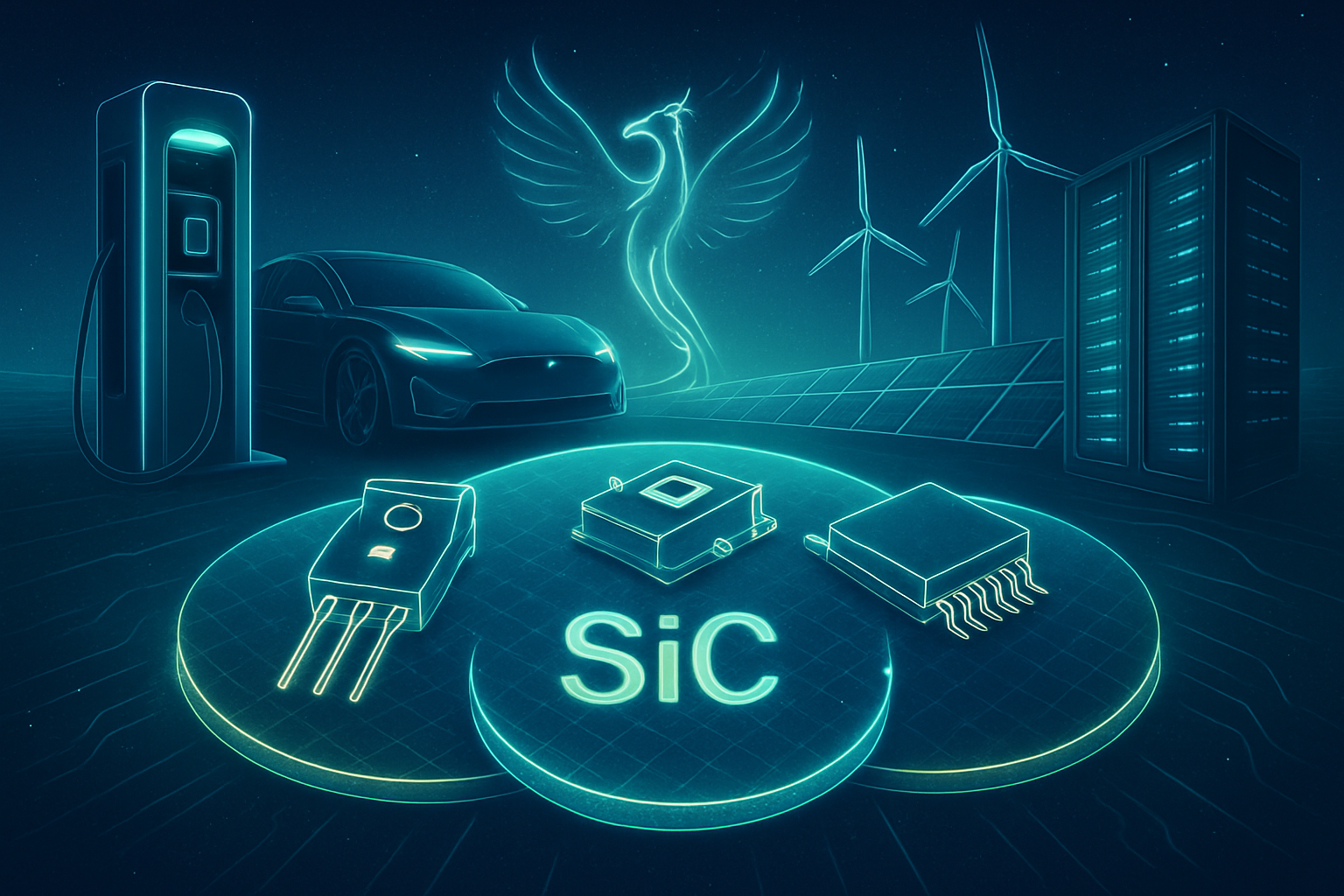
  • Wolfspeed Inc. (WOLF): A Phoenix Rising in the Silicon Carbide Era

    Wolfspeed Inc. (WOLF): A Phoenix Rising in the Silicon Carbide Era

    Date: September 30, 2025

    1. Introduction

    Wolfspeed Inc. (NASDAQ: WOLF) stands at a pivotal juncture in the semiconductor industry. As a leading American developer and manufacturer of wide-bandgap (WBG) semiconductors, primarily focusing on silicon carbide (SiC) and gallium nitride (GaN) technologies, Wolfspeed is a critical enabler of the global energy transition. Its products are foundational for high-efficiency power electronics in electric vehicles (EVs), renewable energy systems, 5G infrastructure, and advanced AI data centers. While the company has historically been a pioneer in SiC, its recent emergence from Chapter 11 bankruptcy in late September 2025 has dramatically reshaped its financial and operational landscape, marking a new chapter for this influential technology firm. This report delves into Wolfspeed's comprehensive profile, analyzing its business model, financial health, market position, and future outlook as it navigates a highly dynamic and competitive sector.

    2. Historical Background

    Wolfspeed Inc.'s journey began in July 1987 as Cree Research Inc. in Durham, North Carolina. Founded by a team of North Carolina State University (NCSU) graduates, including brothers Eric and Neal Hunter, the company's initial focus was on exploring the properties of silicon carbide (SiC) for high-performance semiconductors and light-emitting diodes (LEDs).

    Early milestones cemented Cree's reputation as an innovator: In 1989, it introduced the world's first blue LED, a breakthrough that enabled full-color displays. By 1991, Cree had released the first commercial SiC wafer. The company went public in 1993 and officially rebranded as Cree Inc. in 2000, continuing its innovation in the LED lighting sector, notably with the XR-E LED in 2006 for general illumination.

    However, under the leadership of CEO Gregg Lowe, who joined in 2017, Cree embarked on a significant strategic transformation. Facing declining profits in its traditional LED and lighting segments, the company recognized the burgeoning potential and higher profitability of its silicon carbide-focused semiconductor business, already operating under the Wolfspeed brand. This led to a series of strategic divestitures: the lighting business was sold to Ideal Industries in 2019, followed by the LED products division to SMART Global Holdings in 2021.

    Concurrently, Cree made substantial investments, including a planned $1 billion for a state-of-the-art 200mm SiC fabrication facility and a materials mega factory in Durham, N.C. The rebranding to Wolfspeed Inc. on October 4, 2021, and its stock listing transfer to the NYSE under the ticker "WOLF," formally completed this transformation. The name change signaled a clear commitment to its core wide-bandgap semiconductor business, aligning its corporate identity with its most promising and profitable segment.

    3. Business Model

    Wolfspeed Inc. operates a vertically integrated business model centered on the development, manufacturing, and sale of advanced wide-bandgap semiconductor materials and devices, primarily silicon carbide (SiC) and gallium nitride (GaN). This integration spans the entire SiC value chain, from raw material crystal growth and wafer fabrication to the manufacturing of semiconductor devices, giving the company control over quality, supply, and cost.

    Primary Revenue Sources: Revenue is primarily generated from the sale of its Power Products and Materials Products. Historically, a significant portion (around 80% in fiscal year 2023) has come from outside the United States, with Europe, China, and the U.S. being key markets.

    Key Product Lines:

    • Materials: Wolfspeed produces SiC bare and epitaxial wafers, which are foundational for many high-performance semiconductor devices. It also offers GaN on SiC materials, combining the benefits of GaN with SiC's thermal properties. The commercial launch of its 200mm SiC Materials Portfolio in September 2025 is a significant step towards scaling production.
    • Power Devices: This segment includes SiC MOSFETs, Schottky diodes, and integrated power modules. These devices are crucial for efficient energy conversion and robust power management in electric vehicle powertrains, fast charging infrastructure, renewable energy systems (solar inverters), industrial motor drives, and data center power supplies.
    • RF (Radio Frequency) Devices: Leveraging GaN technology, these products cater to high-frequency communication and radar applications, including GaN High Electron Mobility Transistors (HEMTs) and Monolithic Microwave Integrated Circuits (MMICs) for 5G infrastructure, satellite communications, and military applications. (Note: MACOM acquired Wolfspeed's RF business in August 2023, but GaN products for RF are still mentioned in some current listings, indicating ongoing supply or residual activity.)

    Services: Wolfspeed provides foundry services for GaN-on-SiC MMIC technology, offering design assistance and testing. It also offers design support through reference designs and evaluation kits to accelerate customer design cycles.

    Market Segments and Customer Base: Wolfspeed's products serve high-growth markets driven by demand for energy-efficient and high-performance solutions:

    • Automotive: A major focus, particularly for EVs, including partnerships with automakers like General Motors, Mercedes-Benz, and Jaguar Land Rover.
    • Industrial: Data centers, server power supplies, industrial motor drives, and automation.
    • Energy: Solar inverters, energy storage, and power grid technologies.
    • Communications: 5G, wireless systems, radar, and satellite communications.
    • Aerospace and Defense: Specialized, robust RF device applications.

    4. Stock Performance Overview

    Wolfspeed Inc. (WOLF) has experienced a highly volatile and ultimately transformative decade, culminating in a dramatic financial restructuring. As of September 30, 2025, the company has just emerged from Chapter 11 bankruptcy, which fundamentally reset its stock valuation and shareholder structure.

    1-Year Horizon (September 30, 2024 – September 30, 2025): The year leading up to the bankruptcy and emergence was characterized by significant declines. Prior to the restructuring, the stock had fallen over 88% year-over-year. The 52-week low was around $0.39. However, upon emerging from bankruptcy on September 29, 2025, the "new" Wolfspeed stock surged dramatically, rocketing over 1,700% in a single day, from $1.21 to $22.10, and continued to climb, reaching a new 52-week high of $32.09 on September 30, 2025. This surge, however, followed the cancellation of old shares and severe dilution for previous shareholders.

    5-Year Horizon (September 30, 2020 – September 30, 2025): This period captures Wolfspeed's peak and subsequent decline. The stock reached an all-time high of $141.87 on November 16, 2021, driven by immense investor optimism in SiC for EVs. This was followed by a substantial downward trend through 2024 and early 2025, influenced by production delays at its new factories, increasing Chinese competition, and a slowdown in EV demand, ultimately leading to the Chapter 11 filing. The current stock price, while significantly up from its pre-bankruptcy lows, remains well below its 2021 peak.

    10-Year Horizon (September 30, 2015 – September 30, 2025): Over the past decade, Wolfspeed (formerly Cree) underwent a strategic pivot, divesting its LED and lighting businesses to focus entirely on SiC and GaN. This transformation initially fueled significant growth, culminating in its 2021 high. However, the period concludes with the severe financial distress of 2025, leading to Chapter 11. While the restructuring eliminated billions in debt and reset the balance sheet, it resulted in massive dilution for long-term shareholders of the original stock. The recent stock surge reflects market optimism in the reorganized company's future, not a recovery for original investors.

    5. Financial Performance

    Wolfspeed Inc.'s financial performance as of September 30, 2025, is primarily viewed through the lens of its recent Chapter 11 emergence, which fundamentally reset its balance sheet. The company successfully exited bankruptcy on September 29, 2025, after filing for reorganization on June 30, 2025.

    Revenue Growth: For the full fiscal year 2025 (ending June 29, 2025), Wolfspeed reported revenue of approximately $758 million, a 6.1% decrease from $807 million in fiscal year 2024. Q4 FY2025 revenue was $197 million, a slight decrease year-over-year but a 6.3% sequential increase. The Mohawk Valley Fab, despite ramp-up challenges, contributed $94.1 million to Q4 FY2025 revenue, more than double the prior year, indicating future growth potential as it scales.

    Margins: Profitability remains a challenge. For Q4 FY2025, the GAAP gross margin was (13)%, and the non-GAAP gross margin was (1)%, both down from the prior year. For the full fiscal year 2025, GAAP gross margin was (16)%, significantly down from 10% in FY2024, and non-GAAP gross margin was 2%, down from 13%. These negative margins reflect significant underutilization costs associated with ramping up its new Mohawk Valley Fab. Operating margins were deeply negative, at -70.92% on a trailing twelve-month basis and -295.23% for Q4 FY2025.

    Debt Levels (Post-Restructuring): This is the most significant positive change. Wolfspeed successfully reduced its total debt by approximately 70%, from an estimated $6.5 billion to $2 billion. This also lowered annual cash interest expenses by about 60%, saving over $200 million annually, and extended debt maturities to 2030, providing crucial financial runway.

    Cash Flow: Wolfspeed has experienced substantial negative cash flow due to heavy capital expenditures for its new facilities. Q4 FY2025 operating cash flow was -$242.5 million, and free cash flow was -$454 million. For the full fiscal year 2025, free cash flow was -$1.98 billion. However, post-restructuring, the company anticipates generating $200 million of positive unlevered operating cash flow by fiscal year 2026, supported by its new self-funded business plan.

    Valuation Metrics: The restructuring dramatically impacted valuation. While some reports show market capitalization figures ranging widely post-restructuring (e.g., $189.34 million to $5.06 billion due to share cancellation and issuance), the enterprise value is approximately $3.5 billion. The Price-to-Sales (P/S) ratio is around 2.72 to 4.12. The company reported a GAAP loss per share of ($11.39) and a non-GAAP loss per share of ($3.32) for FY2025, with consensus estimates for Q1 FY2026 at -$0.62. The severe dilution of existing shareholders means previous valuation metrics are largely irrelevant for the "new" stock.

    In essence, Wolfspeed has a "cleaner balance sheet" and ample liquidity post-bankruptcy, providing a fresh start. However, the challenge remains to translate its technological leadership and manufacturing investments into sustained revenue growth and, crucially, positive gross and operating margins.

    6. Leadership and Management

    As of September 30, 2025, Wolfspeed Inc. has a significantly revamped leadership team and board of directors, largely a direct consequence of its recent emergence from Chapter 11 bankruptcy. This overhaul aims to steer the company towards renewed profitability and market leadership.

    Chief Executive Officer (CEO): Robert Feurle assumed the CEO role on May 1, 2025, replacing former CEO Gregg Lowe. Feurle brings over three decades of operational and financial leadership experience in the semiconductor industry, crucial for navigating Wolfspeed's post-restructuring phase.

    Key Executive Team Members:

    • Chief Financial Officer (CFO): Gregor van Issum was appointed CFO, effective September 1, 2025. With over 20 years in strategic finance and operational transformation in semiconductors, he is tasked with managing the company's strengthened balance sheet.
    • Chief Operating Officer (COO): Dr. David Emerson rejoined Wolfspeed in June 2025 as EVP and COO, overseeing manufacturing, procurement, and quality to accelerate time-to-market.
    • Chief Information Officer (CIO) & Senior Vice President (SVP): Priya Almelkar leads the company's technology vision and digital transformation.

    Board of Directors: Upon its emergence from Chapter 11, the Board of Directors underwent a comprehensive reconstitution. Anthony M. Abate was appointed as the new Chairman, succeeding Tom Werner. Five new experienced directors joined the board, including Mike Bokan (ex-Micron), Eric Musser (ex-Corning), Hong Q. Hou (Semtech CEO), and Aris Bolisay (Renesas VP of Finance). Mark Jensen and Paul Walsh remain on the board. This influx of new directors with extensive semiconductor, technology, and finance backgrounds is a deliberate move to enhance governance and provide fresh strategic guidance. Several former directors, including Tom Werner, stepped down.

    Strategic Vision: Wolfspeed's post-restructuring strategic vision is clear: to solidify its position as the global leader in silicon carbide technology. This involves:

    • Scaling Manufacturing: Leveraging its vertically integrated 200mm manufacturing footprint, particularly the Mohawk Valley Fab and the John Palmour Manufacturing Center in Siler City, NC, to achieve scale and cost efficiency.
    • Targeting High-Growth Markets: Aggressively capturing demand in EVs, AI data centers, industrial, and energy sectors.
    • Financial Discipline: Utilizing its de-risked balance sheet to fund innovation and expansion through a self-funded business plan, aiming for positive unlevered operating cash flow by fiscal 2026.
    • Innovation: Continuing to drive technological advancements, such as its Gen 4 SiC technology.

    Governance Reputation: The Chapter 11 filing, while a strategic financial maneuver, highlighted significant past financial distress and raised questions about governance. The comprehensive overhaul of the board and executive team, along with the reincorporation to Delaware, indicates a strong commitment to strengthening governance and instilling a more disciplined, growth-oriented culture. The company aims to restore investor confidence by demonstrating operational execution and a clear path to profitability under its new leadership.

    7. Products, Services, and Innovations

    As of September 30, 2025, Wolfspeed Inc. is at the forefront of wide-bandgap semiconductor technology, with a strong focus on silicon carbide (SiC) and gallium nitride (GaN) materials and devices. Its recent financial restructuring allows it to sharpen its focus on innovation and scaling production.

    Current Products and Services:

    • SiC Materials: Wolfspeed commercially launched its 200mm Silicon Carbide Materials Portfolio in September 2025, a critical step towards high-volume, cost-effective production. This includes SiC bare wafers and epitaxial wafers, essential substrates for advanced power and RF devices.
    • Power Devices: The portfolio includes SiC MOSFETs (e.g., Gen 3 and Gen 4), Schottky diodes, and integrated power modules. These are designed for high-efficiency energy conversion in demanding applications such as EV traction inverters, fast chargers, solar inverters, and industrial power supplies. Wolfspeed also offers bare die products for custom module designs.
    • RF Devices: Wolfspeed continues to offer GaN epitaxial layers on SiC wafers and GaN-based devices for radio-frequency applications, crucial for 5G infrastructure, radar, and satellite communications.
    • Foundry and Design Services: The company provides foundry services for GaN-on-SiC MMIC technology, offering design assistance and testing. It also supports customers with reference designs and evaluation kits to accelerate product development.

    Innovations and Innovation Pipeline:

    • Gen 4 Silicon Carbide Technology: Launched in January 2025, this platform significantly reduces power losses (up to 80% less than silicon), extending EV driving range by 10% and reducing thermal loads in AI data centers by 40%. This represents a major leap in SiC performance.
    • 200mm SiC Wafer Production: A core strategic innovation is the transition to and scaling of 200mm SiC wafer production at its Mohawk Valley Fab in New York and the John Palmour Manufacturing Center in Siler City, NC. This move from 150mm to 200mm wafers is expected to reduce manufacturing costs by 30% and improve yields, enabling greater scalability.
    • Advanced Manufacturing: Wolfspeed is committed to completing its multi-billion-dollar U.S. capacity expansion plan, creating the world's largest and most advanced 200mm SiC footprint.
    • R&D Collaborations: Partnerships with institutions like North Carolina A&T State University for joint R&D facilities underscore its commitment to developing next-generation compound semiconductors.

    R&D Investments: Wolfspeed consistently invests heavily in R&D, with reported annual investments of $254 million in 2023 and substantial capital expenditures (estimated $1.2 billion to $1.4 billion for FY2025) primarily for capacity expansion and infrastructure.

    Key Patents: Wolfspeed possesses a robust intellectual property portfolio, including 534 issued U.S. patents and over 1,000 foreign patents. Recent patent grants (e.g., for wide bandgap unipolar/bipolar transistors, edge termination structures, and power module designs in mid-2025) demonstrate its ongoing focus on improving device performance, packaging, and manufacturing processes, creating significant barriers to entry for competitors.

    Competitive Edge: Wolfspeed's competitive advantage is built on:

    • Technological Leadership: Over 35 years of SiC R&D expertise and innovations like Gen 4 SiC.
    • Vertical Integration: Full control from crystal growth to device fabrication ensures quality and supply.
    • 200mm Manufacturing Scale: Being the only U.S. player in high-volume 8-inch SiC wafer production provides a strategic advantage in cost and efficiency.
    • Strong IP: An extensive patent portfolio protects its innovations.
    • Strategic Market Positioning: Dominant market share in SiC power and RF devices, especially in EVs.
    • Financial Resilience: The recent restructuring provides financial flexibility to continue R&D and scaling.

    8. Competitive Landscape

    Wolfspeed Inc. operates in a highly competitive and rapidly evolving wide-bandgap semiconductor market. As of September 30, 2025, while it maintains technological leadership, it faces intensifying rivalry across its silicon carbide (SiC) and gallium nitride (GaN) offerings. The company's recent financial restructuring has also added a new dimension to its competitive standing.

    Primary Industry Rivals:

    • Silicon Carbide (SiC) Rivals:
      • Integrated Device Manufacturers (IDMs): Major global players like STMicroelectronics, Infineon Technologies AG, ROHM Co., Ltd., and onsemi are aggressively investing in and expanding their SiC capabilities, including transitioning to 200mm wafers. They benefit from broad product portfolios and strong customer relationships.
      • SiC Substrate Manufacturers: While Wolfspeed is a leader, it faces growing competition from CoorsTek, II-VI Advanced Materials/Coherent, Inc., SiCrystal GmbH, and emerging Chinese players like SICC and TanKeBlue, who are rapidly gaining market share with competitive pricing.
      • Other Notables: Fuji Electric, General Electric, and Toshiba also have a presence in the SiC market.
    • Gallium Nitride (GaN) Rivals:
      • Power and RF GaN Specialists: Competitors include Infineon Technologies (which acquired GaN Systems), Qorvo, MACOM Technology Solutions, Texas Instruments, NXP Semiconductors, Efficient Power Conversion (EPC), and Navitas Semiconductor.
      • RF Specific Competitors: Ampleon, BOWEI, Mitsubishi, and Sumitomo are also active in the RF device space, offering GaN as well as silicon and GaAs alternatives.

    Market Share:

    • Silicon Carbide (SiC): Wolfspeed has historically been a leader in SiC wafers, holding a 62% market share as of February 2025. However, its share in the SiC substrate market was estimated at 33.7% in 2024, facing erosion from Chinese vendors. In SiC power semiconductors, Wolfspeed is a significant player, with its power SiC devices accounting for over 50% of its revenue in 2024 and ranking globally at No. 4. It maintains over 30% of the global EV semiconductor supply chain.
    • Gallium Nitride (GaN): Wolfspeed is recognized as a key player, alongside other major semiconductor firms, in the GaN market, particularly for GaN-on-SiC power semiconductors targeting EVs, 5G, and defense.

    Competitive Strengths:

    • Technological Leadership: A pioneer in SiC technology with over 35 years of R&D, Wolfspeed is the only company manufacturing SiC devices on an 8-inch platform in high volume as of 2025. Its Gen 4 SiC technology offers significant performance advantages.
    • Vertical Integration: Control over the entire SiC value chain, from crystal growth to device processing, ensures quality, supply, and optimized performance.
    • Reliability and Performance: Strong reputation for high-performance and reliable RF power products, backed by low failure rates.
    • Strategic Partnerships and Government Accreditation: A U.S. Department of Defense Category 1A Trusted Foundry, highlighting its security and robustness.
    • Strong Patent Portfolio: A robust IP portfolio creates high barriers to entry.
    • Order Backlog: A substantial $12 billion backlog provides multi-year revenue visibility.

    Competitive Weaknesses:

    • Financial Restructuring Impact: While beneficial for long-term stability, the Chapter 11 process resulted in severe dilution for previous shareholders and highlighted past financial distress.
    • Profitability Challenges: Wolfspeed has struggled with negative gross and operating margins, partly due to massive investments in new facilities and underutilization costs during the ramp-up phase.
    • Slowing EV Demand and Market Conditions: A slowdown in EV demand in 2024, coupled with broader semiconductor inventory corrections, has impacted device revenue growth.
    • Intensifying Competition and Price Pressure: Rapid expansion of SiC capacity, particularly from Chinese players offering lower prices, has led to significant price erosion (e.g., a 30% drop in SiC wafer prices in 2024). Well-funded IDMs are also aggressively competing.
    • Manufacturing Complexities and Delays: The ramp-up of the 8-inch Mohawk Valley Fab has taken longer than expected, impacting production and revenue.

    In conclusion, Wolfspeed's future competitiveness hinges on its ability to leverage its technological leadership and 200mm manufacturing scale to improve profitability, effectively manage costs, and navigate the aggressive pricing and market share battles, particularly against well-capitalized IDMs and rapidly emerging Chinese SiC producers.

    9. Industry and Market Trends

    The wide-bandgap (WBG) semiconductor sector, encompassing silicon carbide (SiC) and gallium nitride (GaN), is a high-growth industry driven by global megatrends. As of September 30, 2025, the market is valued at approximately $1.68 billion to $2.44 billion, with projections for rapid expansion to over $8 billion by the early 2030s, fueled by superior performance over traditional silicon.

    Key Industry and Market Trends:

    • SiC Dominance in High Power: SiC is particularly dominant in high-power applications, projected to account for over 54% of the WBG market by 2025. The industry is rapidly transitioning to 8-inch (200mm) SiC wafers to achieve economies of scale and lower unit costs, with Wolfspeed leading this shift.
    • GaN Growth in High Frequency: GaN is experiencing substantial growth, favored for high switching frequencies, reduced power losses, and smaller device sizes, making it ideal for energy-efficient power electronics.

    Macro Drivers:

    • Electric Vehicles (EVs): The most significant driver for SiC, especially for inverters, onboard chargers, and DC-DC converters in advanced 800V EV architectures. EV adoption is expected to exceed 25% of new vehicle sales in 2025, driving substantial demand for SiC and GaN to improve efficiency and range.
    • Renewable Energy Systems: SiC and GaN enhance the efficiency of solar inverters, wind turbines, and energy storage solutions, reducing transmission losses and improving power density.
    • 5G and Telecommunications: The global deployment of 5G infrastructure fuels demand for GaN-based RF components due to their high-frequency operation and power density.
    • Data Centers and AI Infrastructure: Growing demand for energy-efficient power electronics in data centers, particularly for high-power AI racks, creates a substantial market for WBG semiconductors.
    • Industrial Automation and Consumer Electronics: Increasing adoption in industrial power supplies, motor drives, and fast chargers.

    Supply Chain Dynamics:

    • Capacity Expansion and Vertical Integration: Major players are heavily investing in production capacity. The IDM model (internal wafer capacity management) is becoming dominant, driven by automotive customer requirements and geopolitical uncertainties.
    • 8-inch Wafer Transition: The industry's rapid move to 200mm SiC wafers is crucial for cost-effectiveness and scale. Wolfspeed is a frontrunner, being the only company manufacturing 8-inch SiC devices in high volume.
    • Oversupply and Price Pressures (SiC): A capacity boom in SiC wafer fabrication, particularly from Chinese players, has led to oversupply and significant price decreases (e.g., a 30% drop in SiC wafer prices in 2024). This, paradoxically, accelerates SiC adoption by making it more affordable.
    • Geopolitical and Raw Material Challenges: Elevated raw material costs and manufacturing complexities are ongoing challenges. Geopolitical tensions, particularly U.S.-China trade policies and tariffs, impact supply chains, raising costs and potentially constraining supply for critical applications. China's aggressive investments aim for it to control 53% of global SiC manufacturing by 2027.

    Cyclical Effects:

    • Demand-Supply Mismatches: Long lead times for capacity additions can create imbalances.
    • EV Market Slowdown: A temporary slowdown in EV sales in 2024 led to cautious reassessments and inventory adjustments among SiC manufacturers.
    • Macroeconomic Headwinds: Broader economic uncertainties can dampen spending across semiconductor applications.

    Wolfspeed, post-restructuring, is strategically focused on SiC for high-growth markets. Its financial stability, vertical integration, and 200mm manufacturing leadership position it to leverage these trends. However, it must navigate the SiC oversupply, intense price competition, and demand fluctuations to achieve sustained profitability.

    10. Risks and Challenges

    Wolfspeed Inc. (WOLF), having recently emerged from Chapter 11 bankruptcy in late September 2025, faces a complex array of risks and challenges. While the financial restructuring addressed its crippling debt, operational, regulatory, and market risks persist and are now intertwined with the company's "fresh start."

    Lingering Impacts and New Risks from Chapter 11 Emergence:

    • Shareholder Dilution: The most immediate impact is the severe dilution of previous common stockholders, who received only 3-5% of the reorganized company's new equity. This reflects a near-total loss for prior investors and could impact future retail investor confidence.
    • Reputational Scrutiny: While framed as a strategic move, the bankruptcy filing highlighted severe financial distress and raises questions about past management, potentially affecting supplier and customer relationships, though Wolfspeed emphasizes continuity.
    • Operational Continuity: Despite the restructuring, ensuring seamless operational continuity and meeting customer commitments post-bankruptcy is crucial.

    Operational Risks:

    • Manufacturing Ramp-up (SiC): The ramp-up of Wolfspeed's 200mm Mohawk Valley Fab has experienced delays (12-18 months) and significant underutilization costs. Risks associated with this ramp-up include further delays, cost overruns, equipment qualification issues, and lower-than-expected yields, which could hinder production targets and profitability.
    • Supply Chain Resilience: While Wolfspeed aims for a U.S.-based supply chain, global semiconductor shortages and geopolitical tensions can still impact raw material availability (e.g., quartz sand, silicon, carbon) and costs. Reliance on specific vendors or complex global logistics remains a risk.
    • Technology Execution: Successfully combining R&D innovations with high-volume, cost-effective production at scale is a complex challenge, particularly with advanced wide-bandband materials.

    Regulatory Risks:

    • Government Funding Uncertainty: Wolfspeed initially anticipated significant U.S. CHIPS Act funding ($750 million direct funding), but this ultimately did not materialize, contributing to its bankruptcy. While the company now expects $600 million in cash tax refunds under the Act, future policy shifts or changes in administration could still impact the availability of government support.
    • Trade Policies and Tariffs: The potential for new U.S. trade policies, particularly under a possible Trump administration, including auto tariffs, could dampen EV momentum, directly impacting Wolfspeed's largest growth market. Such policies can create market uncertainty, distort pricing, and influence supply chain decisions.
    • Environmental and Safety Compliance: Operating large-scale semiconductor fabs requires strict adherence to environmental and safety regulations, with potential for fines or operational disruptions from non-compliance.

    Potential Controversies:

    • Past Financial Management: The need for Chapter 11, despite being a technology leader, raises questions about prior financial strategies, cash burn, and debt management.
    • Investor Confidence: The severe dilution for existing shareholders could lead to lingering skepticism, especially among retail investors, despite the post-bankruptcy stock surge.

    Market Risks:

    • Intense Competition and Pricing Pressures: The SiC and GaN markets are rapidly attracting new entrants and significant investment. Wolfspeed faces aggressive competition from well-capitalized IDMs (STMicroelectronics, Infineon, onsemi) and, crucially, from Chinese manufacturers (SICC, TanKeBlue) who are rapidly expanding capacity and offering lower-priced SiC wafers, leading to significant price erosion (e.g., 30% drop in SiC wafer prices in 2024). This puts immense pressure on Wolfspeed's margins.
    • Demand Volatility in Key Markets:
      • Electric Vehicle (EV) Market: A slowdown in EV adoption in the U.S. and Europe has already impacted Wolfspeed's revenue. Macroeconomic headwinds, high interest rates, and tariff-induced uncertainty could further dampen EV demand, directly affecting Wolfspeed as a key supplier.
      • Artificial Intelligence (AI) Market: While an opportunity, the AI market's rapid evolution and potential for sudden shifts in technology or demand could also introduce volatility.
    • Market Oversupply: The rapid expansion of SiC production capacity across the industry, combined with a potentially slower-than-anticipated increase in demand, could lead to a market glut, further exacerbating pricing pressures.

    Wolfspeed's ability to navigate these multifaceted risks, particularly successfully executing its manufacturing ramp-up, managing competitive pricing pressures, and adapting to dynamic market demands, will be critical for its long-term success post-restructuring.

    11. Opportunities and Catalysts

    Wolfspeed Inc. (WOLF), having successfully emerged from Chapter 11 bankruptcy in late September 2025, is strategically positioned to capitalize on significant opportunities within the rapidly expanding wide-bandgap semiconductor market. Its de-risked balance sheet and focus on silicon carbide (SiC) technology provide a foundation for substantial growth.

    Impact of Chapter 11 Emergence and Restructuring:
    The successful restructuring is the most significant catalyst. It reduced total debt by approximately 70% ($4.6 billion), extended debt maturities to 2030, and lowered annual cash interest expenses by 60%. This dramatically improves financial stability and liquidity, allowing Wolfspeed to reinvest in operations and growth initiatives without the burden of excessive leverage. The company now operates with a self-funded business plan, aiming for positive unlevered operating cash flow.

    Key Opportunities and Growth Levers:

    1. Dominance in Silicon Carbide Technology: Wolfspeed is a recognized pioneer and global leader in SiC materials and devices. SiC's superior efficiency, power density, and thermal performance make it indispensable for next-generation power electronics, ensuring sustained long-term demand.
    2. Vertically Integrated 200mm Manufacturing: Wolfspeed is uniquely positioned as the only company manufacturing SiC devices on an 8-inch (200mm) platform in high volume as of 2025. Its multi-billion-dollar Mohawk Valley Fab and the John Palmour Manufacturing Center in Siler City, NC, are crucial for achieving economies of scale, improving yields, and reducing costs. The commercial launch of its 200mm SiC Materials Portfolio in September 2025 further accelerates this transition.
    3. Secure U.S.-Based Supply Chain: Emphasizing a secure and scalable U.S.-based supply chain mitigates geopolitical risks and appeals to customers prioritizing supply chain resilience. This domestic focus is reinforced by government support.
    4. Technological Innovation (Gen 4 MOSFETs): The launch of its Gen 4 MOSFET technology platform in January 2025 provides a significant performance advantage, offering up to 80% fewer power losses for EVs (extending range by 10%) and a 40% reduction in thermal loads for AI data centers. This continuous innovation strengthens its competitive moat.
    5. Substantial Order Backlog: A robust $12 billion order backlog provides multi-year revenue visibility and demonstrates strong customer commitments, offering a stable revenue base for future growth.

    Expansion into New Markets:

    1. Electric Vehicles (EVs) and E-mobility: The EV market remains the largest growth driver for SiC, with projections of 70% of the $11-14 billion SiC device market by 2030. Wolfspeed holds over 30% of the global EV semiconductor supply chain, making it a critical partner for automakers.
    2. Artificial Intelligence (AI) Infrastructure: The escalating demand for high-efficiency power solutions in AI data centers is a rapidly emerging market for SiC, where it can significantly reduce thermal loads and energy consumption.
    3. Industrial and Energy Applications: Continued growth in renewable energy systems (solar, wind, energy storage) and broader industrial power conversion systems will drive demand for high-voltage and high-efficiency SiC devices.
    4. Broader 200mm Adoption: As 200mm SiC becomes the industry standard, Wolfspeed's first-mover advantage and capacity will enable it to capture a larger share of the materials and device markets.

    Potential for Mergers and Acquisitions (M&A):
    While not explicitly pursuing M&A for acquisitions, Wolfspeed's strengthened balance sheet and strategic importance could make it an attractive target for larger semiconductor firms seeking to bolster their SiC capabilities. Alternatively, its improved financial health could enable strategic partnerships or smaller, targeted acquisitions to enhance its technology or market reach in the future.

    Near-Term Events and Catalysts (as of September 30, 2025):

    • Chapter 11 Emergence: The successful completion of financial restructuring in late September 2025 provides a "fresh start" and removes a major overhang for investors.
    • Commercial Launch of 200mm SiC Materials: The commercial availability of 200mm SiC wafers and epitaxy in September 2025 is a key operational milestone for scaling production.
    • Mohawk Valley Fab Ramp-up: Continued progress and increased utilization at the 8-inch Mohawk Valley Fab will be a critical driver for improving margins and revenue.
    • Siler City Facility Production Start: The John Palmour Manufacturing Center is expected to begin 200mm SiC wafer production by early 2025, further boosting capacity.
    • Gen 4 MOSFET Technology Platform: The introduction of the Gen 4 MOSFET platform in January 2025 provides a roadmap for high-performance, application-optimized products throughout 2025 and early 2026.
    • Strategic Leadership: The new CEO, CFO, and revamped board bring fresh expertise and a renewed focus on execution.

    Wolfspeed's future is largely dependent on its ability to execute its ambitious manufacturing ramp-up and leverage its technological lead in a rapidly expanding market. The recent restructuring has cleared a path for it to fully focus on these opportunities.

    12. Investor Sentiment and Analyst Coverage

    Investor sentiment and analyst coverage for Wolfspeed Inc. (WOLF) as of September 30, 2025, are profoundly shaped by its recent emergence from Chapter 11 bankruptcy. This event has created a highly volatile and complex picture, with a stark contrast between the fate of previous shareholders and the prospects of the reorganized entity.

    Chapter 11 Emergence and Restructuring Impact:
    Wolfspeed successfully completed its financial restructuring process and emerged from Chapter 11 protection on September 29, 2025. This expedited restructuring aimed to address financial challenges stemming from economic uncertainties and weak market demand, which led the company to file for bankruptcy in June 2025.

    Key outcomes of the restructuring include:

    • Debt Reduction: Wolfspeed reduced its total debt by approximately 70%, lowering it from an estimated $6.5 billion to $2 billion.
    • Extended Maturities & Lower Interest: Debt maturities have been extended to 2030, and annual cash interest expenses are expected to decrease by roughly 60%.
    • Liquidity and Strategy: The company asserts it maintains ample liquidity and a self-funded business plan supported by free cash flow generation. It aims to leverage its vertically-integrated 200mm manufacturing footprint, backed by a secure U.S.-based supply chain, to drive sustainable growth. CEO Robert Feurle described this as "the beginning of a new era" with improved financial stability.
    • Shareholder Impact: A critical aspect of the restructuring was the cancellation of all previously issued common shares. Existing shareholders received new common stock at a steep exchange ratio, approximately 1 new share for every 120 old shares. This resulted in significant losses for legacy shareholders, who now hold only 3-5% of the new equity, with creditors owning the majority. Trading of the old stock was halted on the NYSE and is scheduled for delisting on October 10, 2025.

    Wall Street Ratings and Price Targets:
    Analyst coverage for Wolfspeed shows a mixed, but generally cautious, sentiment, with several ratings predating the full impact of the restructuring becoming clear.

    • Consensus: Across various sources, the consensus analyst rating for WOLF is generally "Hold" or "Moderate Sell." MarketBeat, based on 10 analysts, reported a "Hold" consensus as of September 26, 2025, with 4 "Sell" ratings, 2 "Hold," and 4 "Buy." Stock Analysis reported a "Hold" from 9 analysts with an average price target of $8.39 as of July 22, 2025. TipRanks, focusing on the past three months, indicated a "Moderate Sell" based on 3 analysts (0 Buy, 2 Hold, 1 Sell).
    • Price Targets: Price targets vary significantly due to the recent volatility and restructuring.
      • MarketBeat's average price target was $9.80, with a high of $20.00 and a low of $3.00, representing a forecasted downside of -69.69% from the stock's closing price of $32.34 on September 26, 2025.
      • TipRanks showed an average 12-month price target of $1.75, ranging from $1.50 to $2.00, representing a 44.63% upside from the last reported price of $1.21.
      • CoinCodex projected Wolfspeed to reach $16.48 in September 2025, with a potential return of 8.10% for investors, and an average annualized price of $17.45 in 2025.
    • Recent Specific Ratings (last three months):
      • Aria Wafelle (AI) reiterated a "Hold" rating with a $2 price target on September 26, 2025.
      • Samik Chatterjee of J.P. Morgan reiterated a "Sell" rating on September 5, 2025.
      • Christopher Rolland of Susquehanna reiterated a "Hold" rating with a $1.5 price target on August 26, 2025.
      • Vijay Rakesh of Mizuho Securities reiterated a "Sell" rating and lowered his price target from $2 to $0.61 on June 23, 2025.

    Significant Hedge Fund and Institutional Investor Moves:
    Institutional ownership data for Wolfspeed reflects shifts prior to and immediately following the Chapter 11 emergence, although detailed Q3 2025 (ending September 30) 13F filings are not fully available yet.

    • Q1 2025 Activity: Several institutional investors increased their positions in Wolfspeed during Q1 2025. Vanguard Group Inc. increased its stake by 18.8%, owning 18,913,793 shares. Primecap Management Co. CA raised its holdings by 2.2%, and Neuberger Berman Group LLC significantly increased its holdings by 72.7%.
    • Recent Filings (August 2025 reporting dates): Various funds reported holdings and changes, including Marex Group plc, GMT Capital Corp (increased by 42.9%), Engineers Gate Manager LP, Canada Pension Plan Investment Board, MIRAE ASSET GLOBAL ETFS HOLDINGS Ltd., Ilex Capital Partners UK LLP (increased by 499.1%), WINTON GROUP Ltd, Marshall Wace LLP (decreased by 59.0%), First Trust Advisors LP (decreased by 13.4%), Two Seas Capital LP, Invesco Ltd. (decreased by 98.6%), Panagora Asset Management Inc. (increased by 709.4%), and XTX Topco Ltd (increased by 4,954.1%). These figures represent positions held during the prior quarter and may not fully reflect post-bankruptcy adjustments.

    Notable Retail Investor Chatter or Sentiment:
    Retail investor sentiment saw a dramatic turnaround in late September 2025, directly correlating with the bankruptcy emergence news.

    • Shift to Bullish: On Stocktwits, retail sentiment for Wolfspeed "flipped to 'bullish' (67/100) by early Tuesday," September 30, 2025, from a "bearish" sentiment observed the day before. The message volume on the platform also surged to "extremely high" levels.
    • Stock Price Reaction: Following the news of its Chapter 11 exit, Wolfspeed shares experienced massive rallies, surging over 1,700% on Monday, September 29, and another 50% in pre-market trading on Tuesday, September 30. This brought the stock to a 52-week high of $32.09. It's crucial to understand that these percentage gains are against a very low pre-restructuring share price and largely reflect the effective "re-initialization" of the stock value post-bankruptcy. The new shares opened significantly higher than the converted value of the old shares, still leading to substantial losses for previous holders despite the surge.

    In summary, as of September 30, 2025, Wolfspeed Inc. is navigating a new chapter post-bankruptcy restructuring. While the financial overhaul has significantly reduced its debt and instilled confidence in its operational stability, the immediate investor sentiment is volatile, marked by dramatic price swings attributed to the complex share exchange process. Analyst ratings remain cautious, but retail investors, particularly those new to the "new" WOLF stock, appear to be reacting positively to the company's re-emergence and future growth prospects in silicon carbide technologies.

    13. Regulatory, Policy, and Geopolitical Factors

    Wolfspeed Inc. (WOLF) has navigated a complex landscape of regulatory, policy, and geopolitical factors as of September 30, 2025, culminating in a significant financial restructuring that has reshaped its operational foundation and strategic outlook. The company's focus on silicon carbide (SiC) technology places it at the intersection of critical government initiatives, intensifying global competition, and the accelerating worldwide push for electrification.

    Regulatory and Policy Factors:

    • Financial Restructuring and Compliance: As of September 30, 2025, Wolfspeed has successfully completed a prepackaged Chapter 11 bankruptcy restructuring process, emerging as a financially leaner company. This involved a substantial reduction of its total debt by approximately 70%, from $6.5 billion to $2 billion, and a 60% decrease in annual cash interest payments, with maturities extended to 2030. The U.S. Bankruptcy Court approved the Plan of Reorganization on September 8, 2025, and the company formally emerged from Chapter 11 protection on September 29, 2025. Current shareholders experienced significant dilution, receiving only 3-5% of the new equity. This strategic financial overhaul aims to provide Wolfspeed with the stability to focus on innovation and leverage its manufacturing capabilities. Additionally, as part of its restructuring, Wolfspeed converted its corporate domicile from North Carolina to Delaware by September 29, 2025, a move often undertaken for streamlined governance and legal flexibility, particularly during bankruptcy proceedings.
    • Government Incentives (CHIPS Act): Wolfspeed was a prominent prospective recipient of funding under the U.S. CHIPS and Science Act. In October 2024, the U.S. Department of Commerce and Wolfspeed signed a non-binding preliminary memorandum of terms (PMT) for up to $750 million in proposed direct funding. This was part of a broader expectation of accessing up to $2.5 billion in capital, including an additional $750 million from an investment group and $1 billion in cash tax refunds from the advanced manufacturing tax credit (Section 48D). The intended purpose of this funding was to support the expansion of Wolfspeed's silicon carbide manufacturing in the United States, specifically for facilities in Siler City, North Carolina, and Marcy, New York. These projects aimed to bolster domestic production of SiC for electric vehicles (EVs), AI data centers, and battery storage, aligning with U.S. economic and national security interests.
      However, as of September 30, 2025, the anticipated $750 million in direct CHIPS Act funding ultimately did not materialize. This failure was attributed to policy shifts and Wolfspeed's inability to restructure its capital in time, becoming a contributing factor to the company's bankruptcy filing. This situation has raised concerns about the reliability of government subsidies under the CHIPS Act, underscoring the necessity for robust private sector planning alongside federal support.

    Geopolitical Factors:

    • U.S.-China Relations: U.S.-China relations significantly impact Wolfspeed, primarily through intense market competition and stringent export controls.
      • Competition from Chinese Players: Wolfspeed faces substantial competitive pressure from Chinese manufacturers who are rapidly gaining market share in the low- and mid-tier EV and industrial segments. These competitors often offer lower-priced SiC wafers, with 6-inch SiC wafers from Chinese rivals reportedly selling for as little as $500 or less, compared to Wolfspeed's previous prices of $1,500. China is actively investing in and building out a vertically integrated local SiC supply chain, further intensifying the price wars and challenging Wolfspeed's market position, even in premium segments. This has been cited as a major factor contributing to Wolfspeed's financial difficulties and decline in market share.
      • U.S. Export Controls: The U.S. government has implemented and progressively tightened export controls on advanced computing and semiconductor manufacturing items to China. These measures, primarily driven by national security and foreign policy concerns, aim to restrict China's ability to develop advanced artificial intelligence (AI) and military capabilities. While Wolfspeed primarily deals in power semiconductors rather than advanced logic chips, the broader U.S.-China tech tensions and the strategic importance of semiconductors for national security inherently affect the operating environment for all U.S. semiconductor companies.
      • Section 301 Investigation: In December 2024, the U.S. initiated a Section 301 investigation specifically targeting China's mature manufacturing processes, including silicon carbide semiconductor production. This investigation could potentially lead to further U.S. restrictions, tariffs, or trade remedies, which would directly impact the competitive dynamics in the SiC market and Wolfspeed's operations.
    • Supply Chain Resilience: Wolfspeed's strategy emphasizes supply chain resilience and domestic manufacturing. The company aims to leverage its vertically integrated 200mm manufacturing footprint, underpinned by a secure and scalable U.S.-based supply chain. This approach is critical for mitigating disruptions, especially given the geopolitical climate and the reliance on a limited number of suppliers for key raw materials like quartz sand, silicon, and carbon, which are subject to price volatility. In July 2023, Wolfspeed stated its supply chain would not be impacted by China's export restrictions on gallium and germanium. However, the challenges faced by Wolfspeed, including its bankruptcy, have highlighted the vulnerabilities of relying on single-vendor supply deals for critical components, as evidenced by the impact on partners like Renesas Electronics.

    Global Push for Electrification:

    • Opportunities: Silicon carbide technology is a crucial enabler for next-generation power devices, offering superior performance in high-temperature, high-voltage, and high-frequency conditions. This makes SiC vital for electric vehicles (EVs), wind turbines, solar power systems, and other renewable energy applications. Wolfspeed, as a pioneer and leader in SiC technology, is well-positioned to capitalize on this megatrend, with its products being essential for EV powertrains, fast charging infrastructure, renewable energy systems, AI data centers, and 5G telecommunications. The long-term market for SiC power devices is projected to grow substantially, potentially reaching $9 billion to over $12 billion by the early 2030s.
    • Risks and Challenges: Despite the long-term growth prospects, Wolfspeed has faced short-term headwinds. A slower-than-expected adoption rate of EVs and a decline in EV demand contributed to Wolfspeed's financial struggles and lower revenues. Furthermore, the rapid expansion of SiC wafer and chip capacity across the industry, coupled with the weakened EV demand, has led to concerns about a potential SiC market glut in 2025. This oversupply, alongside intense price competition from Chinese manufacturers, puts additional pressure on pricing and profitability for SiC suppliers like Wolfspeed.

    In conclusion, as of September 30, 2025, Wolfspeed Inc. has undertaken a crucial financial restructuring to improve its stability amidst a challenging operational environment. While government incentives like the CHIPS Act were initially anticipated to provide substantial support for domestic manufacturing expansion, the expected direct funding did not materialize. The company continues to grapple with intense price competition from Chinese SiC manufacturers and operates within a broader geopolitical context of U.S.-China tech tensions and export controls. Nevertheless, the overarching global push for electrification remains a fundamental long-term growth driver, offering significant opportunities for Wolfspeed's core SiC technology, provided it can execute its leaner strategy and navigate market fluctuations and competitive pressures.

    14. Outlook and Scenarios

    Wolfspeed Inc. (WOLF) is charting a new course following its successful emergence from Chapter 11 bankruptcy on September 29, 2025. This pivotal event has significantly de-risked its balance sheet, but the company's future hinges on its ability to translate technological leadership and expanded manufacturing capacity into sustained profitability in a highly competitive market.

    Short-Term Projections (Next 6-12 Months):
    The immediate focus is on operational execution and achieving positive cash flow. Wolfspeed enters this period with improved financial stability, significantly reduced debt, and ample liquidity. The crucial task is to rapidly ramp up its 200mm Mohawk Valley Fab, which has faced past delays and underutilization costs. While revenue declined in FY2025, analysts project a strong recovery in FY2026, driven by the Power segment. The stock is likely to remain volatile as the market assesses the effectiveness of the restructuring and the company's execution. New leadership, including CEO Robert Feurle and CFO Gregor van Issum, will be under intense scrutiny to deliver on revised financial targets.

    Long-Term Projections (Beyond 12 Months):
    Long-term success depends on Wolfspeed's ability to solidify its leadership in the SiC market and achieve consistent profitability. The secular growth trends in EVs, renewable energy, AI, and industrial applications provide a robust backdrop for SiC demand, projected to reach $11-14 billion by 2030. Wolfspeed's first-mover advantage and investments in 200mm production are key to capturing this market. The ultimate long-term goal is to leverage its reduced debt burden to fund growth internally and generate sustainable positive free cash flow, with projections aiming for $1.1 billion in revenue and $160.2 million in earnings by 2028.

    Bull Case Scenarios and Key Drivers:

    • Mohawk Valley Fab Success: The smooth and rapid ramp-up of the 200mm Mohawk Valley Fab to full utilization is the most critical driver. This would significantly improve gross margins and cash flow by reducing underutilization costs and increasing output of high-demand SiC materials and devices.
    • Accelerated SiC Adoption: Faster-than-expected adoption of silicon carbide in key end markets, particularly EVs, AI data centers, and renewable energy, would drive substantial demand for Wolfspeed's products. Silicon carbide offers superior efficiency, higher power density, and better thermal performance compared to traditional silicon, making it ideal for these applications.
    • New Design Wins and Partnerships: Securing major long-term supply agreements and design wins with leading automotive OEMs and industrial customers would provide stable revenue streams and validate its technology. Wolfspeed already has a $12 billion backlog providing multi-year revenue visibility.
    • Technological Leadership: Continued innovation and expansion of its 4th-generation product platform, including advanced 200mm silicon carbide wafers and power modules, could reinforce its competitive moat against rivals.
    • CHIPS Act Funding: Potential for significant funding under the U.S. CHIPS Act could provide a lifeline and further support its ambitious manufacturing expansion plans, although past reports suggested uncertainty regarding its distribution.

    Bear Case Scenarios and Key Drivers:

    • Execution Risks and Delays: Continued operational challenges, production delays, or inefficiencies at the Mohawk Valley Fab could lead to persistent negative gross margins and cash burn, eroding investor confidence despite the debt reduction. Building out new fabs and scaling production is incredibly difficult.
    • Intense Competition: The silicon carbide market is attracting significant investment from established players and new entrants, particularly from Chinese companies which controlled nearly 40% of the SiC substrate market as of 2025, up from 10% in 2021. Increased competition could lead to pricing pressure and market share erosion.
    • Slower EV Adoption/Market Slowdown: A slowdown in the electric vehicle market or broader economic downturn could dampen demand for silicon carbide, impacting Wolfspeed's revenue growth and profitability.
    • Further Shareholder Dilution: If the company faces unforeseen financial difficulties or requires additional capital, further equity offerings could lead to additional dilution for existing shareholders, impacting stock value.
    • Failure to Achieve Profitability: Despite debt reduction, if Wolfspeed cannot achieve sustainable positive free cash flow and profitability within a reasonable timeframe, it will remain a high-risk investment. Historically, the company has struggled with negative return on invested capital.

    Strategic Pivots Post-Restructuring:
    The Chapter 11 emergence itself represents the most significant strategic pivot for Wolfspeed. Other key strategic directions include:

    • De-leveraging and Financial Health: The primary pivot is the dramatic reduction of debt and interest expense, allowing the company to operate with greater financial flexibility and focus on growth rather than debt servicing.
    • Focus on 200mm Silicon Carbide: A reinforced commitment to its 200mm vertically integrated manufacturing footprint. This is a crucial technological and cost advantage that the company aims to fully leverage.
    • Leadership and Governance Overhaul: The appointment of a new CEO, CFO, and a revamped board of directors signals a shift towards disciplined operational execution and a renewed commitment to innovation.
    • Market Prioritization: Capturing rising demand in specific high-growth end markets such as AI, EVs, industrial, and energy, where silicon carbide offers distinct performance advantages.
    • Self-Funded Growth Plan: Shifting towards a business plan supported by free cash flow generation to fund future growth, rather than relying heavily on external financing, which was a challenge previously.
    • Delaware Reincorporation: The move to Delaware is a strategic legal and governance decision that may streamline future corporate actions and potentially attract institutional investment.

    In summary, Wolfspeed Inc. stands at a pivotal juncture. While the Chapter 11 restructuring has addressed its crippling debt, the company now faces the challenge of translating its technological leadership and expanded capacity into sustainable profitability in a competitive and evolving market. The coming months will be crucial in demonstrating its ability to execute its revised strategic plan.

    15. Conclusion

    Wolfspeed Inc. (WOLF) has navigated a tumultuous period, emerging from Chapter 11 bankruptcy on September 29, 2025, with a significantly de-risked balance sheet and a renewed strategic focus. This marks a critical turning point for the company, which remains a technological pioneer in the rapidly expanding wide-bandgap semiconductor market, particularly in silicon carbide (SiC).

    Summary of Key Findings:

    • Strategic Transformation Complete: Wolfspeed's journey from Cree Inc. to a pure-play SiC leader is complete, underpinned by its vertically integrated business model spanning SiC materials and power devices.
    • Financial Reset: The Chapter 11 restructuring successfully slashed approximately 70% of its debt, extended maturities, and significantly reduced interest expenses. This provides crucial financial stability and liquidity, though at the severe cost of substantial dilution for previous common shareholders.
    • Technological Leadership: Wolfspeed maintains a strong competitive edge through its advanced Gen 4 SiC technology, robust patent portfolio, and pioneering role in 200mm SiC wafer manufacturing, being the only company currently producing SiC devices on this platform in high volume.
    • High-Growth Markets: The company is strategically positioned to capitalize on megatrends like electric vehicles (EVs), AI infrastructure, renewable energy, and industrial electrification, all of which require high-efficiency SiC power solutions. It boasts a substantial $12 billion order backlog.
    • Operational Challenges Persist: Despite its technological prowess, Wolfspeed faces ongoing operational risks related to the ramp-up of its new Mohawk Valley Fab, which has experienced delays and underutilization costs, impacting profitability.
    • Intense Competition: The SiC market is becoming increasingly competitive, with aggressive expansion from well-funded IDMs and lower-cost Chinese manufacturers exerting significant pricing pressure.
    • New Leadership: A new CEO, CFO, and a reconstituted board of directors are in place, tasked with guiding the company through its next phase of growth and achieving sustainable profitability.

    Balanced Perspective:

    The bull case for Wolfspeed hinges on its ability to execute flawlessly on its 200mm manufacturing scale-up, rapidly improve yields and margins at its new fabs, and capitalize on the accelerating adoption of SiC across its target markets. If it can translate its technological leadership and substantial backlog into consistent positive free cash flow, the "new" Wolfspeed could be a compelling long-term growth story.

    However, the bear case highlights significant execution risks, including potential further delays in fab ramp-up, persistent negative margins due to competitive pricing and underutilization, and a potential slowdown in EV demand. The intensity of competition, particularly from lower-cost Chinese players, remains a formidable challenge that could erode market share and profitability if not effectively managed.

    What Investors Should Watch:

    Investors should closely monitor several key indicators:

    1. Mohawk Valley Fab Ramp-up Progress: Quarterly updates on capacity utilization, yield rates, and cost reductions at the 200mm Mohawk Valley Fab will be crucial.
    2. Gross Margin Improvement: A sustained trend towards positive and expanding gross margins will signal successful operational execution and cost control.
    3. Cash Flow Generation: The company's ability to achieve and maintain positive unlevered operating cash flow by fiscal 2026, as targeted, is paramount for self-funded growth.
    4. New Design Wins and Backlog Conversion: Continued securing of significant customer commitments and efficient conversion of its existing backlog into revenue.
    5. Competitive Dynamics: How Wolfspeed responds to pricing pressures and market share shifts, especially from Chinese rivals and other IDMs.
    6. EV Market Trends: The pace of global EV adoption and any shifts in demand will directly impact Wolfspeed's largest revenue driver.

    Wolfspeed Inc. has been given a second chance through its financial restructuring. While the road ahead is challenging, its foundational technology and strategic positioning in critical growth markets offer substantial long-term potential. The success of its new leadership in executing its revised strategy will be the ultimate determinant of its future as a dominant force in the silicon carbide era.


    This content is intended for informational purposes only and is not financial advice