General Motors (GM) (NYSE: GM), an American multinational automotive manufacturing company headquartered in Detroit, Michigan, continues to be a pivotal player in the global automotive landscape as of October 3, 2025. Founded in 1908 by William C. Durant, GM has a rich history as one of the world's largest motor-vehicle manufacturers, consistently leading the U.S. automotive market in total sales.
GM's core operations revolve around its four major automobile brands: Chevrolet, Buick, GMC, and Cadillac. Beyond these, the company holds interests in Chinese brands Baojun and Wuling through SAIC-GM-Wuling Automobile. Its diverse portfolio also includes a defense vehicles division, the vehicle safety and information services provider OnStar, the auto parts company ACDelco, and a financial lending arm, GM Financial. GM operates manufacturing plants in eight countries and maintains a significant global presence across North America, Asia Pacific, the Middle East and Africa, and South America. The company's current structure was established in 2009 following a Chapter 11 reorganization.
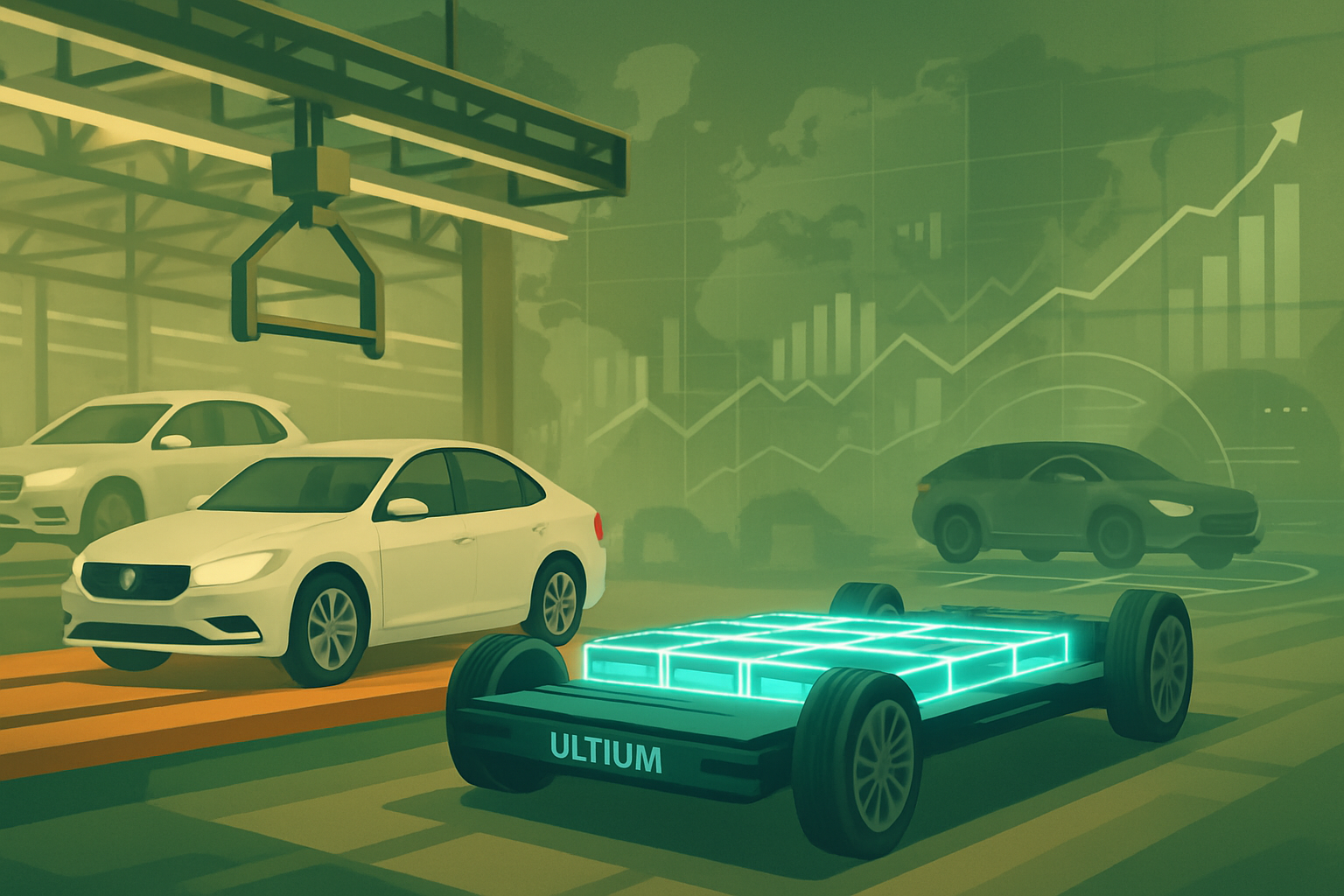
As of Q3 2025, General Motors is demonstrating strong market relevance through robust sales performance and strategic advancements in electrification and autonomous driving. GM reported an 8% increase in overall U.S. sales for Q3 2025, reaching 710,347 units, outpacing the estimated 4% growth across the auto industry in the first half of 2025. This growth was fueled by strong demand across both its traditional gasoline-powered vehicles, particularly full-size trucks and SUVs, and its expanding electric vehicle (EV) lineup. Chevrolet remains GM's top-selling brand, with the Silverado truck showing robust sales. GM has solidified its position as the second-leading EV seller in the U.S. behind Tesla, surpassing Ford. EV sales more than doubled in Q2 2025, increasing 111% year-over-year, securing a 15% share of the U.S. EV market. In Q3 2025, GM set a new quarterly record with 66,501 EVs sold in the U.S., a 105% surge year-to-date from 2024 to over 144,000 units. The Chevrolet Equinox EV emerged as GM's top-selling EV in Q3 2025, becoming the best-selling non-Tesla EV in the U.S. with over 25,000 units sold. Cadillac's luxury EVs, including the LYRIQ, OPTIQ, and VISTIQ, also performed strongly. GM's EV strategy is centered around its flexible and scalable Ultium battery platform, designed to significantly reduce production costs and achieve price parity with gasoline-powered vehicles.
General Motors remains a significant focus for investors and the broader automotive industry due to several interconnected factors: its strategic EV pivot and profitability, a balanced portfolio and financial strength, advancements in autonomous driving, innovation and capital allocation, and its navigation of global market dynamics. GM's commitment to innovation is evident in its substantial capital expenditures, projected at $10 billion to $11 billion for 2025, including investments in battery joint ventures. The company is also exploring AI applications to streamline design, manufacturing, marketing, and sales, aiming for increased efficiencies.
2. Historical Background
General Motors boasts a rich and complex history, marked by ambitious founding, rapid expansion through acquisitions, significant organizational transformations, and resilience in the face of numerous challenges, including a historic bankruptcy.
Founding Story and Early Milestones
General Motors was founded on September 16, 1908, in Flint, Michigan, by William C. Durant. Durant, a successful carriage manufacturer with his Durant-Dort Carriage Company, initially acquired the Buick Motor Company in 1904. His vision for GM was to create a holding company that would consolidate the burgeoning, yet fragmented, automobile market.
In its very early years, GM embarked on an aggressive acquisition spree. Durant's first acquisition for the new holding company was Olds Motor Works in November 1908. This was quickly followed by the acquisition of other prominent names in the automotive industry in 1909, including Cadillac, Elmore, Welch, Cartercar, Oakland (the predecessor of Pontiac), the Rapid Motor Vehicle Company, and the Reliance Motor Car Company (predecessor of GMC). Notably, Durant even attempted to acquire Ford Motor Company in 1909, but the deal fell through due to a lack of bank financing.
Early innovations also marked GM's path. In 1911, Charles F. Kettering's Dayton Engineering Laboratories Company (DELCO) (which would later join GM) and Henry M. Leland invented the first electric self-starter, which was commercially introduced in the 1912 Cadillac and quickly made the hand crank obsolete.
Durant's aggressive expansion, however, led to over-leveraging, and he was forced out of the company by bankers in 1910. Undeterred, he co-founded the Chevrolet Motor Company with race car driver Louis Chevrolet in 1911. By 1916, Chevrolet's success allowed Durant to regain a controlling interest in GM, bringing Chevrolet into the corporate fold by 1918. In 1919, GM also established the General Motors Acceptance Corporation (GMAC) to provide financing for automotive customers, further solidifying its financial infrastructure.
Key Transformations and Major Acquisitions
The 1920s brought a significant transformation under the leadership of Alfred P. Sloan Jr., who replaced Durant after his second removal in 1920. Sloan reorganized GM from a collection of disparate units into a cohesive enterprise with a decentralized management structure, creating five main automotive divisions: Cadillac, Buick, Pontiac, Oldsmobile, and Chevrolet. This structure balanced divisional autonomy with central corporate oversight and became a model for large industrial companies. Sloan also pioneered the concept of annual style changes for car models and strengthened GM's sales organization.
GM's growth continued internationally with the acquisition of Vauxhall Motors of England in 1925, an 80% stake in Germany's Adam Opel in 1929 (increased to 100% by 1931), and Holden of Australia in 1931. Domestically, GM also acquired the Fisher Body Company in 1926, allowing for vertical integration of body production. By 1929, GM had surpassed Ford to become the leading American passenger-car manufacturer, and by 1931, it was the world's largest manufacturer of motor vehicles.
Following World War II, GM experienced substantial growth, becoming one of the world's largest employers and introducing iconic vehicles like the Corvette in 1953. However, by the 1980s and 1990s, GM began to face increasing challenges from foreign automakers like Toyota and Honda, struggling with quality problems, vehicle defects, and a slow response to changing consumer demands due to its unwieldy bureaucracy. This led to further restructuring efforts in the early 1990s under chairman Jack Smith, involving workforce reductions, cost-cutting, and the elimination of some product lines, including Oldsmobile.
In the late 1990s, GM made high-profile international acquisitions, such as Swedish automaker Saab and a stake in Japanese automaker Isuzu, as part of a global expansion strategy. The company also diversified and later divested non-automotive assets; for instance, it sold a 51% stake in GMAC (renamed Ally Financial) in 2006. More recently, in 2016, GM acquired Cruise Automation, a self-driving technology company, for $1.0 billion, signaling a strategic shift towards future mobility. Further recent acquisitions include Tooling & Equipment International in November 2023 and ALGOLiON in June 2023.
Major Challenges
General Motors has weathered several significant storms throughout its history:
- Early Financial Troubles: William C. Durant's aggressive acquisitions led to substantial debt, causing him to lose control of GM twice, first in 1910 and again in 1920.
- Stagnation and Competition (1980s-2000s): Decades of dominance led to an internal bureaucracy that was slow to adapt to evolving consumer preferences and the rise of fuel-efficient and reliable vehicles from foreign competitors. This resulted in declining market share and quality issues. GM also lost its position as the world's largest automaker to Toyota in 2008.
- 2009 Bankruptcy and Bailout: The most profound challenge came during the 2008 Global Financial Crisis. GM faced a severe cash crisis, declining sales, unsustainable legacy costs (including healthcare and pension obligations), and a bloated product portfolio. To avoid collapse, GM filed for Chapter 11 bankruptcy protection on June 1, 2009, making it the largest industrial bankruptcy in U.S. history. The U.S. government provided $51 billion in financial assistance, enabling a rapid restructuring. This process involved closing unprofitable plants, discontinuing underperforming brands (such as Pontiac, Hummer, and Saturn), and renegotiating labor contracts. A "New GM" emerged from bankruptcy on July 10, 2009, with a leaner cost structure and a renewed focus.
- Transition to Electric Vehicles (2020s): In recent years, GM has faced new challenges in its transition to electric vehicles (EVs). The company reported losses exceeding $7 billion in its EV division in 2024, attributed to high upfront costs for research, development, and manufacturing. Shifting consumer preferences, concerns about range anxiety, charging infrastructure, and competition from new players like Tesla and Chinese EV manufacturers pose significant hurdles. GM is also balancing its traditional internal combustion engine (ICE) vehicle production with EV manufacturing, while navigating potential profit declines due to slower EV growth.
- Global Market and Trade Pressures: GM faces ongoing challenges in international markets, including losses in China and the significant impact of tariffs on its profitability, given that nearly half of its U.S.-sold vehicles are assembled outside the country. The company has also contended with disruptions like cyberattacks affecting its dealership networks.
Despite these challenges, General Motors has demonstrated a consistent ability to adapt and transform, remaining a major force in the global automotive industry for over a century.
3. Business Model
GM's business model is centered on a diverse portfolio of vehicle brands catering to various market segments, supported by strong manufacturing capabilities, an extensive dealer network, and substantial investments in research and development (R&D). The company is strategically shifting towards an all-electric future, aiming for carbon neutrality by 2040, though it has adjusted some of its aggressive EV transition plans in response to market realities. Concurrently, GM is increasing its focus on software monetization and connected services as new, high-margin revenue streams.
Revenue Sources
GM's primary revenue source continues to be the sale of vehicles across its various brands (Chevrolet, GMC, Buick, Cadillac). In 2024, GM reported substantial revenue of $187.44 billion, with North America being its strongest market. While the traditional automotive sales remain core, the company is actively developing and expanding alternative revenue streams:
- Electric Vehicles (EVs): GM is making significant investments in EVs, with a goal to increase EV wholesale volumes to 300,000 units in 2025, up from 189,000 in 2024. The company expects EV profitability to improve by $2 billion to $4 billion in 2025 due to scale efficiencies and cost reductions.
- Software and Services: This is a growing area of focus, with GM aiming for software to become a $10+ billion revenue line by the late 2020s. The company plans to double its revenue from new software platforms and connectivity by 2030, adding 50 new in-vehicle digital services by 2026. Deferred revenue from OnStar and Super Cruise stood at $4 billion at the end of Q2 2025.
- GM Financial: This segment provides financial lending services and contributes a steady profit stream to GM.
- Defense Vehicles: GM also has a division that produces military vehicles for the United States government and military.
Product Lines
GM's diverse product portfolio includes both gasoline-powered and electric vehicles across various types and price points.
- Brands: GM's core brands in North America are Chevrolet, Buick, GMC, and Cadillac. Globally, GM also holds interests in Chinese brands Baojun and Wuling via SAIC-GM-Wuling Automobile.
- Vehicle Types (Internal Combustion Engine – ICE): The company offers a wide range of vehicles including economy cars, trucks, SUVs, and luxury vehicles. Full-size pickups (Chevrolet Silverado, GMC Sierra) and full-size SUVs (Chevrolet Tahoe, Suburban, Cadillac Escalade) remain major profit drivers, especially in the U.S. market.
- Vehicle Types (Electric Vehicles – EVs): GM is rapidly expanding its EV portfolio, utilizing its Ultium battery platform. Key EV models in 2025 include:
- Chevrolet: Equinox EV, Blazer EV, Silverado EV, BrightDrop commercial delivery vans.
- Cadillac: Lyriq, Escalade IQ, Optiq, Vistiq.
- GMC: Hummer EV Pickup, Hummer EV SUV, Sierra EV.
- Buick is also developing a broad electrification strategy, particularly for the Chinese market.
The company is focusing on delivering EVs across different segments, from affordable compact models to high-end luxury SUVs.
Services
GM offers a suite of services designed to enhance vehicle ownership and provide recurring revenue.
- OnStar: Starting with the 2025 model year, all new Buick, Cadillac, Chevrolet, and GMC vehicles come standard with select OnStar features at no additional cost for eight years. This package, now known as "OnStar Basics" (formerly OnStar One Essentials), includes Automatic Crash Response, remote vehicle commands (lock/unlock, start, location, diagnostics via smartphone app), and voice assistance features (Amazon Alexa, Google Assistant, and Waze). Cadillac customers receive three free years of premium OnStar services, which can include unlimited Wi-Fi data and additional in-vehicle apps.
- GM Financial: Provides automotive financing and leasing options for GM customers and dealerships.
- GM Insurance (formerly OnStar Insurance): Rebranded in January 2024, this telematics-based insurance offering is expanding its market presence.
- Super Cruise: GM's advanced hands-free driver-assistance system is expanding its availability across more models, with an expectation of 600,000 users by the end of 2025. Super Cruise is projected to generate over $200 million in revenue in 2025, with an anticipated doubling by 2026.
- GM Energy: This business offers solutions like the PowerShift Charger and V2H (Vehicle-to-Home) Enablement Kit, supporting the broader EV ecosystem.
Market Segments
GM targets a broad range of market segments globally, though it has scaled back some international operations to focus on key regions.
- Geographic Focus: North America remains GM's strongest market, contributing significantly to its adjusted earnings. The company is also actively working to restore profitability in its Chinese joint ventures, particularly for the Buick and Cadillac brands, despite scaling back Chevrolet's presence in China.
- Vehicle Segments: GM's diverse brand portfolio allows it to cater to various segments, from mass-market economy vehicles (Chevrolet) to luxury (Cadillac) and professional-grade trucks and SUVs (GMC).
- EV Market: GM is strategically positioning its EVs across multiple price points and segments, from affordable compact EVs like the Chevrolet Equinox EV to high-end luxury SUVs such as the Cadillac Escalade IQ. Chevrolet is a leading EV brand in the U.S., and Cadillac holds a significant position in the luxury EV segment.
- Commercial Market: BrightDrop offers electric commercial delivery vans, targeting the logistics and delivery segment.
Customer Base
GM aims to attract a diverse customer base through its multi-brand, multi-segment, and multi-price point strategy.
- Traditional Buyers: The company maintains a strong base of customers for its full-size pickups and SUVs, which have been top sellers for decades.
- EV Adopters: GM is actively targeting environmentally conscious consumers and those interested in new technologies with its expanding EV lineup. A significant portion of Chevrolet EV buyers, up to 60%, are new to the brand, indicating successful "conquest sales."
- Luxury Segment: Cadillac appeals to customers seeking high-end luxury vehicles, with models like the Lyriq and Escalade IQ leading in the luxury EV and SUV categories.
- Commercial Customers: BrightDrop targets businesses in the logistics and delivery sectors with its electric van offerings.
- Connected Services Users: GM's focus on OnStar and Super Cruise aims to engage customers who value vehicle safety, connectivity, and advanced driver-assistance features, with a growing number of active monthly users.
4. Stock Performance Overview
General Motors (GM) (NYSE: GM) stock has demonstrated varied performance across different time horizons leading up to October 3, 2025, influenced by strategic shifts towards electrification, global economic factors, and trade policies.
As of October 2, 2025, GM's closing stock price was $59.36. On October 3, 2025, GM opened at $59.42.
1-Year Time Horizon (October 2024 – October 2025)
Over the past 12 months, General Motors stock has seen a significant increase.
- Performance: GM's stock price increased by 32.58% or 33.85% (total return). Some reports indicate a 37.42% return. The year-to-date return as of October 2, 2025, was 11.54% or 12.36% (total return).
- Notable Price Movements: The 52-week low was $41.60 on April 7, 2025, and the 52-week high was $62.14 on September 29, 2025. The stock traded around $45.19 in May 2025.
- Significant Events:
- Tariffs: In early May 2025, GM lowered its financial outlook for 2025 due to new tariffs imposed by the U.S. administration on the automotive sector, estimating costs between $4 billion and $5 billion. GM intended to offset at least 30% of this impact. This tariff uncertainty remained a headwind.
- EV Sales & Strategy: GM reported its highest quarterly EV sales ever in Q3 2025, selling 66,501 EVs in the U.S., more than doubling sales from the prior year quarter. The Equinox EV was a top seller, and Cadillac EVs also saw high demand. GM solidified its position as the second-leading EV seller in the U.S. behind Tesla.
- Earnings and Guidance: GM reported Q2 2025 earnings per share (EPS) of $2.53, beating consensus estimates, with revenue of $47.12 billion. However, revenue was down 1.8% year-over-year. The company's Q4 2024 earnings call provided stronger guidance for 2025, including net income in the $11.2 billion–$12.5 billion range and diluted EPS of $11–$12. Despite some downward revisions in analyst EPS forecasts for Q3 and Q4 2025, the stock continued to expand multiples. GM's Q3 2025 earnings are expected on October 21, 2025.
- Analyst Sentiment & Buybacks: General Motors received a "Moderate Buy" consensus recommendation from twenty-one brokerages, with an average 12-month target price of $63.16. Several firms raised their price targets in September 2025. GM has also been actively repurchasing shares, spending $7.73 billion on buybacks in the last twelve months and reducing outstanding shares.
- Comparison to Benchmarks: GM outperformed the S&P 500 over the past 12 months, with a return of +31% compared to the S&P 500's +16% growth. Another source shows GM with a 37.42% 1-year return compared to SPY's 17.52%.
5-Year Time Horizon (October 2020 – October 2025)
General Motors has shown substantial growth over the past five years.
- Performance: GM's stock has returned 113.6% between October 1, 2020, and October 1, 2025. The 5-year total return is 101.57% or a 95.06% increase. Five years ago, around October 2, 2020, the stock traded at approximately $30.46. The average annual return (CAGR) for the 5-year period was 15.79%.
- Notable Price Movements: GM reached its all-time high closing price of $63.55 on January 4, 2022.
- Significant Events:
- Post-Pandemic Recovery and Supply Chain: This period saw the automotive industry navigate the impacts of the COVID-19 pandemic, including supply chain disruptions (e.g., semiconductor shortages) and subsequent recovery in demand.
- Accelerated EV Transition: GM significantly ramped up its commitment and investments in electric vehicles, including the development of its Ultium battery platform and the introduction of new EV models like the GMC Hummer EV, Cadillac LYRIQ, Chevrolet Silverado EV, and Equinox/Blazer EVs. By 2022-2023, GM's EV production delivered over 400,000 vehicles.
- Autonomous Driving: Investments in its Cruise LLC subsidiary for robotaxis and advanced driver-assistance systems (ADAS) continued to be a focus, with expectations of a new revenue stream from the Uber partnership commencing in 2026. GM announced exiting the robotaxi business, which is expected to save $1 billion annually.
- Comparison to Benchmarks: Over the past 5 years, GM's annualized return was 15.73%, slightly underperforming SPY's 16.22% annualized return.
10-Year Time Horizon (October 2015 – October 2025)
Over the past decade, GM's stock performance reflects a period of significant strategic transformations.
- Performance: The 10-year total return for GM was 134.51%. GM's annualized return over the past 10 years was 9.19% or 9.70% (CAGR). In comparison, the S&P 500 (SPY) yielded a higher 14.99% annualized return over the same period, indicating GM underperformed the broader market.
- Notable Price Movements: In 2015, GM's average stock price was $26.99. It experienced a significant drop in 2020 (low of $16.24) at the onset of the pandemic, followed by a strong recovery culminating in its all-time high in early 2022. The stock closed 2024 at $52.82, up significantly from its 2023 close of $35.25.
- Significant Events:
- Divestiture of Opel-Vauxhall: In 2017, GM sold its Opel-Vauxhall operations to PSA Groupe SA, resulting in a $6.2 billion hit and a $7.3 billion tax asset write-down. Despite the immediate loss, shedding these European operations, which had been unprofitable, was seen positively by shareholders and resulted in a stock price boost.
- Shift to EVs and Autonomous Technology: This decade saw GM progressively commit to an all-electric future, investing heavily in EV production, battery technology (Ultium Drive system), and autonomous vehicles.
- China Operations: From 2015 to 2024, GM saw its stock appreciate 51.04%, while its revenues climbed 38.07% and net income fell by -37.5%. In late 2024, GM disclosed expected impairments related to its equity interest in China joint ventures and restructuring plans in China, totaling several billion dollars, indicating challenges in that market.
- Union Negotiations and Labor Costs: Employee costs have been a recurring factor, with projections for higher costs in 2025.
- Comparison to Benchmarks: Over 10 years, GM's annualized return of 9.19% significantly underperformed the S&P 500's (SPY) 14.99% annualized return.
5. Financial Performance
General Motors (GM) has reported a mixed financial performance in its latest earnings reports, with the second quarter of 2025 showing a decrease in net income and revenue compared to the previous year, significantly impacted by automotive tariffs. However, the company maintained its full-year financial guidance and demonstrated strong sales in certain segments and regions.
Recent Earnings Reports (Q2 2025 – period ending June 30, 2025):
- Revenue: GM's revenue for Q2 2025 was $47.1 billion, a 1.8% decrease from $47.969 billion in Q2 2024. However, total net sales and revenue grew 1.77% year-over-year in Q2 2025.
- Net Income: Net income attributable to stockholders for Q2 2025 was $1.9 billion, a substantial 35.4% decrease from $2.9 billion in Q2 2024. This decline was largely attributed to a $1.1 billion impact from new automotive tariffs enacted by President Trump.
- Earnings Per Share (EPS): Diluted EPS for Q2 2025 was $1.91, down 25.1% from $2.55 in Q2 2024. Adjusted diluted EPS was $2.53, beating the consensus estimate of $2.52.
- EBIT-adjusted: EBIT-adjusted (Earnings Before Interest and Taxes, adjusted) decreased by 31.6% to $3.0 billion in Q2 2025 from $4.438 billion in Q2 2024. Operating income specifically declined to $2.1 billion from $3.9 billion in the prior year.
- GM Financial: GM's captive finance subsidiary, GM Financial, reported a revenue increase to $4.2 billion from $3.9 billion in Q2 2024, demonstrating strong growth. Its EBT-adjusted was $704 million, a 14.4% decrease from $822 million in Q2 2024.
Revenue Growth:
- In Q1 2025, GM's revenue increased by 2% year-over-year to $44.02 billion.
- For the full year 2024, GM's annual revenue was $187.44 billion, representing a 9.1% growth year-over-year.
- U.S. sales for GM jumped 17% in Q1 2025, and increased 7.3% in Q2 2025 to 746,588 units, with all four U.S. brands showing sales growth. Overall U.S. sales in the first half of 2025 grew by 12%.
- GM also reported an 8% increase in Q3 2025 U.S. vehicle sales compared to the same quarter last year, driven by both electric and gas-powered vehicles. The company set a new EV sales record in Q3 2025 with 66,501 deliveries, marking a 105% increase in year-to-date EV sales from 2024 to over 144,000 units.
Profit Margins:
- The net income margin for Q2 2025 was 4.0%, down from 6.1% in Q2 2024.
- EBIT-adjusted margin for Q2 2025 was 6.4%, a decrease from 9.3% in Q2 2024.
- General Motors' net profit margin as of June 30, 2025, was 2.54%.
- The gross profit margin for Q2 2025 sequentially deteriorated to 16.62%.
- North America remained GM's strongest market, contributing $14.53 billion in adjusted earnings in 2024, with a 9.2% profit margin. However, Q2 2025 EBIT-adjusted margin in North America was 6.1%, below the target of approximately 10%, primarily due to tariff headwinds.
Debt Levels:
- As of December 2024, General Motors had $129.3 billion of debt, an increase from $121.3 billion over one year. With $22.0 billion in cash, its net debt was $107.3 billion.
- The company's total debt (carrying amount) reached $129.732 billion in 2024, an approximately 18% increase from 2020.
- Long-term debt for the quarter ending June 30, 2025, was $97.417 billion, a 10.28% increase year-over-year.
- General Motors reported $135.73 billion in debt for its fiscal quarter ending June 2025.
- GM retired $750 million in debt in December 2024 and plans to address $1.75 billion maturing in 2025.
Cash Flow:
- Automotive operating cash flow for Q2 2025 was $4.653 billion, a 39.7% decrease from $7.713 billion in Q2 2024.
- Adjusted automotive free cash flow for Q2 2025 was $2.827 billion, a 46.6% decrease from $5.297 billion in Q2 2024. This downturn was largely driven by tariff payments.
- For the full year 2024, automotive operating cash flow was $23.9 billion. Adjusted automotive free cash flow for 2024 was $14.0 billion.
- General Motors' free cash flow for the fiscal year 2025 decreased by $2.30 billion, and operating cash flow was $6.91 billion.
Key Valuation Metrics (as of around October 2025 unless otherwise specified):
- P/E Ratio: GM has a trailing price-to-earnings ratio of 9.39 and a forward price-to-earnings ratio of 5.18. It trades at approximately 6X forward earnings, which is a discount compared to the Zacks Automotive-Domestic Industry average of 13X.
- Price/Sales (P/S): GM trades at a price-to-sales ratio of 0.3X.
- Enterprise Value/EBITDA: 10.6x.
- Enterprise Value/Revenue: 0.9x.
- PEG Ratio: 1.29.
- Market Capitalization: Approximately $56.15 billion.
- Fair Value: According to one valuation narrative, GM is currently trading close to its estimated fair value of $58.28. Another discounted cash flow model suggests GM could be undervalued.
Forward-Looking Financial Guidance (for full-year 2025):
General Motors has maintained its full-year financial guidance for 2025 despite the Q2 impacts of tariffs. The company provided the following outlook:
- Net Income Attributable to Stockholders: $11.2 billion – $12.5 billion.
- EBIT-adjusted: Initially $13.7 billion – $15.7 billion, but later revised downward due to tariff impacts to $10 billion – $12.5 billion.
- Automotive Operating Cash Flow: $21.0 billion – $24.0 billion.
- Adjusted Automotive Free Cash Flow: Initially $11.0 billion – $13.0 billion, but later revised to $7.5 billion – $10.0 billion due to tariffs.
- EPS-diluted: $11.00 – $12.00.
- EPS-diluted-adjusted: $11.00 – $12.00.
- Capital Expenditures: Expected in the range of $10.0 billion – $11.0 billion, including investments in battery cell manufacturing joint ventures.
- GM's 2025 financial guidance assumes a stable policy environment in North America and an estimated benefit of $0.5 billion from reduced year-over-year expenses at Cruise. The company projects that EV profitability will improve by $2 billion to $4 billion, driven by scale efficiencies, cost reductions, and greater fixed-cost absorption.
GM's Q3 2025 earnings are scheduled to be released on Tuesday, October 21, 2025.
6. Leadership and Management
General Motors (GM) is led by a seasoned executive team and an experienced Board of Directors, driving a strategic vision focused on an all-electric, autonomous, and software-defined future. The company has recently undergone management changes, particularly within its board and North American operations, and maintains a strong corporate governance reputation.
Leadership Team: CEO and Key Executives
As of October 3, 2025, Mary T. Barra serves as the Chair and Chief Executive Officer of General Motors. She has held the CEO position since January 2014 and was elected Chair of the Board in 2016, making her the first female head of a 'Big Three' automaker. Barra's tenure has been marked by a significant push towards electrification and autonomous driving, as well as navigating challenges like the faulty ignition switch crisis early in her leadership. She is recognized for fostering an inclusive corporate culture and advocating for diversity.
GM's key executive team includes:
- Mark Reuss – President: Oversees global product development, quality, and performance. He has been instrumental in GM's transformation into an electric-first company.
- Paul Jacobson – Executive Vice President & Chief Financial Officer: Joined GM in December 2020 and is responsible for all financial operations, including supporting investments in EVs and autonomous technology.
- Marissa West – Senior Vice President & President, GM North America: Appointed to this role effective January 2, 2024. She previously led GM Canada, focusing on electrification and innovation.
- Shilpan Amin – Senior Vice President & President, GM International: Leads GM's operations outside North America, focusing on global growth and profitability.
- Daniel E. Berce – Senior Vice President & President & CEO, GM Financial: Manages GM's financial services arm.
- Craig Glidden – Executive Vice President, Legal, Policy, Cybersecurity & Corporate Secretary: Oversees GM's legal affairs and corporate governance.
- Alan Wexler – Senior Vice President, Strategy & Innovation.
- Lin-Hua Wu – Senior Vice President & Chief Communications Officer.
- Arden Hoffman – Senior Vice President & Chief People Officer.
- Rory Harvey – Executive Vice President and President, Global Markets.
Board of Directors
The General Motors Board of Directors comprises 11 members as of June 3, 2025, bringing diverse expertise to guide the company.
Current members include:
- Mary T. Barra – Chair and CEO.
- Patricia F. Russo – Independent Lead Director. She continues in this role to ensure continuity during periods of transition.
- Wesley G. Bush – Chair of the Audit Committee, succeeding Thomas Schoewe in 2025.
- Joanne C. Crevoiserat.
- Joseph Jimenez.
- Alfred F. Kelly, Jr. – Elected to the Board in 2025, bringing financial, technology, and customer insights.
- Jonathan McNeill.
- Judith A. Miscik – Assumed the role of Chair of the Risk and Cybersecurity Committee from Linda Gooden at the start of 2025.
- Mark A. Tatum.
- Jan E. Tighe.
- Devin N. Wenig – Leads the Executive Compensation Committee, transitioning from a previous role in 2025.
Linda Gooden and Thomas Schoewe did not stand for re-election to the Board in 2025, after years of distinguished service. The Board has been active in talent development and succession planning, reflecting the evolving needs of the business, particularly in technology.
Strategic Vision
GM's strategic vision, championed by its leadership, is centered on creating a world with "zero crashes, zero emissions, and zero congestion." This vision is being realized through several key initiatives:
- Electrification: GM has committed to investing $35 billion in electric and autonomous vehicles through 2025, with a bold goal to sell only zero-emission vehicles by 2035. The company plans to launch 30 new electric vehicles globally by 2025, underpinned by its flexible Ultium battery platform. In the second half of 2024, GM became the number two seller of EVs in North America.
- Autonomous Driving: While GM acquired robotaxi company Cruise in 2016, a shift occurred in 2024. After a series of high-profile collisions, GM stopped funding Cruise's robotaxi development and combined the GM and Cruise technical teams. The focus is now on developing advanced driver-assistance systems (ADAS) for personal vehicles, aiming for a less capital-intensive path to fully autonomous technology. GM is investing heavily in safety technologies like ADAS and vehicle-to-everything (V2X) communication.
- Software and Services: GM is transforming into a technology-driven mobility provider with a strong emphasis on software-defined vehicles and recurring revenue streams. The Ultifi platform is central to this, enabling over-the-air updates and feature subscriptions. The company projects $20-25 billion in annual software and services revenue by the end of the decade, with subscription models like Super Cruise and OnStar being actively rolled out. By 2025, GM expects 600,000 Super Cruise users.
- Domestic Manufacturing: The company is strategically expanding domestic manufacturing with a $4 billion investment in U.S. plants, aimed at reducing vulnerability to tariffs and boosting high-margin SUV/pickup production.
- Sustainability: GM has set a goal to become carbon neutral by 2040 and prioritizes diversity, equity, and inclusion, aiming to be the most inclusive company globally.
Recent Management Changes
Several notable management and board changes have occurred or taken effect recently:
- Marissa West's Appointment: Effective January 2, 2024, Marissa West was appointed Senior Vice President and President, North America.
- Board Refreshment: At the 2025 Annual Meeting, Alfred F. Kelly, Jr. was elected to the Board, while Linda Gooden and Thomas Schoewe did not seek re-election. Leadership roles within board committees also saw transitions, with Wesley Bush chairing the Audit Committee, Judith Miscik leading the Risk and Cybersecurity Committee, and Devin Wenig heading the Executive Compensation Committee.
- Cruise Restructuring: In 2024, GM ceased funding the Cruise robotaxi business and integrated the technical teams to focus on ADAS development for personal vehicles.
- Workforce Adjustments: In 2024, GM implemented a new performance review system that identifies the bottom 5% of performers for termination. This also led to production-related layoffs, such as 1,695 workers at the Fairfax Assembly Plant in late 2024 and early 2025, as part of the shift towards EV production.
Corporate Governance Reputation
General Motors has a strong reputation for corporate governance. For the sixth consecutive year, including 2025 and 2024, GM was named one of the World's Most Ethical Companies by Ethisphere, standing out as the only automaker on the list. This recognition highlights GM's commitment to ethical leadership, robust ethics programs, and strong corporate governance.
The company operates under transparent Corporate Governance Guidelines that define roles, responsibilities, board structure, director independence, and evaluation processes. Its code of business conduct, "Winning with Integrity," applies to all employees, executives, and board members, emphasizing high legal and ethical standards in all operations.
At the 2025 Annual Meeting of Shareholders on June 3, 2025, shareholders approved an amended Certificate of Incorporation to enhance legal protections for officers and clarify governance. All board nominees were re-elected, and Ernst & Young LLP was ratified as the independent auditor for 2025. An advisory vote on executive compensation also passed, indicating shareholder alignment with management remuneration. A shareholder proposal regarding reporting supply chain greenhouse gas emissions reduction strategies was, however, rejected. Historically, CEO Mary Barra has been credited with implementing new policies to encourage transparency and problem reporting after the 2014 ignition switch crisis, fostering a change in company culture. The Board of Directors is noted for its active involvement in current operations.
7. Products, Services, and Innovations
General Motors (GM) continues to evolve its product portfolio, services, and technological advancements as of October 3, 2025, with a strong focus on electrification, autonomous driving, and advanced manufacturing.
Current Product Offerings
GM's diverse product lineup for the 2025 model year spans across its key brands: Chevrolet, GMC, Cadillac, and Buick, encompassing a mix of internal combustion engine (ICE) vehicles, electric vehicles (EVs), and hybrid options. The company is particularly expanding its EV offerings built on the Ultium platform.
- Chevrolet: The 2025 lineup includes SUVs like the Trax, Trailblazer, redesigned Equinox, Blazer, Traverse, Tahoe, and Suburban. EV models such as the Equinox EV, Blazer EV, and Silverado EV are prominent. The performance-oriented Corvette ZR1 is also a key offering, boasting a 5.5L LT7 twin-turbo V8 engine with 850 horsepower. The Malibu sedan continues to be offered.
- GMC: The 2025 GMC lineup features trucks like the Canyon, Sierra 1500, Sierra 2500 HD, and Sierra 3500 HD, alongside SUVs such as the Terrain, Acadia, Yukon, and Yukon XL. The electric Hummer EV Pickup and Hummer EV SUV are also central to GMC's offerings, with the Hummer EV SUV featuring CrabWalk mode and Extract mode for enhanced off-road capability. GMC's Denali trim continues to represent the peak of luxury, offering advanced features and premium interiors.
- Cadillac: Cadillac's 2025 models include luxury SUVs like the XT4, XT5, XT6, Escalade, and the high-performance Escalade-V. The brand is heavily investing in EVs with models such as the LYRIQ, the new OPTIQ (entry point to its EV lineup), and the Escalade IQ (an all-electric version of the iconic SUV). Performance sedans like the CT4, CT4-V, CT5, and CT5-V, including the powerful CT5-V Blackwing with a 6.2L supercharged V8, are also part of the 2025 portfolio. The 2026 VISTIQ, a three-row luxury EV SUV, is anticipated to launch in early 2025.
- Buick: For 2025, Buick offers SUVs like the Envision, Encore GX, Envista, and a redesigned Enclave. The brand is also showcasing its future electric direction with the Electra, an all-electric flagship vehicle. The 2025 Enclave introduces a 30-inch ultrawide digital display and available Super Cruise hands-free driving technology.
- BrightDrop: General Motors' commercial EV brand, BrightDrop, offers the Zevo 400 and Zevo 600 all-electric delivery vans for 2025, designed for efficiency, sustainability, and built on GM's battery platform.
Services
GM integrates a range of services to enhance vehicle ownership and operations:
- OnStar: For the 2025 model year, GM is making several popular OnStar features standard across all new Buick, Cadillac, Chevrolet, and GMC vehicles for eight years. This package, now known as "OnStar Basics" (formerly OnStar One Essentials), includes Automatic Crash Response, remote vehicle commands (lock/unlock, start, location, diagnostics via smartphone app), and voice assistance features (Amazon Alexa, Google Assistant, and Waze). Cadillac customers receive three free years of premium OnStar services, which can include unlimited Wi-Fi data and additional in-vehicle apps.
- GM Financial: While not specifically detailed for 2025 updates in the provided context, GM Financial continues to provide automotive financing and leasing services for GM customers and dealers.
- Fleet Management: BrightDrop vehicles come with built-in fleet management tools for monitoring routes, charging, and diagnostics, complementing their commercial electric vehicle offerings.
Innovation Pipelines and Research & Development (R&D) Efforts
GM is heavily invested in R&D, focusing on key areas that will shape the future of mobility.
- Autonomous Driving Technology: Despite the shutdown of its Cruise robotaxi business in 2024, GM is renewing its push into autonomous vehicle (AV) development, now primarily focused on personal-use driverless cars rather than robotaxis. Sterling Anderson, former Tesla Autopilot chief, joined GM in 2025 to lead this effort, aiming for "hands-free, eyes-free" driving with a human in the vehicle, with an ultimate goal of fully driverless (SAE Level 5) capability. GM is actively collecting data for self-driving technology using Lidar-equipped human-driven vehicles. The Super Cruise hands-free driving system, already available in select models, has also been officially introduced in the Middle East.
- Battery Technology (Ultium Platform): GM's Ultium battery platform is central to its EV strategy. The company is advancing battery chemistry, with plans to introduce low-cost Lithium Iron Phosphate (LFP) battery technology into the market by late 2027, manufactured at its Ultium Cells plant in Spring Hill, Tennessee. GM also announced a collaboration with CATL on a 6C ultra-fast charging LFP battery, planned for use starting in 2025 in a newly upgraded Ultium Energy quasi-900V high-voltage battery architecture, capable of adding over 200 km (124 miles) of range in 5 minutes of charging. They are also exploring Lithium Manganese Rich (LMR) chemistry and working towards cobalt-free battery designs to reduce costs and reliance on scarce materials. The Ultium platform's modular design allows for versatile cell arrangement, maximizing energy capacity and enabling easier module replacement.
- Manufacturing Innovation: GM is integrating Artificial Intelligence (AI) into its manufacturing facilities in 2025 to boost safety, quality, and efficiency. Key initiatives include creating "digital twins" (virtual representations of production lines for simulation and problem-solving), using AI and machine learning for rapid and accurate battery pack leak detection, and employing custom AI monitoring tools on specialized robotics for weld and paint inspection. These efforts aim to reduce ergonomic stressors for employees and improve overall manufacturing processes.
- Software-Defined Vehicles: The Ultium platform incorporates new software designed to optimize battery performance, enhance charging times, and allow for remote vehicle updates. Many 2025 GM vehicles also feature Google built-in compatibility for seamless navigation and voice assistance.
Patents
GM continues to secure patents for innovative technologies:
- Hybrid Powertrain: In May 2025, GM obtained a patent for a new hybrid propulsion system (filed October 2024). This system is designed for full electric all-wheel-drive operation, improved regenerative braking efficiency, optimized battery charging/discharging, and is adaptable for various vehicle sizes, including smaller crossovers and sedans.
- Advanced Driver-Assistance Systems (ADAS): A patent application published in September 2025 describes a system that detects objects in a vehicle's frontal blind zone, intelligently filtering out objects already visible to the driver.
- Road Condition Prediction: A patent application published in June 2025 details a system that predicts road deterioration using a network of vehicles equipped with sensors, which collect data on vibrations, suspension displacement, and visual imagery. This data is aggregated to calculate a "Road Maintenance Score" and can provide real-time alerts or rerouting suggestions.
- Battery Management and Other Technologies: Other patents granted in January 2025 include methods for dual fuel injector control, resistance estimation of high voltage battery packs during driving, vehicle headlamp designs, and systems for guiding charging units.
Competitive Edge in Technology
GM's competitive edge in technology as of October 2025 stems from several strategic advancements:
- Electrification Leadership: The Ultium platform and its continuous evolution, including the strategic shift to LFP battery technology for cost reduction and the development of ultra-fast charging capabilities (6C charging with CATL collaboration), position GM as a leader in affordable and high-performance EVs. Their target of US EV market dominance by mid-decade underscores this commitment.
- Autonomous Driving Ambition: While recalibrating after the Cruise challenges, GM's renewed focus on personal-use autonomous vehicles and investment in R&D to achieve SAE Level 5 autonomy, spearheaded by top talent, indicates a long-term commitment to leading in this space. The widespread integration of Super Cruise further strengthens its ADAS capabilities.
- Advanced Manufacturing with AI: The implementation of AI in manufacturing processes, including digital twins and advanced inspection systems, demonstrates GM's dedication to operational efficiency, quality, and safety, which can translate into competitive cost structures and product reliability.
- Connected Vehicle Ecosystem: The standardization of OnStar Basics for eight years across its 2025 lineup, coupled with features like remote commands, voice assistance, and Google built-in integration, provides a robust connected car experience, enhancing convenience and safety for customers.
- Strategic Patent Portfolio: Recent patent activity in hybrid powertrains, advanced ADAS, and predictive maintenance systems showcases GM's continuous innovation and protects its intellectual property in critical automotive technologies.
These efforts collectively demonstrate GM's comprehensive strategy to maintain and grow its competitive edge in the rapidly evolving automotive landscape.
8. Competitive Landscape
General Motors (GM) operates within a highly dynamic and competitive automotive landscape as of October 3, 2025, facing pressure from traditional rivals and emerging electric vehicle (EV) manufacturers. The company's strategic focus on electrification, autonomous driving, and high-margin trucks and SUVs positions it uniquely in the market.
Main Industry Rivals
GM's primary competitors can be categorized into several groups:
- Traditional Automotive Giants: These include global powerhouses such as Toyota, Volkswagen Group, Ford Motor Company, Stellantis (which includes brands like Chrysler, Dodge, Jeep, Ram), and Hyundai-Kia. These companies compete with GM across various vehicle segments, including cars, trucks, and SUVs, and possess significant market share, extensive global operations, and established brand recognition.
- Electric Vehicle (EV) Leaders: Tesla remains a formidable competitor in the EV market, known for its advanced technology, strong brand recognition, and charging infrastructure. Other emerging EV manufacturers like Rivian and Lucid are also targeting niche markets and pushing technological boundaries. Chinese manufacturers like BYD are also gaining significant global market share, particularly in EV adoption.
- Luxury Automakers: In the luxury segment, GM's Cadillac brand competes with established premium brands such as Mercedes-Benz Group and BMW.
Market Share in Key Segments (as of late 2024/early 2025 data and projections)
While precise market share figures for October 3, 2025, are projections, recent data and trends provide a clear picture of GM's standing:
- Overall U.S. Market Share: In 2024, GM was a dominant player in the U.S. automotive sector, holding an estimated 17.0% market share and leading U.S. sales for the second consecutive year. This represented an increase of 40 basis points from the previous year. GM expanded its overall U.S. sales by 4% in 2024, reaching 2.7 million vehicles.
- Electric Vehicles (EV): GM's EV sales have seen significant growth. In Q1 2025, GM's EV sales surged by 183% compared to Q1 2024. For the full year 2024, GM's EV sales jumped 125%, roughly doubling its market share over the year, making it the #2 seller of EVs in the U.S. in the second half of 2024. In Q3 2025, GM set a new EV sales record with 66,501 deliveries, marking a 105% increase year-over-year and solidifying its position as the second-largest EV seller in the U.S., trailing only Tesla. The Chevrolet Equinox EV is notably the best-selling non-Tesla EV in the U.S.. Tesla, while still dominant in EV sales, saw its U.S. market share fall to 3.8% in 2024 from 4.2% in 2023, and its sales declined during 2024, though its Model Y and Model 3 still accounted for 40% of all U.S. EV sales.
- Internal Combustion Engine (ICE) Vehicles: While specific ICE market share figures are not broken out, GM's overall U.S. market leadership in 2024 indicates a strong performance in segments predominantly still served by ICE vehicles. The strategic shift towards higher-margin trucks and SUVs also implies continued strength in these traditionally ICE-dominated segments.
- Trucks: GM maintained its leadership in the full-sized pickup market for the fifth consecutive year in 2024, achieving its highest annual sales since 2007. Furthermore, GM was the top seller of full-size sport utility vehicles for an astonishing 50th straight year. The GMC brand had its best year ever in 2024, with Sierra and Canyon models recording their best years in history.
- Luxury: Cadillac had its best full-year and quarterly sales since 2016 in 2024. The Cadillac Escalade remained the #1 large luxury SUV for the 11th consecutive year. The Cadillac LYRIQ is noted as the best-selling electric mid-size luxury SUV. In Q3 2025, Cadillac boasted three models among the top 10 best-selling luxury EVs: the LYRIQ (#2), OPTIQ (#5), and VISTIQ (#6).
Analysis of Competitive Strengths and Weaknesses
Competitive Strengths:
- Diverse Brand Portfolio and Market Leadership: GM's extensive brand portfolio, including Chevrolet, Buick, GMC, and Cadillac, allows it to cater to a wide range of market segments, from mass-market to luxury. This has solidified its market leadership, particularly in North America.
- Economies of Scale and Global Presence: With significant economies of scale in manufacturing and procurement, coupled with extensive global operations, GM can reduce dependency on any single market and leverage its large production volumes for cost efficiency.
- Technological Innovation: GM is at the forefront of technological advancements, particularly with its Ultium battery platform, which is central to its EV strategy, and its investments in autonomous driving technologies through its Cruise subsidiary. It plans to have the capacity to produce over 1 million EVs annually by the end of 2025. The company also integrates advanced connectivity and safety features into its vehicles.
- Strong Brand Equity and Customer Loyalty: Brands like Chevrolet and Cadillac enjoy strong recognition and customer loyalty, especially in their key segments like trucks and luxury SUVs.
- Financial Robustness: GM has demonstrated robust financial performance, with a strong balance sheet and profitability metrics, providing the resources needed for investments in innovation and strategic shifts.
- Extensive Dealership Network: GM boasts a vast network of dealerships globally, ensuring wide distribution and service accessibility for its products.
- Strategic Focus on High-Margin Segments: GM's emphasis on higher-margin trucks and SUVs contributes significantly to its revenue and profit, reflecting adaptability to market trends.
Competitive Weaknesses:
- Dependence on North American Market: GM's significant reliance on the North American market, particularly the United States, exposes the company to regional economic fluctuations and policy changes.
- Transition Costs and Execution Challenges: The strategic shift towards EVs and autonomous vehicles requires substantial investment in R&D and infrastructure. GM has faced considerable transition costs, including those associated with its Cruise robotaxi operations. Initial launches of some EV models, like the Chevrolet Blazer EV, were plagued with software issues and recalls, indicating challenges in bringing new technologies to market smoothly.
- Brand Dilution and Product-Centric Revenue Model: While having a diverse brand portfolio is a strength, some analysts suggest it can lead to brand dilution. Furthermore, a heavy reliance on high-margin segments like SUVs and pickup trucks can expose GM to market swings if consumer preferences shift significantly.
- Labor Relations: GM has a history of challenges in labor relations, which can impact operational costs and production stability.
- Decision to Omit Smartphone Integration: The controversial decision to remove Android Auto and Apple CarPlay from its EV models has been met with significant consumer backlash, with many viewing it as a dealbreaker.
- Lack of Diversification in Product Portfolio: The discontinuation of popular sedan models like the Chevrolet Malibu, without clear replacements, highlights a potential weakness in catering to a broader consumer base that may not desire SUVs or trucks.
Overall Competitive Landscape:
GM is actively navigating a competitive environment marked by aggressive electrification by rivals and ongoing economic pressures. The company's strong position in the truck and SUV markets, combined with its rapid growth in EV sales and significant investments in future technologies, positions it as a resilient force. However, it must continue to address operational challenges in its EV rollout, manage costs associated with its strategic transformation, and respond effectively to competitive pressures and evolving consumer demands to maintain its market standing and achieve its ambitious EV targets.
9. Industry and Market Trends
General Motors (GM) is navigating a complex and dynamic automotive landscape as of October 3, 2025, influenced by significant industry, market, macroeconomic, and supply chain trends. While GM has demonstrated strong performance in certain segments, the broader environment presents both opportunities and challenges.
Key Industry and Market Trends
1. Electric Vehicle (EV) Adoption and Strategy:
GM is a prominent player in the accelerating shift towards electric vehicles. As of Q3 2025, GM set a new EV sales record with 66,501 deliveries, more than doubling its EV sales from the prior year and bringing its year-to-date total to over 144,000 units, a 105% increase from 2024. The Chevrolet Equinox EV has emerged as the best-selling non-Tesla EV in the U.S., and Cadillac has three models among the top ten luxury EVs. GM aims for its North American EV portfolio to be solidly profitable by 2025 and plans to scale EV capacity in the region to over 1 million units annually.
However, the overall EV market is experiencing shifts. While EV sales continue to gain market share in the U.S., their growth rate slowed to 10% in 2024, compared to 40% in 2023. The expiration of the $7,500 federal EV tax credit on September 30, 2025, is expected to lead to a temporary decline in EV sales in the next quarter, with executives anticipating a significant drop in EV market share through the end of 2025. This has led some OEMs to revise production plans and focus more on hybrid and plug-in hybrid vehicles due to their affordability and flexibility. GM is actively expanding its EV charging network in collaboration with partners like EVGo and IONNA.
2. Autonomous Driving (AV) Development:
After experiencing setbacks with its Cruise autonomous-vehicle business, including shuttering Cruise in 2024 and laying off employees earlier in 2025, GM is renewing its push into autonomous driving. The company is refocusing its efforts on developing autonomous cars for personal use, rather than a robotaxi service, with the ultimate goal of achieving hands-free, eyes-free driving and eventually fully driverless cars (SAE Level 5 autonomy). GM is seeking to rehire former Cruise employees and has integrated Cruise's technical teams into a single effort to advance autonomous and assisted driving, building on the progress of its Super Cruise system. This strategic realignment is expected to lower spending by over $1 billion annually after the proposed plan is completed in the first half of 2025.
3. Software-Defined Vehicles (SDVs) and Connected Car Technology:
The automotive industry is rapidly moving towards software-defined vehicles, where features and functionality are increasingly determined by software, allowing for continuous upgrades and new features throughout a vehicle's lifecycle. This trend, coupled with the integration of AI and emerging technologies, is a key factor in addressing industry challenges and evolving consumer expectations. Voice assistants are becoming more prominent in vehicles due to customization and seamless AI integration.
4. Competition and Manufacturing Flexibility:
Rising competition from cost-advantaged Chinese manufacturers, who hold a significant competitive edge, is a major pressure point for OEMs. This is driving traditional automakers to cut costs, streamline operations, and invest in advanced technologies. Flexibility in manufacturing platforms is crucial for OEMs like GM to adapt to changing market dynamics, such as the EV transition and evolving consumer preferences. Partnerships, like those between Volkswagen and Rivian for software-defined vehicle technology platforms, are becoming common to share costs and accelerate advancements.
Macro Drivers
1. Economic Growth and Consumer Demand:
The U.S. economy in 2025 is described as a "Goldilocks economy" by some, with a positive outlook and projected GDP growth of 2.6%, consistent with pre-pandemic levels. Consumer financial health is improving, which is fueling demand for vehicles. Despite this, global vehicle sales growth is forecasted to be weak, with an expected increase of just 2.7%, reaching 98.7 million units in 2025. Some forecasts predict a drop in U.S. sales to 15.4 million units due to softening demand and tariff impacts. However, others project new vehicle sales in the U.S. to hit 16.5 million units in 2025, a 4% increase from the previous year. GM itself reported strong Q3 2025 U.S. sales, up 8% year-over-year, leading the industry in overall sales and continuing to grow in both electric and gas-powered vehicles.
2. Interest Rates and Inflation:
High interest rates continue to be a significant macroeconomic factor. Auto loan rates have been elevated for several years, with average rates for new car loans around 7.6% and used cars between 10-15% as of mid-April 2025. These higher financing costs deter potential buyers and prolong ownership cycles of existing vehicles. Inflation has been a challenge, driving up material costs and consequently vehicle prices. While inflation has cooled globally and in the U.S. in 2024, there's a threat of rebound. The expectation is for interest rates to continue a slow decline in 2025, which could boost consumer buying power and demand.
3. Tariffs and Trade Policies:
The imposition of tariffs is a major concern. Recently imposed 25% tariffs on imported vehicles and upcoming tariffs on auto parts are expected to increase production costs and consumer prices by an estimated 10-15%. The incoming U.S. administration is predicted to introduce higher tariffs, particularly on goods from China, Mexico, and Canada, which could further strain global supply chains and weaken consumer demand. This situation initially sparked a short-term sales boom as consumers rushed to buy before prices surged, but the long-term forecast indicates a sales decline.
Supply Chain Issues
1. Semiconductor Shortages:
The automotive industry continues to grapple with persistent semiconductor shortages, especially for mature nodes (40 nanometers and above), which are critical for many vehicle components. This shortage has been a bottleneck in automotive production since the pandemic, leading to delays, reduced inventory, and increased costs. While some initial oversupply from previous years might temporarily affect supplier revenues through 2025, undersupply for certain devices could resurface in the second half of the year. The demand for analog chips, which are often produced at mature process nodes, is expected to increase by 23% in cars by 2026 compared to 2022.
2. Critical Component Shortages and Raw Material Costs:
Beyond semiconductors, the industry faces ongoing shortages of specialized metals and other critical components, leading to production delays and increased prices for vehicle repairs and new car purchases. Material costs have been on the rise due to inflation and supply chain disruptions. Freight delays and rising shipping costs further exacerbate these issues, increasing expenses for suppliers and ultimately consumers. Manufacturers are responding by diversifying suppliers, investing in domestic production, and building more resilient supply chains. GM itself faced a major recall of 721,000 full-size trucks and SUVs (2021-2024 models) due to manufacturing defects in crankshafts and connecting rods, highlighting the impact of component quality issues.
3. Labor Shortages and Geopolitical Instability:
Labor shortages remain a critical challenge for automotive suppliers. Geopolitical instability and potential port strikes also pose ongoing threats to the supply chain. Regulatory scrutiny on labor compliance risks, particularly concerning forced labor in the supply chain, is also increasing.
Cyclical Effects on the Automotive Industry
The automotive industry's performance is highly cyclical and sensitive to economic conditions. After a "wild ride" since the pandemic, marked by initial demand plummeting, then surging with semiconductor shortages, the market is stabilizing but facing new uncertainties.
- Sales and Production Volatility: While new vehicle production and inventories have improved substantially, providing more stability, the industry is bracing for further changes due to tariffs, interest rates, and evolving consumer behavior. Global vehicle sales growth is expected to be sluggish in 2025. However, U.S. new vehicle sales are expected to rebound in 2025, with some forecasts predicting 16.5 million units.
- Affordability Challenges: Vehicle affordability remains a significant challenge, driven by high prices, elevated interest rates, and consumer debt. However, improving consumer financial health and potentially declining interest rates could boost spending power.
- Shift in Consumer Psychology: Consumers are acting with more urgency in vehicle purchases, partly due to the potential phase-out of EV tax credits and uncertainty around interest rates, rather than waiting for prices or rates to drop further.
- Market Consolidation: Both OEM and dealer consolidation are expected to continue, reshaping the competitive landscape.
- Inventory and Incentives: Swelling inventories, reinvigorated by a restored supply chain, are expected to prompt seller incentives, which could boost sales by improving affordability. GM's brands have grown market share with consistently strong pricing and low incentives and inventory.
10. Risks and Challenges
General Motors (GM) is navigating a complex landscape of risks and challenges as of October 3, 2025, encompassing operational, regulatory, potential controversies, and market-related factors. These challenges are significantly influenced by global economic conditions, evolving trade policies, and the company's strategic pivot towards electric vehicles (EVs).
Operational Risks
GM faces several critical operational risks that could impact its production, profitability, and reputation:
- Recalls and Quality Control Issues: The company has been plagued by a series of significant recalls. These include a recall of 23,700 Chevrolet Equinox EVs due to a pedestrian alert sound issue, 25,000 Corvette Z06/ZR1 models for fuel-spillage fire risks, and a substantial recall of nearly 600,000 trucks and SUVs equipped with V8 engines due to dangerous defects in connecting rod and crankshaft components. These engine failures can occur without warning, raising serious safety concerns and leading to consumer complaints and class-action lawsuits. Such widespread quality issues suggest systemic problems within GM's manufacturing and engineering processes, potentially eroding consumer trust and overwhelming service departments.
- Supply Chain Disruptions and Parts Shortages: Layoffs at GM's Wentzville and Kansas plants have been attributed to parts shortages, particularly impacting EV production. These disruptions can hinder production schedules and the availability of vehicles.
- Manufacturing Transitions and Capacity: GM is undergoing significant manufacturing retooling, shifting some capacity from EV back to gas platforms, and investing in battery joint ventures, which can affect cash flow and production efficiency. Additionally, a temporary shutdown of an Ontario plant due to market demand has resulted in layoffs, signaling challenges in balancing production with fluctuating demand.
- EV Transition Execution: GM's strategic pivot to EVs presents execution risks, including challenges in reducing battery costs and differentiating its offerings in a highly competitive market. The company has also scaled back its robotaxi ambitions (Cruise project reassessment), indicating a need to adapt to changing market realities in autonomous vehicle development. Software glitches and further recalls are also identified as potential risks in its EV lineup.
Regulatory Risks
Regulatory shifts and uncertainties pose substantial financial and strategic challenges for GM:
- Tariffs: Tariffs represent a significant financial headwind, with GM anticipating an impact of $4 billion to $5 billion in 2025, and potentially up to $6.7 billion annually. These tariffs affect imported vehicles and critical components like EV batteries, lithium, and semiconductors, especially those sourced from China, Mexico, Canada, and South Korea. While GM is implementing strategies like supply chain adjustments and cost initiatives to offset at least 30% of these costs, tariffs continue to pressure profitability and margins, forcing the company to revise its financial outlook downwards.
- Expiring EV Tax Credits and Subsidies: The expiration of the $7,500 federal EV tax credit poses a direct risk to consumer demand for electric vehicles. Although GM has creatively extended this benefit for leases through dealer programs to cushion the immediate impact, the full removal of such incentives threatens margin recovery and volume growth for EVs.
- Emissions Regulations: GM is actively lobbying for softer emissions rules and pushing back against stringent regulations, indicating potential conflicts with environmental policy goals. Uncertainty regarding future administrations and their policies on EVs could also introduce regulatory instability.
- Autonomous Vehicle Regulatory Environment: The evolving and often uncertain regulatory landscape for autonomous vehicle safety standards adds complexity and potential compliance costs for GM's AV initiatives.
Potential Controversies
GM faces potential public relations and legal challenges stemming from product quality and operational decisions:
- Product Quality and Safety Concerns: The numerous and severe recalls, particularly those related to engine failures and fire risks in its popular trucks, SUVs, and performance cars, have become a significant controversy. Accusations of "hidden defects" and efforts to minimize the scope of recalls could lead to consumer backlash, a decline in brand reputation, and further class-action lawsuits. Dealers are also reportedly caught between angry customers and inadequate manufacturer solutions, further exacerbating the issue.
- Layoffs: While attributed to market demand and parts shortages, the temporary and indefinite layoffs at various plants can generate negative publicity and raise concerns about job security and the company's stability.
Market Risks
Various market dynamics and economic factors present significant risks to GM's performance:
- Intense Competition: The automotive market, especially the rapidly growing EV segment, is highly competitive. GM faces strong competition from established players like Ford, which is also aggressively extending EV tax credits, and from EV specialists like Tesla.
- Consumer Demand Volatility: Fluctuations in consumer sentiment and demand, particularly for EVs, can impact sales volume and profitability. The effectiveness of GM's efforts to sustain EV demand through leasing incentives may be temporary, and maintaining momentum without strong policy support remains uncertain.
- Economic Headwinds: Broader economic uncertainty and supply chain disruptions, such as shortages of semiconductors and other critical components, continue to pose a risk to production and sales. Rising oil prices could also have an unpredictable impact, potentially boosting traditional vehicle sales or accelerating EV adoption, creating an uncertain net effect on profitability.
- Valuation and Investor Sentiment: Despite recent sales growth, some analysts suggest GM's stock may be overvalued relative to its earnings, with its P/E ratio nearing a three-year high. Insider selling by the CEO is noted as a potential red flag, and concerns about the Cruise project contribute to possible undervaluation.
- Financial Health Indicators: GM's financial health shows some warning signs, including an Altman Z-Score in the "distress zone," which suggests a possibility of financial distress within the next two years. Its Return on Invested Capital (ROIC) being lower than its Weighted Average Cost of Capital (WACC) indicates potential inefficiencies in capital allocation. The company has already lowered its 2025 financial outlook due to tariff impacts.
- Dependence on GM Financial: Risks associated with GM Financial's access to capital and its ability to provide leasing and financing services to customers and dealers could negatively affect GM's vehicle sales.
11. Opportunities and Catalysts
General Motors (GM) is positioning itself for significant growth as of October 3, 2025, driven by a multi-faceted strategy that leverages its transition to electric vehicles (EVs), expansion of software and autonomous technologies, and a fortified core internal combustion engine (ICE) business. The company is also making strategic inroads into new international markets and has several key product launches and earnings events on the horizon.
Key Growth Levers
GM's primary growth levers are concentrated across electrification, advanced technology, and its robust traditional automotive business:
-
Electric Vehicle (EV) Transition and Profitability:
- Increased Production and Profitability: GM aims to wholesale 300,000 EVs in North America in 2025, a substantial increase from 189,000 in 2024. The company projects an improvement in EV profitability by $2 billion to $4 billion in 2025, driven by economies of scale, cost reductions, and better absorption of fixed costs. GM reported its EVs became "variable profit positive" in Q4 2024.
- Strategic Adjustments: While an earlier target of 1 million EV production capacity by 2025 has been tempered to better align with evolving market demand and capital management, GM is adopting a flexible approach.
- Product Portfolio Expansion: GM is offering a broad range of EVs across its brands, from mass-market options like the Chevrolet Equinox EV to luxury vehicles such as the Cadillac Lyriq, Cadillac OPTIQ, Cadillac Escalade IQ, and the GMC Hummer EV. The revived Chevy Bolt is expected to begin production by late 2025, with sales starting in 2026, and will feature a NACS charging port.
- Battery Technology: The company is shifting towards cost-effective lithium iron phosphate (LFP) battery chemistry to reduce production costs and enhance affordability.
- Reintroduction of Hybrids: Recognizing market demand, GM is reintroducing plug-in hybrid electric vehicles (PHEVs) to the North American market.
-
Software and Services Monetization:
- Significant Revenue Potential: GM projects annual software and services revenue opportunities in the $20 billion to $25 billion range from a projected 30 million connected vehicles by the end of the decade.
- OnStar Insurance: This segment is anticipated to generate over $6 billion in annual revenue by the end of the decade.
- Super Cruise Expansion: The Super Cruise hands-free driving system is expanding rapidly, with approximately 15% of all GM vehicles expected to be equipped with it in 2025. This technology is projected to generate over $200 million in revenue in 2025 alone, doubling in 2026. Super Cruise is also expanding its geographical reach.
- IT Restructuring: GM has restructured its IT function to bolster its software-enabled services business.
-
Autonomous Vehicle (AV) Development (Cruise):
- Resumption of Services: Cruise, GM's self-driving unit, is targeting a return to fully autonomous rides later in 2024 and plans to begin charging fares by early 2025, following a grounding incident and subsequent management overhaul.
- Strategic Partnerships: A partnership with Uber Technologies is set for 2025, where Uber will offer Cruise robotaxis on its platform.
-
Commercial Vehicle Electrification (BrightDrop):
- BrightDrop, GM's electric delivery and logistics business, is expected to generate $5 billion in revenue by mid-decade and potentially $10 billion by the end of the decade. Production for the 2026 Chevy BrightDrop line is scheduled to commence in July 2025.
-
Robust Core ICE Business:
- GM views its ICE business as a "fundamental pillar for ongoing earnings growth" and expects it to remain a significant part of its future, anticipating a "long tail."
- Strategic Investment: The company is investing $4 billion in its U.S. assembly plants to increase capacity by 300,000 units for high-margin vehicles like light-duty pickups, full-size SUVs, and crossovers. This investment also provides flexibility to shift between ICE and EV production based on market demand and aims to reduce exposure to tariffs.
New Markets
GM is actively expanding its reach into several key international markets:
- GMC Global Expansion: The GMC brand is expanding into China in 2024, followed by Australia and New Zealand in 2025, spearheading sales with the Yukon Denali.
- Super Cruise in Korea: GM Korea plans to introduce its Super Cruise advanced hands-free driver assistance system in Korea later in 2025, making it the first market outside North America and China to adopt the technology. It will initially be available on an upcoming Cadillac model.
- Hybrid Introduction in South America: GM will introduce the first Chevrolet hybrids in Brazil during the 2026 calendar year, marking a strategic shift to include hybrid powertrains in its electrification strategy for the region.
- Canadian EV Market Leadership: GM captured 15.8% of Canada's EV market share in the first half of 2025, driven by a 252% year-over-year sales surge and a diverse portfolio of 13 EV models.
M&A Potential
Specific details regarding General Motors' M&A potential (i.e., analyst speculation or rumors about future acquisitions/divestitures) were not prominently featured in the search results. However, GM's strategic activities include restructuring its Chinese operations, which resulted in a $4.41 billion equity loss in 2020. The company is focused on internal growth through its EV transition, software development, and market expansions.
Near-Term Events (as of October 3, 2025)
Earnings:
- Q3 2025 Earnings: General Motors is scheduled to release its third-quarter 2025 earnings report on Tuesday, October 21, 2025, with a conference call set for 8:30 AM ET.
- Q3 2025 Sales Performance: GM reported record U.S. vehicle and electric vehicle sales in Q3 2025, with overall sales up 8% year-over-year. EV sales alone reached a record 66,501 units, a 107% increase, as consumers rushed to utilize the expiring federal $7,500 EV tax credit. GM also proactively extended the $7,500 federal EV tax credit for leases through its financing arm to cushion short-term demand risks.
Product Launches (late 2025/early 2026):
- 2026 GMC Cyclone: This performance truck is expected to debut in late 2025, with sales commencing in early 2026.
- 2026 Chevrolet El Camino: An all-new, affordable pickup is expected to launch in late 2025, focusing on practicality and accessibility.
- 2026 Corvette Zora: Named after Zora Arkus-Duntov, this hybrid hypercar, featuring over 1,200 horsepower, is expected to begin production in late 2025, with deliveries by early to mid-2026.
- Revived Chevy Bolt EV: Production is slated to begin before the end of 2025, with sales expected in 2026.
- 2026 Chevy BrightDrop: Regular production for the 2026 Chevy BrightDrop commercial electric van line is scheduled for July 14, 2025.
- Cadillac EV Models: New Cadillac electric vehicles are anticipated, including the Cadillac Vistiq (an electric SUV) and the Cadillac Escalade IQL.
- Super Cruise Expansion: The introduction of Super Cruise on an upcoming Cadillac model in Korea is expected later in 2025.
- New Chevrolet Hybrids: GM will unveil the first Chevrolet hybrids in Brazil during the 2026 calendar year.
12. Investor Sentiment and Analyst Coverage
As of October 3, 2025, General Motors (GM) (NYSE: GM) is experiencing a largely positive investor sentiment and robust analyst coverage, characterized by a consensus "Moderate Buy" rating from Wall Street, notable hedge fund and institutional investor movements, and active retail investor chatter.
Wall Street Ratings:
General Motors has received a consensus recommendation of "Moderate Buy" from twenty-one brokerages, with twelve analysts rating it as a "buy" and one as a "strong buy." Two analysts have a "sell" rating, and six have assigned a "hold" rating. The average 12-month target price for GM shares among analysts who updated their coverage in the last year is approximately $63.16, with individual price targets ranging from $55.00 to $80.00. Other sources cite a slightly higher average price target of $63.26 from 22 analysts, with a high of $105.00 and a low of $36.00. The median one-year price target is $62.89, indicating a potential upside of 1.53% from the share price as of September 30, 2025.
Recent analyst activity around the requested date includes:
- Wells Fargo: Maintained an "Underweight" rating on October 3, 2025, but raised the price target from $38.00 to $40.00.
- JPMorgan Chase & Co.: Maintained an "Overweight" rating and lifted its price target from $60.00 to $80.00 on September 30, 2025.
- Goldman Sachs: Maintained a "Buy" rating and adjusted its price target from $70.00 to $74.00 on September 29, 2025.
- UBS: Upgraded its rating from "Neutral" to "Buy" and raised the price target from $56.00 to $81.00 on September 24, 2025, reiterating the "Buy" rating on September 30, 2025, citing "change in earnings power from new regulatory environment" and GM's "FCF yield/capital return story."
- Mizuho: Maintained an "Outperform" rating and raised its target price from $58.00 to $67.00 on September 23, 2025.
- Citigroup: Maintained a "Buy" rating and increased its price target from $61.00 to $75.00 on September 22, 2025.
- Wedbush: Upped its price objective from $55.00 to $65.00 and gave an "outperform" rating on August 19, 2025.
Analysts have become increasingly bullish on GM, forecasting a smaller decline in vehicle pricing in the U.S. and showing growing confidence in the automaker's strategy, particularly its investments in electric vehicles (EVs) and autonomous driving through its subsidiary Cruise.
Hedge Fund Activity:
Hedge funds appear to be "relative longs" on General Motors. During the first quarter of 2025, several hedge funds increased their stakes in GM. Cassia Capital Partners LLC increased its stake by 63.0%, Mirova grew its holdings by 4.1%, and AQR Capital Management LLC significantly increased its holdings by 146.8%. Other prominent hedge funds like Viking Global Investors, Point72 Asset Management, GMO, and Greenhaven Associates also made significant additions to their GM holdings in the most recent quarter (Q2 2025 or earlier), signaling renewed interest in the U.S. auto sector and viewing GM as a value and turnaround opportunity. This influx of capital suggests growing confidence that GM is turning a corner operationally and financially, aligning with various investment philosophies from quantitative to contrarian value.
Institutional Investor Movements:
Institutional investors and hedge funds collectively own a substantial 92.67% of General Motors' stock. This high institutional ownership reflects confidence from large investors. Vanguard Group Inc. significantly increased its holdings by 6.9% in the first quarter of 2025, becoming a major shareholder with 99,341,336 shares valued at over $4.6 billion. Nuveen LLC and Kingstone Capital Partners Texas LLC also purchased new stakes in GM during the first and second quarters of 2025, respectively. However, Robeco Institutional Asset Management B.V. decreased its holdings by 8.4% in the second quarter of 2025. As of early October 2025, some smaller institutional movements indicate both buying and selling activity, with firms like First Financial Bank Trust Division showing a -4.5% change and Osaic Holdings Inc. showing a +25.5% change in shares. Overall, institutional ownership in GM is strong, though insider ownership remains low at 0.42%.
Retail Investor Chatter:
Retail investor sentiment around GM stock on Stocktwits saw a shift. On October 1, 2025, it fell from "extremely bullish" to "bullish" territory, with message volume remaining at "high" levels. By October 3, 2025, sentiment on Stocktwits had further simmered down to "neutral" from "bullish" amidst continued "high" levels of chatter, potentially influenced by ongoing discussions around Trump truck tariffs. Discussions on platforms like Reddit from earlier in 2025 noted a lack of excitement for the U.S. automotive industry among investors due to a slowdown in EVs and autonomous vehicles, as well as regulatory volatility, despite GM beating Wall Street estimates and forecasting strong results for 2025. GM's strategic move to extend the $7,500 EV lease tax credit through dealer programs, even after the federal credit's expiration on September 30, 2025, has been viewed as a short-term boost to demand and investor confidence, potentially cushioning the impact of reduced consumer incentives. This adaptability has encouraged Wall Street and likely influences retail sentiment positively in the short term.
13. Regulatory, Policy, and Geopolitical Factors
General Motors (GM) is navigating a complex and evolving landscape of regulatory, policy, and geopolitical factors as of October 3, 2025. The company faces significant challenges and opportunities stemming from shifts in government incentives, trade policies, environmental regulations, and the geopolitical competition in critical automotive technologies like electric vehicles (EVs) and autonomous driving.
Regulatory Factors
1. Emissions and Environmental Regulations:
- Stricter Standards & Pushback: While GM aims for an all-electric, zero-emissions world and carbon neutrality by 2040 (with tailpipe emissions from new light-duty vehicles eliminated by 2035), the company, alongside other automakers, is actively urging the Environmental Protection Agency (EPA) to relax stringent Biden-era emissions limits for 2027 and beyond. The Alliance for Automotive Innovation, representing GM, argues these targets are not feasible due to current market conditions, charging infrastructure limitations, supply chain issues, and vehicle affordability challenges, further exacerbated by the expiration of federal EV tax credits.
- Renewable Energy Goals: GM has secured all necessary energy sourcing agreements to power its U.S. facilities with 100% renewable electricity by the end of 2025, accelerating its global goal to 2035.
2. Autonomous Vehicle (AV) Regulations:
- Industry Call for Consistency: The automotive industry, including GM, is advocating for consistent federal autonomous vehicle regulations in the U.S. to prevent a "harmful patchwork of state laws" and maintain a competitive edge against China.
- Loosened Federal Rules: The National Highway Traffic Safety Administration (NHTSA) has introduced the Automated Vehicle (AV) Framework, which aims to streamline crash reporting, override local laws with national preemption, and facilitate the commercial deployment of AVs. This framework allows manufacturers to sell up to 2,500 vehicles annually without fully complying with traditional federal regulations, including those for vehicles without steering wheels or pedals.
- GM's Strategic Pivot: Following the shutdown of its Cruise robotaxi subsidiary in late 2024 due to high-profile accidents and regulatory scrutiny, GM is refocusing its autonomous driving efforts on developing driverless technology for personal vehicles. The company is rehiring former Cruise employees and expanding its AV development teams.
3. Safety Regulations:
- ADAS Compliance: Stricter requirements for the calibration and inspection of Advanced Driver-Assistance Systems (ADAS) and updates to NHTSA safety ratings necessitate enhanced quality controls throughout GM's manufacturing and servicing processes. States like California are implementing Vehicle Safety Systems Inspection (VSSI) programs, mandating inspections for ADAS features.
- Cybersecurity: Given the increasing software integration in vehicles, compliance with cybersecurity regulations like ISO/SAE 21434 (road vehicle cybersecurity) and UNECE WP.29 (software update and cybersecurity management systems) is critical. This involves secure coding, penetration testing, maintaining a Software Bill of Materials (SBOM), and real-time threat monitoring.
4. Manufacturing and Quality Standards:
- GM updated its Customer Specific Requirements for IATF 16949, effective March 1, 2025, with clarifications on Quality Management System (QMS) Gap Assessments for manufacturing facilities.
Policy Factors
1. Government Incentives for Electric Vehicles (EVs):
- Expiration of Federal Tax Credit: The federal $7,500 EV tax credit officially expired on September 30, 2025, under new policies.
- GM's Workaround: To mitigate the impact, GM and Ford have implemented programs where their financing arms make down payments on EVs in dealer inventory before the expiration, allowing them to claim the credit. These savings are then passed on to consumers through competitive lease terms, maintaining some level of incentive, at least through the end of the year for Ford. GM Financial placed down payments on approximately 30,000 EVs before October 1st.
- Uncertainty for Long-Term Demand: While these measures cushion short-term demand, the long-term sustainability of EV sales without direct government subsidies remains a significant concern for GM. There are also concerns within the industry about losing other battery production tax credits.
2. Trade Policies (Tariffs):
- U.S. Tariffs: The Trump administration imposed 25% tariffs on imported automobiles and parts, effective April 3, 2025 (vehicles) and May 3, 2025 (parts), with exemptions for USMCA-compliant vehicles (75% North American content).
- Financial Impact on GM: GM projects these tariffs will cost the company between $4 billion and $5 billion in 2025, leading to a reduction in its profit forecasts. The automaker aims to offset around 30% of these costs through supply chain adjustments, cost reduction initiatives, and increasing the U.S. content in its vehicles. Tariffs on imports from Mexico, Canada, and South Korea, coupled with retaliatory tariffs, are expected to raise GM's costs, potentially increasing new vehicle prices by up to 1%.
- Supply Chain Restructuring: These tariffs are driving a restructuring of supply chains, with an increased focus on nearshoring or reshoring production within USMCA countries to reduce tariff exposure. GM is working to strengthen its domestic supply chain.
3. Fuel Economy Standards (CAFE):
- The Bipartisan Infrastructure Law (OBBBA) in 2025 has effectively loosened U.S. EPA and miles-per-gallon (MPG) requirements by reducing penalties for non-compliance with Corporate Average Fuel Economy (CAFE) standards to zero. This change provides automakers with more flexibility in vehicle production. Despite this, the 2025 CAFE standards still mandate higher fuel efficiency and greater EV integration.
Geopolitical Factors
1. U.S.-China Relations:
- Trade Tensions: Intensified trade tensions between the U.S. and China throughout 2025, including tariffs, have disrupted global supply chains.
- GM's China Strategy: GM has suspended exports to China, indicating an end to low-cost trans-Pacific auto trade. However, its manufacturing operations within China are exempt from cross-border tariffs, which could lead to improved margins from local production. GM's Ultium platform and partnerships with Chinese suppliers are seen as opportunities to capture a significant share of China's EV market by 2026.
- Competition and National Security: China's dominance in EV manufacturing and critical minerals processing (like lithium) raises national security concerns for the U.S. The push for consistent federal AV regulations is partly driven by a desire to avoid ceding technological leadership to China.
2. Supply Chain Resilience and Critical Minerals:
- Domestic Sourcing: The U.S. government has taken a strategic stake in a Lithium Americas-GM joint venture to secure a domestic supply of lithium. This initiative aims to reduce vulnerability to international trade disruptions and geopolitical tensions, providing more predictable and stable input pricing for GM's Ultium battery platform and creating a competitive advantage for U.S. manufacturers. This vertical integration helps address China's significant control over global lithium processing.
- Global Restructuring: Geopolitical risks are driving a broader trend of "reshoring" or "friendshoring" in global supply chains, moving away from hyper-globalization. GM's efforts to increase U.S. content and adapt its supply chain are aligned with this trend.
3. Broader Geopolitical Risks:
- Geopolitical risks are a core concern, influencing financial stability, supply chains, and regulatory environments globally. While not explicitly detailed in the provided snippets for GM, ongoing conflicts or instability in key regions could impact energy prices, raw material availability, and consumer sentiment.
Compliance Requirements (General)
To navigate this landscape, GM's compliance requirements include:
- Maintaining a robust compliance governance framework that defines roles, responsibilities, and accountability across the organization.
- Conducting thorough and regular regulatory audits and risk assessments.
- Providing ongoing, tailored training and clear communication to employees at all levels regarding their compliance responsibilities.
- Implementing continuous improvement processes and incident preparedness, including regularly updating compliance policies and conducting recall simulations.
Geopolitical Opportunities
- "Made in America" Appeal: The domestic production of EVs and battery components, supported by government initiatives like the Lithium Americas-GM venture, offers marketing advantages by appealing to consumers concerned about domestic manufacturing and jobs.
- Reduced Carbon Footprint: Shorter transportation distances from domestic supply chains align with environmental motivations, enhancing the appeal of GM's EVs to eco-conscious consumers.
- Innovation in AVs: Loosened federal AV regulations could provide a clearer path for GM to accelerate its development and commercial deployment of personal autonomous vehicle technologies.
In summary, GM is actively adapting to a dynamic environment where government policies, especially concerning trade tariffs and EV incentives, significantly impact its financial outlook and strategic decisions. The company is strategically adjusting its production, supply chain, and product development (particularly for EVs and AVs) to comply with evolving regulations, capitalize on domestic opportunities, and mitigate geopolitical risks.
14. Outlook and Scenarios
General Motors (GM) is navigating a complex automotive landscape as of October 3, 2025, marked by strategic shifts, evolving market dynamics, and a mix of optimistic and cautious projections. The company is balancing its ambitious electric vehicle (EV) goals with sustained investment in profitable internal combustion engine (ICE) vehicles, while also grappling with macroeconomic factors and trade policies.
GM's Future Outlook (as of October 3, 2025)
Short-Term Projections (2025-2027):
- Sales and Revenue: GM's total U.S. vehicle sales were up 8% in Q3 2025 compared to Q3 2024, with growth in both gasoline and electric vehicles. EV sales in the U.S. more than doubled year-over-year in Q3 2025, reaching a record 66,501 units, making GM the second-leading EV seller in the U.S. behind Tesla. This surge was partly driven by consumers buying EVs before the expiration of a $7,500 federal tax credit on September 30, 2025. GM is expected to see its top line contract by 4% in fiscal year 2025 and another 2% in FY26, reaching approximately $175.47 billion. However, other analyst projections suggest revenue of $178.9 billion in 2025, growing to $190.075 billion in 2026 and $193.1 billion in 2027.
- Earnings Per Share (EPS): Analysts project GM's EPS to be around $9.85 for 2025, rising to $11.45 in 2026 and $12.25 in 2027. Another projection estimates EPS to descend from multi-year highs of $10.60 in FY24 to $9.44 per share in FY25, before rebounding 2% to $9.66 in FY26.
- Production: Global output for GM's wholly-owned brands is anticipated to decrease by about 2.5% in 2025, with a further decline projected for 2026, primarily due to an expected reduction in overall North American demand. Growth is then expected to return in 2027.
- Stock Price: Short-term stock price forecasts for GM vary significantly. Some predict an average price of $33.15 in 2025, with a high of $45.08, while others suggest a year-end 2025 price of $68.44 or $67.12. For 2026, predictions range from an average of $56.39 to $76.08 or $80.74.
Long-Term Projections (Beyond 2027):
- Revenue and Earnings: GM's outlook for 2028 anticipates $185.3 billion in revenue and $8.0 billion in earnings.
- Stock Price: Long-term stock price forecasts show a wide range. For 2028, average predictions span from $44.92 to $120.53. By 2030, forecasts range from an average of $51.39 to $138.32. Further out, some analyses suggest GM's stock could reach an average of $59.71 by 2040 and $81.70 by 2050, while other predictions are more optimistic, reaching $150 by 2034 and $135.72 by 2035.
- Decarbonization Targets: GM has set short-term (up to 2027), medium-term (2028-2035), and long-term (2036-2050) greenhouse gas (GHG) reduction targets, covering at least 95% of its Scope 1 and 2 emissions and relevant Scope 3 emissions. The company aims for net-zero GHG emissions by 2050 or sooner.
Bull Case Scenarios
The bull case for General Motors is predicated on several key factors:
- Favorable Trade Agreements: Progress in trade agreements, such as the one with South Korea, could significantly reduce tariff burdens. Further agreements with Canada and Mexico could provide additional relief, potentially improving GM's cost structure beyond pre-tariff levels.
- Strong Free Cash Flow and Capital Returns: GM boasts a substantial 26% free cash flow yield. Analysts anticipate that as macroeconomic uncertainties subside and its financial position stabilizes, GM will resume aggressive capital return strategies, including robust share buyback programs and potentially increased dividend payments.
- North American Market Strength: UBS projects GM's North American margins could return to the 8-10% target range in the coming years, surpassing the consensus view.
- EV Market Expansion and Strategy: Despite some near-term headwinds, GM's continued expansion in the growing EV market segment is a significant opportunity. The company's record Q3 2025 U.S. EV sales, led by models like the Equinox EV (the best-selling non-Tesla EV in the U.S.), demonstrate strong demand for its electric offerings. GM's Ultium battery platform, designed for modularity and flexibility, is central to its EV strategy, aiming to reduce battery costs and make EVs more competitive.
- Strategic Production Shifts: GM is making strategic production shifts to mitigate tariff risks, including a $4 billion investment in 2025 to upgrade U.S. assembly plants to boost high-margin production and reduce exposure to tariffs.
Bear Case Scenarios
The bear case for General Motors highlights several significant challenges:
- Ongoing Tariff Pressures: Tariffs continue to pose a significant threat to GM's profitability. With nearly half of its U.S.-sold vehicles assembled outside the country, GM is vulnerable to import tariffs, which could result in an annual impact of approximately $5 billion on its bottom line without mitigation. Reciprocal tariffs could further increase costs, potentially raising total tariffs on some imports to 40% or 50%, leading to higher vehicle prices and reduced sales volumes.
- EV Market Headwinds: GM's electrification ambitions have encountered a "harsh reality check" due to slowing consumer adoption, the expiration of the $7,500 federal EV tax credit, and inadequate charging infrastructure. GM's EV penetration stood at only 6% of unit sales year-to-date in Q2 2025.
- Macroeconomic Uncertainties: General macroeconomic uncertainties could impact GM's financial position and its ability to resume aggressive capital return strategies.
- Weak Gross Profit Margin: A relatively weak gross profit margin of 10.97% suggests room for operational improvement, indicating potential vulnerability to cost pressures.
- Intense Competition: The EV sector is expected to be fiercely competitive, which may constrain opportunities for margin improvements.
- Legal and Political Risks: Some analysts cite potential risks from illegal data harvesting and transmission class action lawsuits, as well as a potentially anti-EV stance from a Trump administration, which could thwart growth efforts.
Potential Strategic Pivots
GM is undertaking several strategic pivots to adapt to the evolving automotive industry:
- Reassessment of Autonomous Vehicle (AV) Strategy: GM is scaling back its investment in the Cruise robotaxi project, moving away from capital-intensive ride-hailing ambitions. Instead, the company is refocusing on personal autonomous vehicles (PAVs) by leveraging its existing Super Cruise system, which is available on numerous models and accumulates millions of miles monthly.
- Balancing EV and ICE Investments: While committed to EVs, GM has slowed its EV rollout and is reinvesting in internal combustion engine (ICE) platforms, particularly focusing on high-margin V8 trucks and SUVs. This pragmatic approach acknowledges slowing EV consumer adoption and aims to capitalize on profitable traditional vehicle segments. GM is investing $280 million to build the next generation of Chevrolet Silverados.
- Cost Reduction in EV Production: A critical aspect of GM's EV strategy is its focus on battery technology and cost reduction. The Ultium battery platform is designed for modularity and flexibility, and GM is working to reduce battery costs through improved cell chemistry, optimized manufacturing processes, and long-term supply agreements for raw materials.
- Diversification of Revenue Streams: GM is exploring alternative revenue streams beyond vehicle sales, such as generating recurring revenue through OnStar subscriptions and over-the-air updates.
- Regional Market Adjustments: GM is scaling back its operations in China, including the closure of an assembly plant in February 2025 and the expected winding down of Chevrolet's presence, while making a determined push to support the Buick and Cadillac brands. There are also discussions about renewing its joint venture with SAIC Motor Corp., signaling a potential shift in its China strategy. Additionally, GM is reducing production at its Spring Hill, Tennessee, EV plant, impacting Cadillac Lyriq and Vistiq models, partly due to changes in federal support for green vehicles.
- Localized Manufacturing: GM is investing $4 billion in 2025 to upgrade U.S. assembly plants, which aims to reduce exposure to tariffs and boost high-margin production.
15. Conclusion
General Motors (GM) (NYSE: GM) is navigating a complex and transformative period as of October 3, 2025, marked by an aggressive pivot towards electric vehicles (EVs) and autonomous driving (AVs), alongside persistent challenges in the broader automotive landscape. While the company demonstrates resilience and strategic foresight, investors face a balanced set of opportunities and risks.
Summary of Key Findings about General Motors
Financial Performance and Outlook:
- GM reported second-quarter 2025 revenue of $47.1 billion and net income of $1.9 billion, with EBIT-adjusted of $3.0 billion. Compared to Q2 2024, revenue saw a slight decline of 1.8%, net income decreased by 35.4%, and EBIT-adjusted fell by 31.6%, largely due to a $1.1 billion hit from tariffs.
- For the first half of 2025, GM achieved a record revenue of $91 billion.
- Q1 2025 saw revenue increase by 2.3% to $44.0 billion compared to Q1 2024, but net income decreased by 6.6% to $2.8 billion, and EBIT-adjusted fell by 9.8% to $3.5 billion.
- Despite these declines, GM maintained its full-year financial guidance for 2025, with an anticipated EBIT-adjusted in the range of $10 billion to $12.5 billion and diluted adjusted EPS between $8.25 and $10 per share. Analysts project 2025 EPS at $9.85 and revenue at $178.9 billion. However, some analysts have sharply cut Q3 and Q4 2025 EPS forecasts due to tariff impacts and pressured margins.
- GM's North American EBIT-adjusted margin was 6.1% in Q2 2025, falling short of its double-digit target.
- The company has booked $4 billion in deferred revenue from Super Cruise, OnStar, and other software services.
- GM increased its quarterly common stock dividend rate by $0.03 to $0.15 per share, effective April 2025, and approved a new $6 billion share repurchase authorization in February 2025. The current annual dividend is $0.60 per share, yielding approximately 1.00%.
Strategic Initiatives (EVs and Autonomous Driving):
- EV Transition: GM is heavily invested in an all-electric future, committing $35 billion globally to EVs and AVs by 2025, with a goal to phase out fuel and diesel-powered vehicles by 2035. The company plans to offer 30 all-electric models by 2025.
- GM aims to have the capacity to produce over 1 million EVs annually by the end of 2025. However, CEO Mary Barra has stated that achieving the target of producing 1 million EVs in North America by the end of 2025 is now uncertain due to slower-than-expected market development, though the capacity will exist.
- The Ultium battery platform is central to GM's EV strategy, designed for scalability and cost reduction. GM expects to reduce EV costs by up to $6,000 per vehicle through the Ultium platform and the adoption of lithium iron phosphate (LFP) battery technology, anticipating average EV battery costs to decrease significantly by 2025. GM is also securing raw materials, including a partnership for lithium supply from the Thacker Pass Lithium Project.
- GM's EV sales surged in Q3 2025, more than doubling from the prior year and marking its highest quarterly EV sales ever, with 66,501 units sold in the U.S. Year-to-date EV sales are up 105% from 2024 to over 144,000 units. The Chevrolet Equinox EV is a key driver, becoming the best-selling non-Tesla EV in the U.S.
- Autonomous Driving (Cruise): GM's Cruise subsidiary faced significant setbacks, grounding its fleet and overhauling management after an incident in October 2023 led to California regulators revoking its driverless license.
- By late 2024, GM entirely wound down its Cruise robotaxi division, cutting 1,000 employees. GM has refocused its autonomous driving efforts on developing new functions for private vehicles rather than robotaxis, with an expectation to lower spending by over $1 billion annually after restructuring.
- Cruise had aimed to return to fully autonomous rides later in 2024 and possibly charge fares by early 2025. GM's CEO Mary Barra remains committed to autonomous driving, stating the technology has improved and is meeting tougher safety metrics. A strategic partnership with Uber to offer Cruise robotaxis on its platform is set for 2025.
- GM expects to generate $200 million from Super Cruise in 2025, doubling in 2026, with $4 billion in deferred software revenue. Super Cruise, its hands-free driving system, is available on 23 GM models in North America and is expanding to South Korea.
Competitive Landscape:
- GM holds a significant position, leading the U.S. market in total sales for the second consecutive year in 2023, with a 14.3% market share. In Q3 2025, total U.S. vehicle sales were up 8% year-over-year, and market share reached 17.2%.
- GM is the second-leading EV seller in the U.S. behind Tesla.
- Competition is intense from traditional automakers and new EV entrants like Tesla, Rivian, and Lucid. GM aims for a global EV market share of 10-12% by 2025.
- Challenges include high costs of EV transition, competition in the EV market, securing raw materials, and managing supply chain disruptions.
Balanced Perspective on Investment Potential
Bull Case (Opportunities):
- Strong EV Momentum: Despite initial production hurdles and market adjustments, GM's EV sales are rapidly growing, securing its #2 position in the U.S. EV market. The success of models like the Equinox EV suggests growing consumer acceptance.
- Ultium Platform & Cost Reduction: The Ultium platform and the strategic shift to LFP batteries are expected to significantly reduce EV production costs, making GM's EVs more competitive and improving profitability.
- Software and Autonomous Driving Revenue: While Cruise's robotaxi ambitions have been scaled back, the refocus on personal AV features like Super Cruise and other software services (OnStar) represents a growing, high-margin revenue stream.
- Valuation: GM stock trades at a relatively low forward P/E ratio of around 6.5X, offering a discount compared to its industry average (13X) and competitors like Ford (10X) and Tesla (267X). This suggests potential for value appreciation if the company successfully executes its transformation.
- Dividend & Buybacks: GM has increased its dividend and initiated a new share repurchase plan, indicating confidence in its financial health and a commitment to returning capital to shareholders.
Bear Case (Risks & Challenges):
- Tariff Impacts: Geopolitical risks and tariffs have already significantly impacted GM's profitability, leading to a $1.1 billion hit in Q2 2025. The potential for further regulatory changes and reduced EV incentives (like the expiration of the $7,500 federal tax credit in September 2025) could pressure margins and demand.
- EV Profitability & Demand: Despite sales growth, the profitability of GM's EV segment remains a key concern. The company lowered its 2025 full-year guidance in May due to tariffs, and analysts have revised EPS estimates downwards for the latter half of 2025. Slower-than-expected EV market development could continue to challenge production targets and profitability.
- Cruise Setbacks: The complete winding down of the Cruise robotaxi division signifies a significant capital expenditure that did not yield the anticipated returns in the short term. While the focus has shifted, the path to profitability for autonomous driving, even in personal vehicles, remains long and capital-intensive.
- Intense Competition: The automotive market, particularly the EV segment, is highly competitive. GM faces established rivals and nimble new entrants, necessitating continuous innovation and efficient execution.
- Capital Allocation Scrutiny: While dividends and buybacks are positive, analysts are watching if capital allocation remains disciplined amidst high investment requirements for EV and AV development.
What Investors Should Watch For
Near Term (Next 6-12 months, as of 10/3/2025):
- Q3 2025 Earnings Report (October 21, 2025): Investors will be keenly watching GM's Q3 2025 earnings for insights into the actual impact of tariffs and the expiration of the federal EV tax credit on sales and profitability. Analysts anticipate a year-over-year decline in Q3 EPS and revenue.
- EV Production Ramp and Profitability: Monitor the progress of GM's Ultium-based EV production and its ability to achieve positive margins on these vehicles. Updates on new EV model launches and their market acceptance will be crucial.
- LFP Battery Implementation: Observe the pace and success of adopting LFP battery technology and its impact on cost reduction.
- Cruise's Refocused Strategy: While the robotaxi service has been wound down, investors should look for updates on the development of autonomous features for personal vehicles and any strategic partnerships (like with Uber) that emerge from this pivot.
- Supply Chain Stability: Continued vigilance on supply chain resilience, especially for critical EV components and raw materials, given past disruptions and geopolitical tensions.
- Macroeconomic Environment: The broader economic climate, including interest rates and consumer spending, will influence vehicle demand across all segments.
Long Term (1-5+ years):
- Ultium Platform Success and Scalability: The sustained success of the Ultium platform in delivering competitive, affordable, and profitable EVs will be paramount. This includes the efficient operation of new battery plants.
- Software-Defined Vehicle and Recurring Revenue Growth: The ability to significantly grow revenue from Super Cruise, OnStar, and other connected services will be a key differentiator and a source of higher-margin income.
- Autonomous Driving Advancements (Personal Vehicles): The development and successful commercialization of advanced autonomous driving features for personal vehicles will determine GM's long-term competitive edge in this transformative technology.
- Competitive Landscape Evolution: GM's ability to maintain or gain market share against both legacy automakers and new EV players will be critical, especially as the EV market matures and competition intensifies.
- Capital Allocation Discipline: How GM manages its substantial investments in future technologies while maintaining healthy shareholder returns (dividends, buybacks) will be closely scrutinized.
- Regulatory and Policy Environment: Changes in government incentives, trade policies (tariffs), and emissions regulations will continue to shape GM's operational costs and market opportunities.
This content is intended for informational purposes only and is not financial advice