
Tag: AI Infrastructure

  • The Nervous System of AI: Why Ciena Corp (CIEN) is the 2026 Stock to Watch

    The Nervous System of AI: Why Ciena Corp (CIEN) is the 2026 Stock to Watch

    As of January 2, 2026, the global technology landscape is being fundamentally reshaped by the "AI-First" infrastructure boom. While NVIDIA and semiconductor giants have dominated the spotlight, the physical "nervous system" connecting these massive AI clusters—optical networking—has emerged as the critical bottleneck and the next multi-billion-dollar frontier. At the heart of this transition stands Ciena Corp (NYSE: CIEN).

    Long regarded as the blue-chip stalwart of optical transport, Ciena has seen a dramatic re-rating over the past 12 months. Once a cyclical play tied to the slow-moving budgets of telecommunications carriers, the company has successfully pivoted to become the backbone provider for the world’s largest hyperscalers and AI cloud providers. With its market capitalization now exceeding $32 billion and a series of record-breaking financial quarters under its belt, Ciena is currently a top candidate for inclusion in the S&P 500 index in early 2026—a move that would signify its arrival as a premier infrastructure powerhouse.

    Historical Background

    Ciena’s story is one of resilience and technical obsession. Founded in 1992 as HydraLite and later renamed, the company was the brainchild of David Huber, who sought to solve a fundamental problem: how to move more data through existing fiber optic cables. In 1996, Ciena revolutionized the industry by launching the first commercial Dense Wavelength Division Multiplexing (DWDM) system, which allowed multiple signals to be sent over a single fiber simultaneously.

    The company’s path was not without peril. During the dot-com bubble burst of the early 2000s, Ciena saw its valuation crater alongside the rest of the telecom sector. However, under the steady hand of Gary Smith—who became CEO in 2001—the company engaged in a decades-long strategy of R&D investment and disciplined M&A. The most pivotal moment came in 2010 with the acquisition of Nortel’s Metro Ethernet Networks (MEN) business. This deal didn't just double Ciena's size; it provided the foundational "coherent optical" technology that has allowed Ciena to maintain a generational lead over its competitors ever since.

    Business Model

    Ciena operates a diversified networking business that spans hardware, software, and high-touch services. Its revenue is primarily generated through three core segments:

    • Networking Platforms: This is the engine of the company, encompassing its flagship 6500 and Waveserver optical platforms, as well as its growing Routing and Switching portfolio. In late 2025, this segment benefited immensely from the rollout of the WaveRouter series, which integrates optical and IP networking into a single architecture.
    • Blue Planet Software: A high-margin segment focused on network automation. Blue Planet allows customers to manage multi-vendor networks through software, effectively "cloudifying" traditional hardware-heavy networking environments.
    • Global Services: This segment provides maintenance, deployment, and managed services. As hyperscalers build out increasingly complex global data center interconnects (DCIs), Ciena’s services team has become an indispensable partner for ongoing operational support.

    Ciena's customer base has shifted significantly from being 80% traditional service providers (AT&T, Verizon) a decade ago to a much more balanced mix where "Direct Webscale" (Amazon, Google, Microsoft, Meta) accounts for over 40% of revenue.

    Stock Performance Overview

    Ciena’s stock performance leading into 2026 has been nothing short of exceptional. After spending much of 2023 and early 2024 in a consolidation phase due to post-pandemic inventory corrections, the stock broke out in mid-2025 as the magnitude of AI-driven demand became clear.

    • 1-Year Performance: CIEN has surged approximately 178% over the past year, significantly outperforming the broader S&P 500 and the Nasdaq-100.
    • 5-Year Performance: The stock has delivered a total return of ~323%, proving its ability to compound value through multiple technological cycles (5G, 400G, and now AI).
    • 10-Year Performance: Long-term shareholders have seen returns exceeding 620%, reflecting Ciena’s steady climb from a mid-cap networking firm to a large-cap industry leader.

    As of early January 2026, the stock is trading in the $235–$245 range, underpinned by a valuation that reflects its new status as a high-growth AI infrastructure play rather than a low-growth telecom vendor.

    Financial Performance

    Ciena’s fiscal year 2025 results, released in late 2025, showcased the company’s operating leverage.

    • Revenue: Ciena reported FY2025 revenue of $4.77 billion, a 19% increase year-over-year.
    • Profitability: Adjusted gross margins have stabilized at roughly 43%, while operating margins expanded to 13.2% in the most recent quarter. Adjusted earnings per share (EPS) for 2025 came in at $2.64, beating analyst expectations.
    • Backlog and Cash Flow: The company exited the year with a record $5 billion order backlog, providing clear visibility into 2026. Free cash flow generation has been robust, allowing the company to maintain $1.4 billion in cash against a manageable debt-to-equity ratio of 0.58.

    Leadership and Management

    CEO Gary Smith is a rarity in the tech world. With 25 years at the helm, he has navigated Ciena through the telecom crash, the Great Recession, and the COVID-19 pandemic. His strategy has been characterized by "long-termism"—investing in internal silicon design (WaveLogic) even when the market demanded short-term cost-cutting.

    The management team is widely respected for its transparency and conservative guidance, which often leads to "beat and raise" quarters. The 2025 leadership focus has been on "Vertical Integration," bringing more of the optical component supply chain in-house (via the Nubis acquisition) to protect margins as speeds move toward 1.6T and beyond.

    Products, Services, and Innovations

    Ciena’s competitive edge is built on its WaveLogic 6 (WL6) coherent technology. As AI models grow, the need to move data between GPUs across different data centers becomes a bottleneck. WL6 allows for 1.6 Terabits per second (1.6T) transmission on a single wavelength, effectively doubling the capacity of the previous generation while reducing power consumption per bit by 50%.

    Beyond pure hardware, Ciena’s WaveRouter is a disruptive innovation that challenges the traditional siloed approach of companies like Cisco (NASDAQ: CSCO). By merging routing and optical functions, Ciena is helping cloud providers reduce the footprint and power needs of their massive data centers.

    Competitive Landscape

    The competitive environment has shifted significantly due to consolidation and geopolitics.

    • Nokia (NYSE: NOK): Following its early 2025 acquisition of Infinera, Nokia has become Ciena’s primary Western rival. While the combined Nokia/Infinera entity has significant scale, Ciena still maintains a technological lead in high-end spectral efficiency and "time-to-market" for the newest silicon.
    • Huawei: While still a global volume leader, Huawei is effectively banned from the most lucrative markets in North America and much of Europe. This "China-free" requirement from Western governments has created a massive tailwind for Ciena.
    • Cisco: While Cisco remains dominant in the enterprise switch and router market, it has historically struggled to match Ciena’s performance in the high-end long-haul optical transport layer.

    Industry and Market Trends

    Two macro trends are currently driving Ciena’s growth:

    1. The AI Scale-Out: AI training clusters are moving beyond single buildings into "campus-wide" or "metro-wide" architectures. This requires massive, low-latency optical interconnects—Ciena’s specialty.
    2. Edge Cloud: As latency-sensitive AI applications move toward the "edge," service providers are upgrading their metro networks to handle the increased load, sparking a new investment cycle in the Routing and Switching segment.

    Risks and Challenges

    Despite the optimism, Ciena faces notable risks:

    • Customer Concentration: A handful of hyperscalers (the "Big Five") account for a significant portion of Ciena’s growth. If one of these giants pauses its capital expenditure, Ciena’s quarterly results could suffer.
    • Service Provider Fatigue: While cloud spending is booming, traditional telecom carriers are still cautious. If carrier spending remains stagnant, it could offset some of the gains seen in the cloud sector.
    • Supply Chain Volatility: Although the 2024 supply chain crisis has passed, any new geopolitical tensions could disrupt the specialized semiconductor components Ciena requires for its WaveLogic chips.

    Opportunities and Catalysts

    • S&P 500 Inclusion: As of early 2026, Ciena is one of the largest eligible companies not yet in the index. Inclusion would trigger mandatory buying from passive funds, providing a significant liquidity catalyst.
    • India’s Digital Expansion: Ciena has gained massive market share in India, as carriers like Reliance Jio and Airtel have moved away from Chinese vendors. This remains a high-growth region for the next three to five years.
    • The 1.6T Cycle: We are in the very early innings of the 1.6T upgrade cycle. This higher-speed technology carries higher margins and lower competition, which should benefit Ciena’s bottom line throughout 2026 and 2027.

    Investor Sentiment and Analyst Coverage

    Wall Street sentiment on CIEN is overwhelmingly positive as of January 2026. Major firms including Goldman Sachs and Morgan Stanley have maintained "Buy" ratings, citing the company as a "top pick for the AI infrastructure second wave." Institutional ownership remains high, with over 90% of shares held by institutions, including significant positions by Vanguard and BlackRock. Retail sentiment has also spiked, with Ciena often discussed as a "rational" alternative to the more volatile, high-multiple semiconductor stocks.

    Regulatory, Policy, and Geopolitical Factors

    Geopolitics is Ciena’s silent partner. The U.S. government’s "Rip and Replace" program, which provides subsidies for carriers to remove Huawei and ZTE equipment, continues to funnel business toward Ciena. Furthermore, as data sovereignty becomes a global priority, many nations are looking to Ciena as a trusted Western provider for their "national backbone" infrastructure, insulating the company from the trade wars affecting other sectors.

    Conclusion

    As we look ahead into 2026, Ciena Corp stands at a unique crossroads. It has successfully shed its image as a legacy telecom vendor and emerged as a vital architecture provider for the AI era. With a formidable technical lead in WaveLogic 6, a surging presence in the data center, and the looming catalyst of S&P 500 inclusion, Ciena is a quintessential "picks and shovels" play for the modern digital economy.

    While risks regarding customer concentration and carrier spending remain, the structural tailwinds of AI and the global shift away from Chinese networking equipment provide a robust safety net. For investors, Ciena represents a disciplined, well-managed entry point into the backbone of the next industrial revolution.


    This content is intended for informational purposes only and is not financial advice.

  • The Storage Supercycle: Inside Western Digital’s AI-Driven Transformation

    The Storage Supercycle: Inside Western Digital’s AI-Driven Transformation

    As the global economy marks the beginning of 2026, the spotlight of the artificial intelligence revolution has shifted from the "brains" of the operation—the processors—to the "memory" and "archives"—the storage. Today, Western Digital Corp. (NASDAQ: WDC) finds itself at the epicenter of this shift. Shares of the storage giant rose 2.03% in early trading as investors reacted to tightening supply chains for high-capacity drives, a direct result of the relentless demand for AI training data lakes. Once viewed as a cyclical commodity play, the "new" Western Digital—fresh off its historic corporate split—has emerged as a mission-critical infrastructure provider for the generative AI era.

    Historical Background

    Founded in 1970 as a specialty semiconductor manufacturer, Western Digital’s journey is one of constant reinvention. In the 1980s, the company pivoted toward hard disk drive (HDD) controllers, eventually becoming one of the world's premier drive manufacturers. The early 2010s were defined by massive consolidation, highlighted by Western Digital’s acquisition of HGST in 2012, which solidified its dominance in the enterprise market.

    However, the most pivotal moments occurred in the last decade. In 2016, the $19 billion acquisition of SanDisk catapulted the company into the Flash/NAND memory market, creating a storage titan with a dual-tech portfolio. By the early 2020s, activist pressure and the inherent volatility of NAND pricing led to a strategic review. This culminated in the February 2025 separation, where the company split into two independent entities: the "New" Western Digital, focused on high-capacity HDDs, and SanDisk Corporation (NASDAQ: SNDK), focusing on Flash memory.

    Business Model

    Post-split, Western Digital’s business model is leaner and more focused. It operates primarily as a mass-capacity storage specialist. Its revenue is derived from three main channels:

    • Cloud (Major Growth Driver): Selling high-capacity "Nearline" HDDs to hyperscalers (Amazon, Google, Microsoft) and Tier-1 cloud providers. This segment now accounts for over 50% of total revenue.
    • Client: Providing storage for PCs and gaming consoles, though this has become a secondary focus to enterprise solutions.
    • Consumer: Direct-to-consumer external drives and peripheral storage solutions.

    The company’s primary value proposition is "Total Cost of Ownership" (TCO). By packing more data into a single physical drive using advanced recording technologies, Western Digital allows data centers to expand their capacity without building new physical real estate.

    Stock Performance Overview

    Western Digital has been one of the standout performers of the mid-2020s.

    • 1-Year Performance: In 2025, WDC shares surged approximately 190%, driven by the successful spin-off of the Flash business and the realization that AI training requires massive, low-cost "Cold Storage" on HDDs.
    • 5-Year Performance: Looking back to 2021, the stock spent years in a range-bound slump due to NAND oversupply. The 2024-2025 rally finally broke the stock out to new all-time highs as it decoupled from the volatile memory cycle.
    • 10-Year Performance: For long-term holders, the stock has transitioned from a value play to a growth-and-income hybrid, with the 2026 dividend reinstatement marking a new chapter in shareholder returns.

    Financial Performance

    Western Digital’s Fiscal Year 2025 (ending June 2025) was a watershed moment.

    • Revenue: The company reported $9.52 billion in annual revenue, a 51% increase year-over-year.
    • Margins: Non-GAAP gross margins hit a multi-year high of 41.3%, eventually reaching 43.9% in the October 2025 quarter. This margin expansion is attributed to the "pure-play" HDD model, which avoids the pricing wars common in the NAND market.
    • Cash Flow & Debt: Since the split, WDC has aggressively deleveraged. As of early 2026, the company maintains a robust cash position, supported by a $2.0 billion share repurchase program and a reinstated quarterly dividend of $0.10.

    Leadership and Management

    The post-split era is led by Irving Tan, who took the helm as CEO of the HDD-focused Western Digital in early 2025. Tan, formerly the EVP of Global Operations, is credited with streamlining the company’s manufacturing footprint and navigating the complex supply chain constraints of the AI boom.

    David Goeckeler, the former group CEO, successfully transitioned to lead the independent SanDisk Corporation. Under Tan’s leadership, the corporate culture has shifted toward "operational excellence" and long-term R&D in magnetic recording, earning high marks from analysts for transparency and capital discipline.

    Products, Services, and Innovations

    Innovation at Western Digital is currently defined by two acronyms: SMR and HAMR.

    • UltraSMR (Shingled Magnetic Recording): Western Digital’s 32TB UltraSMR drives have become the "gold standard" for AI data lakes. By overlapping data tracks like shingles on a roof, they offer the highest density available for mass storage.
    • HAMR (Heat-Assisted Magnetic Recording): To reach the 40TB+ threshold, the company is rolling out HAMR technology, which uses a laser to heat the storage medium, allowing for even smaller and more stable data bits.
    • AI Optimized eSSDs: While the spin-off moved most NAND assets to SanDisk, WDC maintains strategic partnerships to offer "AI Data Cycle" bundles that combine high-speed Gen5 SSDs with high-capacity HDDs.

    Competitive Landscape

    The HDD market is an oligopoly, giving Western Digital significant pricing power:

    • Seagate Technology (NASDAQ: STX): The primary rival. Seagate was an early mover in HAMR technology, but WDC’s dominance in SMR has allowed it to maintain a leading market share (~48%) in the critical Nearline exabyte segment.
    • Toshiba: A distant third with roughly 11% market share. Toshiba focuses more on the Japanese and Asian enterprise markets.

    WDC’s competitive edge lies in its vertical integration—manufacturing its own heads and media—which allows for better margin control during periods of high demand.

    Industry and Market Trends

    The "AI Data Cycle" is the dominant trend of 2026. AI is not just about compute; it is about "soaking" up vast amounts of data.

    • Phase 1: Data Accumulation. Companies are saving every byte of data to train future models. This "Cold Storage" requirement is driving the HDD supercycle.
    • Phase 2: Checkpointing. Large Language Models (LLMs) require constant "saving" during training to prevent data loss. This requires high-end storage that can handle massive throughput.
    • Supply Constraints: In early 2026, lead times for high-capacity drives have reached 12 months, a phenomenon not seen since the 2011 Thailand floods, though this time driven by demand rather than disaster.

    Risks and Challenges

    Despite the current boom, Western Digital faces several headwinds:

    • Cyclicality: While the AI boom feels permanent, data center spending often moves in waves. A "digestion period" in late 2026 or 2027 could lead to temporary oversupply.
    • Technology Transitions: The shift to HAMR is technically difficult. Any manufacturing yield issues could allow Seagate to capture share.
    • China Exposure: A significant portion of the electronics supply chain remains in China. Geopolitical tensions or trade restrictions could disrupt the flow of components.

    Opportunities and Catalysts

    • The HAMR Ramp: Successful high-volume qualification of 40TB+ drives in the first half of 2026 could act as a significant catalyst for the stock.
    • Edge AI: As AI moves from massive data centers to local "Edge" servers, the demand for high-capacity, localized storage in cities and industrial hubs is expected to explode.
    • M&A Potential: While the company just split, the consolidated nature of the storage industry makes any further strategic partnerships—particularly in AI software and data management—a potential upside surprise.

    Investor Sentiment and Analyst Coverage

    Wall Street is overwhelmingly bullish. As of January 2026, approximately 85% of analysts covering WDC maintain a "Buy" or "Strong Buy" rating. Hedge funds have significantly increased their "Overweight" positions, viewing WDC as a "pure-play" way to bet on the physical layer of the AI infrastructure. On retail platforms, WDC is frequently discussed alongside NVIDIA (NASDAQ: NVDA) as a "picks and shovels" play for the AI gold rush.

    Regulatory, Policy, and Geopolitical Factors

    The CHIPS and Science Act continues to provide a tailwind, as Western Digital looks to bring more of its R&D and advanced manufacturing closer to its domestic customer base. However, the company remains under the microscope of Chinese regulators. Any retaliation against U.S. tech firms often begins with the "memory and storage" sector, making the geopolitical landscape a constant source of volatility. Furthermore, new data sovereignty laws in Europe are forcing cloud providers to build localized data centers, further increasing the total addressable market for HDDs.

    Conclusion

    Western Digital’s 2.03% rise today is more than just a daily fluctuation; it is a reflection of the company’s successful transition from a divided conglomerate to a focused infrastructure powerhouse. By shedding its volatile Flash business and doubling down on the high-capacity HDD needs of the AI era, WDC has positioned itself as the "vault" of the digital age.

    Investors should watch the HAMR rollout closely in the coming quarters. While the storage industry will always have its cycles, the structural demand for data created by artificial intelligence suggests that Western Digital’s current "supercycle" may have more staying power than any that have come before. In the architecture of the 21st century, WDC provides the foundation upon which the world’s intelligence is being built.


    This content is intended for informational purposes only and is not financial advice.

  • The Cooling Heart of the AI Era: A Deep-Dive into Vertiv Holdings (VRT)

    The Cooling Heart of the AI Era: A Deep-Dive into Vertiv Holdings (VRT)

    As of January 2, 2026, the global technology landscape is no longer defined merely by the chips that power artificial intelligence, but by the physical infrastructure that prevents them from melting. At the epicenter of this industrial renaissance is Vertiv Holdings Co. (NYSE: VRT). Once a steady but overlooked industrial division, Vertiv has transformed into what Wall Street analysts now call a "Silicon Sovereign"—a critical gatekeeper of the generative AI revolution.

    The company is currently under an intense spotlight. Following a two-year run of explosive growth, prediction markets and institutional desks have identified Vertiv as the primary candidate for inclusion in the S&P 500 index during the Q1 2026 rebalancing. With a market capitalization exceeding $62 billion and a dominant position in the liquid cooling market, Vertiv has evolved from a niche infrastructure provider into a systemic pillar of the digital economy.

    Historical Background

    The story of Vertiv is one of strategic metamorphosis. Its roots trace back to Liebert Corporation, founded in 1946 by Ralph Liebert. Liebert pioneered the precision cooling systems required for early mainframe computer rooms, setting the standard for environmental control in the nascent tech age.

    In 1987, the industrial giant Emerson Electric (NYSE: EMR) acquired Liebert, eventually folding it into its Emerson Network Power (ENP) division. For decades, ENP was a reliable cash cow for Emerson, but it struggled to achieve its full valuation within a diversified industrial conglomerate. In 2016, Platinum Equity orchestrated a $4 billion carve-out, rebranding the entity as Vertiv. This move was the catalyst for the modern company, allowing management to focus exclusively on hyperscale data center clients.

    Vertiv’s final leap into the public eye occurred in early 2020 through a merger with GS Acquisition Holdings Corp, a Special Purpose Acquisition Company (SPAC) led by former Honeywell CEO David Cote and co-sponsored by Goldman Sachs. Unlike many of its SPAC peers from that era, Vertiv possessed high-quality earnings and a clear industrial moat, which allowed it to thrive as the AI-driven "data center boom" took hold in 2023.

    Business Model

    Vertiv’s business model is built around a "Grid-to-Chip" philosophy. The company provides the entire physical ecosystem required to keep a data center running, encompassing power management, thermal management, and integrated rack solutions.

    • Data Center Focus: Approximately 80% of Vertiv’s revenue is derived from the data center sector, including hyperscalers (Amazon, Google, Microsoft), colocation providers (Equinix, Digital Realty), and enterprise clients.
    • Segment Diversification: The company operates through three primary geographic segments: Americas, APAC (Asia Pacific), and EMEA (Europe, Middle East, and Africa).
    • Recurring Services: A significant portion of its margin profile comes from its global service network. With over 3,500 field engineers, Vertiv provides maintenance, lifecycle management, and—increasingly—specialized liquid cooling services, which command higher premiums than traditional air cooling maintenance.
    • Integrated Solutions: Rather than selling individual components, Vertiv has shifted toward selling "Prefabricated Modular (PFM)" solutions. These are essentially data-centers-in-a-box that can be deployed rapidly to meet the urgent timelines of AI clusters.

    Stock Performance Overview

    Vertiv’s stock performance over the last five years has been nothing short of legendary in the industrial sector.

    • 1-Year Performance: In 2025, VRT shares rose by approximately 43%, following a monstrous 190% gain in 2024. As of early 2026, the stock is trading in the $162–$165 range.
    • 5-Year Performance: Looking back to early 2021, Vertiv has outpaced the broader market and its peers by several multiples. The stock’s trajectory shifted from a steady climb to a vertical ascent in mid-2023, coinciding with the mass adoption of NVIDIA’s H100 and subsequent Blackwell GPU architectures.
    • 10-Year Context: While the company only went public in 2020, its "shadow" performance under private equity and its subsequent public surge represent one of the most successful industrial-to-tech transitions of the decade.

    Financial Performance

    Vertiv enters 2026 with a balance sheet that reflects massive scale and operational discipline.

    • Revenue Growth: Estimated full-year revenue for 2025 is expected to surpass $10.2 billion, a significant jump from ~$8.0 billion in 2024.
    • Backlog: The company’s backlog currently stands at a record $9.5 billion, providing high visibility into 2027 earnings.
    • Margins: Adjusted operating margins have expanded from 19% in 2024 to an estimated 22.3% in late 2025. This expansion is driven by the shift toward high-margin liquid cooling products and optimized supply chain management.
    • Debt and Cash Flow: After using the windfall of 2024 to deleverage, Vertiv maintains a net leverage ratio of approximately 1.0x, giving it ample "dry powder" for strategic acquisitions or share buybacks.

    Leadership and Management

    The architect of Vertiv’s recent success is CEO Giordano (Gio) Albertazzi, who took the helm in early 2023. Albertazzi has been praised for his "high-velocity" leadership style, which replaced the more traditional, slower-moving industrial culture of the past.

    Under Albertazzi, Vertiv has prioritized deep technical partnerships with GPU manufacturers. The company’s strategy is no longer just about building boxes; it is about co-engineering the thermal environment alongside the silicon designers. Executive Chairman David Cote continues to provide a steady hand in governance and capital allocation, ensuring that the company maintains its lean, Honeywell-esque operational efficiency.

    Products, Services, and Innovations

    Vertiv’s product pipeline is currently dominated by the transition from air cooling to liquid cooling.

    • 360AI: This is Vertiv’s flagship integrated solution, designed specifically for AI high-density racks. It incorporates power, cooling, and software management in a validated design that supports racks exceeding 120kW.
    • CoolPhase Flex: A hybrid system that allows legacy data centers to introduce liquid cooling incrementally without a total overhaul of their air-cooling infrastructure.
    • CoolChip Fluid Network: Developed in collaboration with major GPU designers, this direct-to-chip technology delivers coolant directly to the processor, which is essential for the thermal demands of 2026-era AI chips.
    • EnergyCore Grid: Launched in late 2025, this utility-grade Battery Energy Storage System (BESS) allows data centers to operate "behind the meter," providing their own power when the local grid is constrained.

    Competitive Landscape

    Vertiv operates in a highly consolidated market where reliability is more important than price.

    • Schneider Electric (OTC: SBGSY): Vertiv’s closest rival. As of 2026, the two companies are in a dead heat for global market share in the Data Center Physical Infrastructure (DCPI) space. While Schneider has a broader industrial footprint, Vertiv is often viewed as more specialized and agile in the AI segment.
    • Eaton (NYSE: ETN): A formidable competitor in power distribution. Eaton has a strong "grid-to-chip" story but has historically been less dominant in the thermal management (cooling) niche where Vertiv leads.
    • Legrand and Modine: These smaller players compete in specific niches like racks and heat exchangers but lack Vertiv’s end-to-end global service and integration capabilities.

    Industry and Market Trends

    The primary driver for Vertiv is the escalating power density of AI workloads. In 2023, a standard data center rack consumed 10-15kW. By early 2026, AI-specific clusters are pushing 120kW to 150kW per rack.

    This shift makes traditional air conditioning physically impossible for cooling. The "mass adoption" phase of liquid cooling is now in full swing. Furthermore, the industry is seeing a trend toward sovereign AI, where nations build their own domestic data center infrastructure to ensure data privacy, significantly expanding Vertiv's addressable market beyond the "Big Three" hyperscalers.

    Risks and Challenges

    Despite its momentum, Vertiv faces several critical hurdles:

    • Valuation Concerns: Trading at a premium multiple, any slight miss in revenue growth or margin expansion could lead to significant stock price volatility.
    • Supply Chain and Tariffs: Vertiv is sensitive to the cost of raw materials (copper, steel) and geopolitical trade tensions. US tariffs on Chinese cooling components, which reached up to 145% in 2025, have forced a costly reorganization of its manufacturing footprint.
    • Grid Constraints: The inability of power utilities in regions like Northern Virginia and Dublin to provide enough electricity could delay the construction of new data centers, indirectly slowing Vertiv’s growth.

    Opportunities and Catalysts

    • S&P 500 Inclusion: As the "most likely" candidate for inclusion in Q1 2026, the stock expects a massive wave of buying from index-tracking funds. This often provides a floor for the stock price and increases institutional ownership.
    • The "Rubin" GPU Cycle: As NVIDIA (NASDAQ: NVDA) transitions to its next-generation "Rubin" architecture in 2026, Vertiv’s co-developed cooling solutions are expected to see another surge in demand.
    • M&A Potential: With a strong balance sheet, Vertiv is likely to acquire smaller, specialized firms in the fluid management or power-sensing software space to further its "360AI" ecosystem.

    Investor Sentiment and Analyst Coverage

    Wall Street remains overwhelmingly bullish. In early January 2026, major firms like Barclays and Goldman Sachs reiterated "Buy" ratings, with median price targets hovering around $200.00.

    Hedge fund interest remains high, with many viewing Vertiv as a "safer" way to play the AI boom compared to the more volatile semiconductor stocks. Retail sentiment has also shifted, with Vertiv now a staple in "AI Infrastructure" portfolios alongside names like Arista Networks and Eaton.

    Regulatory, Policy, and Geopolitical Factors

    The regulatory environment is becoming more complex. In Europe, the EU Energy Efficiency Directive (EED) now mandates strict reporting on data center power and water usage. Vertiv has turned this into an opportunity by marketing its systems as the most efficient way to comply with these "green" mandates.

    Geopolitically, Vertiv has significantly de-risked its supply chain by expanding its Monterrey, Mexico manufacturing hub. By 2026, the company has pivoted away from Chinese-sourced inputs for its US-bound products, utilizing the USMCA framework to avoid the brunt of the trade war.

    Conclusion

    Vertiv Holdings is no longer just an industrial company; it is the cooling heart of the AI era. As it stands on the doorstep of S&P 500 inclusion in early 2026, the company represents a rare mix of legacy industrial reliability and hyper-growth technology potential.

    Investors should watch two things closely in the coming months: the official announcement of the S&P index rebalancing and the company’s ability to maintain its margin expansion as liquid cooling becomes a commoditized standard. While the valuation is high, Vertiv’s massive backlog and its "Grid-to-Chip" dominance suggest that for the infrastructure of the future, all roads—and pipes—lead to Vertiv.


    This content is intended for informational purposes only and is not financial advice.

  • The Oracle Transfiguration: From Database Giant to AI Infrastructure Titan

    The Oracle Transfiguration: From Database Giant to AI Infrastructure Titan

    Date: January 1, 2026

    Introduction

    As the sun rises on 2026, Oracle Corporation (NYSE: ORCL) finds itself at a defining crossroads. Once dismissed as a "legacy" vendor tethered to on-premise databases, the tech giant has spent the last 24 months rewriting its narrative. Today, Oracle is no longer just a software company; it is a critical architect of the global artificial intelligence infrastructure. However, this transformation has not been without turbulence. Following a meteoric rise in early 2025 that briefly placed the company on the doorstep of a trillion-dollar valuation, Oracle has recently navigated a sharp market correction. This research feature explores how Larry Ellison’s vision for the "World’s Largest AI Supercomputer" is being tested by the hard realities of capital expenditure and fierce cloud competition.

    Historical Background

    Founded in 1977 as Software Development Laboratories (SDL) by Larry Ellison, Bob Miner, and Ed Oates, Oracle’s origins are rooted in a CIA project codenamed "Oracle." The company pioneered the relational database, a technology that became the bedrock of corporate computing for decades.

    Through the early 2000s, Oracle became synonymous with aggressive growth through acquisition, absorbing rivals like PeopleSoft, Siebel Systems, and Sun Microsystems. For years, the company was criticized for being late to the cloud revolution, with Ellison famously mocking the "cloud" terminology in 2008. However, the 2010s saw a hard pivot. Under the leadership of Safra Catz and the technical guidance of Ellison, Oracle began the arduous process of rebuilding its software for the cloud and launching Oracle Cloud Infrastructure (OCI) to compete directly with Amazon and Microsoft.

    Business Model

    Oracle’s revenue model has undergone a structural shift toward recurring cloud revenue. It is categorized into four primary segments:

    • Cloud Services and License Support: The company’s crown jewel, encompassing OCI (IaaS) and its SaaS applications (Fusion ERP, NetSuite). As of late 2025, this segment accounts for nearly 75% of total revenue.
    • Cloud License and On-Premise License: Revenue from one-time software purchases, which continues to decline as customers migrate to the cloud.
    • Hardware: Server and storage sales, largely driven by "Exadata" systems and AI-specific hardware.
    • Services: Professional services and consulting, including the massive integration efforts for Oracle Health.

    The core strategy is "Multi-Cloud Coexistence," where Oracle places its database hardware inside competitor data centers (AWS, Azure, Google) to ensure customers remain within the Oracle ecosystem regardless of their primary cloud provider.

    Stock Performance Overview

    The last five years have been a saga of two distinct phases for ORCL.

    • 1-Year Performance (2025): A year of extreme volatility. The stock began 2025 at approximately $166, surging to an all-time high of $345.72 by September 2025 on the back of explosive AI demand. However, a late-year correction saw the stock retreat to the $185 range by year-end as investors questioned high CapEx and OCI margins.
    • 5-Year Performance: Despite the late 2025 drawdown, Oracle remains up significantly from its 2021 levels, reflecting the successful transition to a cloud-growth story.
    • 10-Year Performance: Oracle has transitioned from a low-growth value stock (yielding consistent dividends) to a high-beta growth engine, outperforming many of its legacy peers like IBM.

    Financial Performance

    Fiscal Year 2025 (ending May 31, 2025) was a record-breaker, with total revenue hitting $57.4 billion. However, the narrative shifted in the first half of FY2026.

    • Revenue Growth: While total revenue grew 8% in FY2025, OCI revenue grew at a staggering 68% YoY by late 2025.
    • Margins: A point of contention for analysts. While SaaS margins remain high, OCI gross margins are estimated at 14%—far below the 30-40% range of AWS and Azure—due to massive depreciation costs from AI hardware.
    • Debt and Cash Flow: Oracle ended 2025 with nearly $100 billion in net debt, largely due to its $50 billion annual CapEx budget and the $28 billion Cerner acquisition. This leverage has become a primary concern for value-oriented investors.

    Leadership and Management

    In September 2025, Oracle announced a historic leadership transition. Safra Catz, the architect of Oracle’s modern financial structure, moved to Executive Vice Chair. Taking the helm are Co-CEOs Clay Magouyrk, the visionary behind OCI’s architecture, and Mike Sicilia, who oversees the company’s industry-specific vertical strategies.

    Larry Ellison remains Chairman and CTO. At 81, Ellison continues to be the primary public face of the company, personally spearheading major AI initiatives and the "Stargate" data center joint venture. His influence on the company’s engineering-first culture remains absolute.

    Products, Services, and Innovations

    Oracle’s current product edge lies in high-performance computing (HPC) for AI.

    • OCI Superclusters: In 2025, Oracle deployed NVIDIA (NASDAQ: NVDA) Blackwell clusters with up to 131,072 GPUs, utilizing proprietary RDMA networking that minimizes latency—a critical feature for training large language models (LLMs).
    • Autonomous Database: A self-driving, self-repairing database that uses machine learning to eliminate human management.
    • Oracle Health: Following the Cerner acquisition, Oracle has launched an AI-native Electronic Health Record (EHR) system featuring voice-activated "Clinical Digital Assistants" to automate doctor documentation.
    • Alloy: A "Sovereign Cloud" platform that allows partner companies or governments to operate their own cloud regions using Oracle’s tech, addressing data residency laws.

    Competitive Landscape

    Oracle is the "aggressive underdog" in the cloud wars.

    • VS. AWS and Azure: While AWS (Amazon.com Inc., NASDAQ: AMZN) and Microsoft Azure (Microsoft Corp, NASDAQ: MSFT) have larger market shares, Oracle has successfully carved out a niche as the premier provider for AI training and mission-critical databases.
    • Multi-Cloud Strategy: By launching "Oracle Database@AWS," Oracle essentially stopped trying to force customers to leave AWS. Instead, it moved its databases into AWS, a "Trojan Horse" strategy that has stabilized its software revenue.
    • The High-End Niche: Oracle’s focus on bare-metal servers and high-speed networking gives it an edge in LLM training over more generalized cloud providers.

    Industry and Market Trends

    Three trends are currently driving Oracle’s trajectory:

    1. The AI Land Grab: There is an insatiable demand for GPU compute. Oracle’s ability to build and bring data centers online faster than competitors has been its primary advantage.
    2. Sovereignty as a Service: As the EU and other regions tighten data laws, Oracle’s "Alloy" and sovereign cloud offerings are winning massive government contracts.
    3. Healthcare Digitization: The shift toward data-driven medicine is slow but inevitable. Oracle is banking on Cerner being the "operating system" for modern healthcare.

    Risks and Challenges

    • Capital Expenditure Overload: Spending $50 billion a year on data centers is a high-stakes gamble. If the AI "bubble" bursts or demand cools, Oracle will be left with massive debt and underutilized hardware.
    • Margin Dilution: The shift from high-margin software licenses to lower-margin (currently) cloud infrastructure is weighing on the bottom line.
    • Cerner Execution: While the technology is improving, delays in major government contracts (such as the VA) continue to plague the Oracle Health division.
    • Interest Rate Sensitivity: With $100 billion in debt, Oracle is highly sensitive to shifts in the federal funds rate and credit market conditions.

    Opportunities and Catalysts

    • The "Stargate" Venture: A $500 billion joint venture with OpenAI and SoftBank to build the world’s largest AI data center could cement Oracle’s role as the indispensable partner to the AI industry.
    • Blackwell Scaling: As NVIDIA’s Blackwell chips reach full production in 2026, Oracle is positioned to be the first to offer these at massive scale.
    • Dividends and Buybacks: Once CapEx needs normalize, Oracle has the potential to return massive amounts of capital to shareholders, similar to its behavior in the 2010s.

    Investor Sentiment and Analyst Coverage

    Wall Street is currently divided on Oracle.

    • The Bulls: See Oracle as the best way to play the "picks and shovels" side of the AI boom, citing its industry-leading growth in OCI.
    • The Bears: Point to the "valuation air pocket" and the high debt levels.
      Institutional ownership remains high (over 40%), though several major hedge funds trimmed positions during the Q4 2025 correction. Retail sentiment on social platforms remains focused on Larry Ellison’s frequent "bold" proclamations regarding AI supercomputers.

    Regulatory, Policy, and Geopolitical Factors

    Oracle’s "Sovereign Cloud" strategy is its primary shield against geopolitical risk. By allowing nations to own and operate the infrastructure locally, Oracle avoids many of the antitrust and data-privacy hurdles faced by more centralized competitors. However, the company remains under the microscope regarding its massive US government contracts, particularly within the Department of Defense and the VA, where any policy shift in 2026 could impact long-term revenue.

    Conclusion

    Oracle’s transformation from a legacy database firm into an AI infrastructure powerhouse is one of the most remarkable second acts in corporate history. As of early 2026, the company has successfully technical-positioned itself as a leader in the cloud-AI nexus. However, the recent stock correction serves as a sobering reminder: the path to the "trillion-dollar club" is paved with massive capital costs and execution risks. Investors should watch OCI gross margins and the "Stargate" project development as the primary bellwethers for Oracle’s performance in the coming year.


    This content is intended for informational purposes only and is not financial advice.
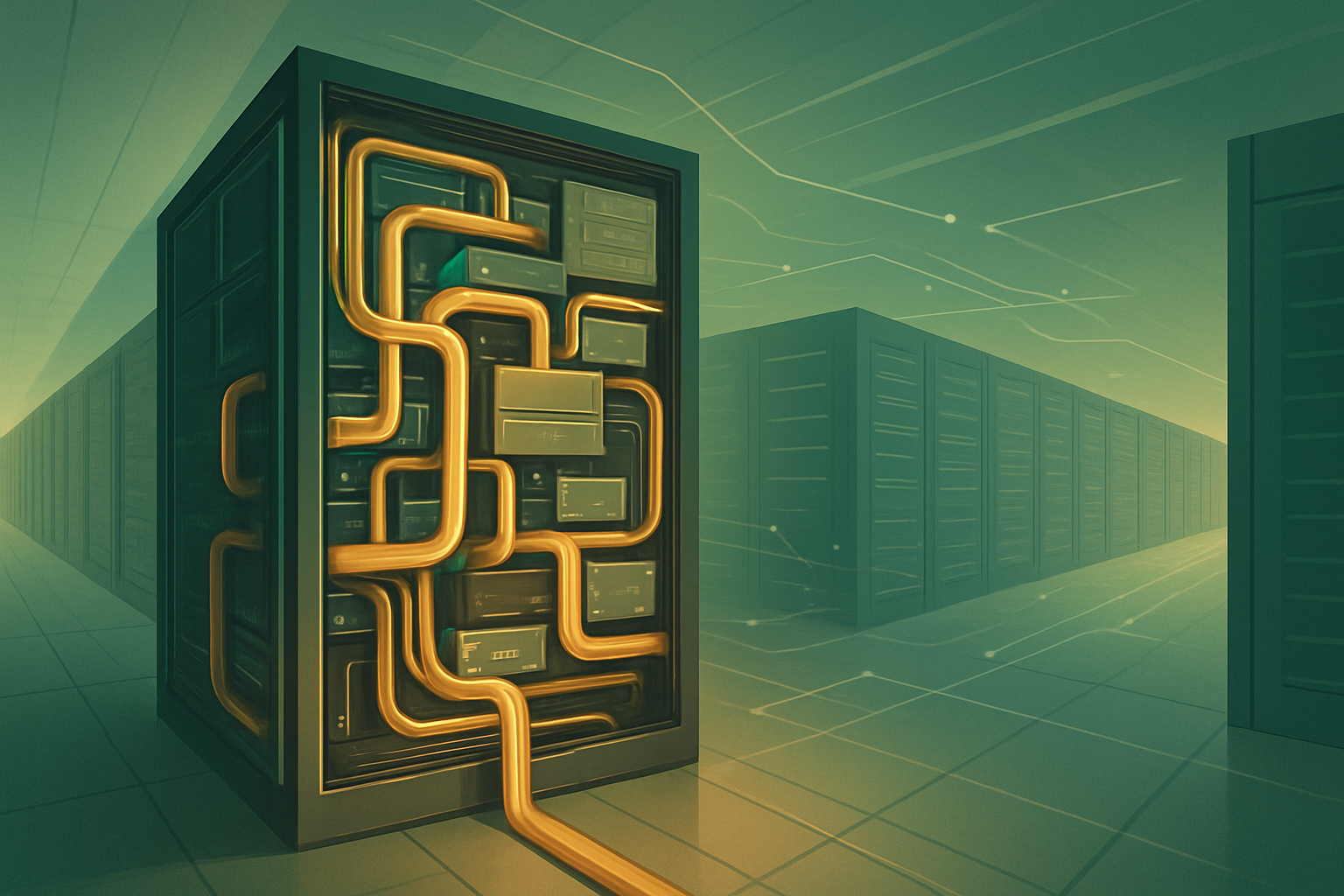
  • Super Micro Computer, Inc. (SMCI): The AI Infrastructure Giant Navigating the Edge of Innovation and Governance

    Super Micro Computer, Inc. (SMCI): The AI Infrastructure Giant Navigating the Edge of Innovation and Governance

    As of December 29, 2025

    Introduction

    In the rapidly evolving landscape of artificial intelligence (AI) infrastructure, few companies have experienced a more turbulent or high-stakes journey than Super Micro Computer, Inc. (Nasdaq: SMCI). Once the darling of the 2023-2024 AI bull market, the San Jose-based server manufacturer has spent the last year attempting to reconcile its technological leadership with a series of profound corporate governance crises. As we close out 2025, SMCI stands at a pivotal juncture: it remains a critical partner to chip giants like NVIDIA (Nasdaq: NVDA), yet it continues to operate under the shadow of regulatory scrutiny. This feature explores the company’s evolution from a specialized hardware builder to a global AI infrastructure powerhouse, and the internal and external forces currently shaping its valuation.

    Historical Background

    Founded in 1993 by Charles Liang, his wife Sara Liu, and Wally Liaw, Super Micro Computer began with a vision of "Green Computing." From its inception, the company differentiated itself through a "Building Block Solutions" approach to server design. Unlike the rigid, monolithic systems offered by larger competitors, SMCI’s modular architecture allowed for rapid customization and faster integration of new technologies.

    For over two decades, SMCI operated as a high-growth but relatively niche player in the data center market. Its big break came with the explosion of generative AI in late 2022. Because SMCI’s engineering-heavy culture allowed it to design and deploy server racks faster than almost anyone else in the industry, it became the preferred "speed-to-market" partner for the first wave of AI cloud providers. This transformation turned a veteran Silicon Valley hardware firm into a central pillar of the global AI supply chain.

    Business Model

    SMCI’s business model is built on three core pillars: speed, customization, and efficiency. The company operates as a provider of "Total IT Solutions," which includes servers, storage, software, and networking.

    • Revenue Sources: The vast majority of revenue (over 90%) is derived from server and storage systems. A growing portion of this is now delivered as "Rack-Scale" solutions, where SMCI assembles, tests, and configures entire racks of servers—complete with networking and cooling—before shipping them to customers.
    • Customer Base: SMCI’s client list ranges from "Tier 2" cloud service providers (CSPs) and enterprise AI startups to sovereign nations building their own domestic AI "factories."
    • The "Building Block" Edge: By maintaining a massive library of interoperable motherboards, chassis, and power supplies, SMCI can prototype a new AI server configuration in weeks, whereas competitors often take months.

    Stock Performance Overview

    The performance of SMCI stock over the last decade is a study in extreme market cycles.

    • 10-Year View: Long-term investors who held SMCI from 2015 witnessed an astronomical return, as the stock rose from a split-adjusted low single-digit price to its peak in early 2024.
    • 5-Year View: The 5-year window captures the AI-driven vertical climb. Between 2021 and early 2024, the stock appreciated by over 2,000%, briefly joining the S&P 500 index.
    • 1-Year View (2025): The last twelve months have been a period of stabilization and "re-baselining." After a catastrophic decline in late 2024—triggered by the resignation of its auditor, Ernst & Young, and a scathing short-seller report—the stock spent much of 2025 trading in a range between $30 and $40. While it has recovered from its "delisting scare" lows, it remains significantly below its all-time highs of March 2024.

    Financial Performance

    For the fiscal year ended June 30, 2025, SMCI reported record-breaking revenue of approximately $22 billion, a testament to the insatiable demand for AI hardware. However, the financial narrative has shifted from pure growth to margin health.

    • Revenue Growth: The company continues to see double-digit quarterly growth, driven by the rollout of the NVIDIA Blackwell architecture.
    • Margins: Gross margins have come under intense pressure, dipping into the 9%-10% range in late 2025. This contraction is attributed to aggressive pricing strategies to ward off competition from Dell (NYSE: DELL) and the high cost of liquid-cooling components.
    • Valuation: Trading at a forward P/E ratio significantly lower than its 2024 peak, SMCI is currently valued by the market as a hardware commodity business rather than a high-growth tech platform, reflecting a "governance discount."

    Leadership and Management

    Founder Charles Liang remains the driving force behind SMCI as Chairman and CEO. His technical expertise is undisputed, but his management style and the company's internal controls were heavily criticized during the 2024 accounting crisis.

    In response to shareholder pressure, 2025 saw a significant overhaul of the board and executive suite. The company appointed several independent directors, including audit veteran Scott Angel, to oversee a multi-month internal investigation into accounting practices. While Liang remains at the helm, the appointment of a new Chief Accounting Officer and the ongoing search for a permanent CFO represent an attempt to institutionalize a company that for too long operated like a family-run business despite its multi-billion dollar scale.

    Products, Services, and Innovations

    SMCI’s current crown jewel is its Direct Liquid Cooling (DLC) technology. As AI chips like the NVIDIA B200 and AMD (Nasdaq: AMD) MI350X consume unprecedented amounts of power, traditional air cooling is no longer sufficient.

    • L12 Liquid Cooling: SMCI’s latest "plug-and-play" liquid-cooled racks allow data centers to operate at much higher densities while reducing energy costs for cooling by up to 40%.
    • AI Factories: The company has shifted toward selling "clusters" of thousands of GPUs, pre-integrated with high-speed networking (InfiniBand or Ethernet), essentially acting as a one-stop-shop for AI infrastructure.
    • Manufacturing Scale: To support this, SMCI expanded its "MegaCampus" footprint in Malaysia and Taiwan in 2025, aiming for a total capacity of 6,000 racks per month.

    Competitive Landscape

    The competitive environment has intensified significantly in 2025.

    • Dell Technologies: Dell has emerged as SMCI’s most formidable rival, leveraging its superior global supply chain and enterprise sales force to win major contracts, including high-profile deals with xAI and other major tech conglomerates.
    • HPE: Hewlett Packard Enterprise (NYSE: HPE) remains a strong contender, particularly in the sovereign AI and government sectors, where long-term service contracts are prioritized over sheer speed.
    • The "Speed vs. Scale" Battle: While SMCI still wins on the "first-to-market" front, Dell and HPE are catching up, utilizing their stronger balance sheets to secure component supply in a tight market.

    Industry and Market Trends

    Three major trends are currently defining the sector:

    1. The Move to the Edge: AI is moving from massive central data centers to "edge" locations. SMCI’s modular designs are well-suited for these smaller, ruggedized environments.
    2. Sovereign AI: Nations are increasingly building their own data centers to ensure data privacy and technological independence. This has created a new, non-traditional customer base for SMCI.
    3. Power Constraints: Electricity availability has replaced chip supply as the primary bottleneck for AI growth. SMCI’s focus on energy-efficient "Green Computing" has transitioned from a marketing slogan to a fundamental business necessity.

    Risks and Challenges

    Despite its growth, SMCI faces a formidable list of risks:

    • Regulatory and Accounting Overhang: The U.S. Department of Justice (DOJ) and the SEC investigations initiated in late 2024 remain ongoing. Any adverse findings regarding past revenue recognition could lead to fines or further restatements.
    • Key Man Risk: The company is deeply tied to Charles Liang’s vision. Any change in his status or ability to lead would be viewed as a major risk by the market.
    • NVIDIA Dependency: While SMCI is diversifying into AMD and Intel (Nasdaq: INTC) chips, its fortunes remain heavily tethered to NVIDIA’s product roadmap and allocation decisions.

    Opportunities and Catalysts

    • The Blackwell Cycle: The full-scale deployment of NVIDIA’s Blackwell chips throughout 2026 represents a massive revenue catalyst.
    • Margin Recovery: If SMCI can successfully pass on the costs of its proprietary liquid cooling technology to customers, it could see a recovery in gross margins back toward its historical 14%-15% range.
    • M&A Potential: At its current suppressed valuation, SMCI could potentially become an acquisition target for a larger tech conglomerate looking to vertically integrate AI hardware.

    Investor Sentiment and Analyst Coverage

    Investor sentiment remains cautious and polarized. "Bulls" point to the massive order backlog and the indispensable nature of SMCI’s liquid-cooling tech. "Bears" focus on the "governance tax," arguing that until the DOJ and SEC investigations are closed, the stock is "un-investable" for many institutional funds. Analyst ratings are currently dominated by "Hold" or "Neutral" stances, as Wall Street waits for a clean bill of health from regulators and a full fiscal 2025 audit without caveats.

    Regulatory, Policy, and Geopolitical Factors

    SMCI operates in a politically sensitive industry. U.S. export controls on high-end AI chips to China have forced SMCI to strictly monitor its supply chain to prevent "gray market" sales. Furthermore, as AI data centers become matters of national security, SMCI’s manufacturing geographic footprint is under constant scrutiny. Its expansion in Malaysia and Taiwan is partly a strategic move to mitigate the risks of being overly concentrated in any one geopolitical zone.

    Conclusion

    Super Micro Computer, Inc. remains a titan of the AI era, possessing a technical agility that its larger peers struggle to match. Its mastery of liquid cooling and rack-scale integration has made it an essential partner in the global AI build-out. However, the events of 2024-2025 have served as a stark reminder that technological prowess is not a substitute for robust corporate governance. For investors, SMCI represents a high-beta bet on the future of AI infrastructure—one that offers significant upside if it can finally resolve its regulatory shadows, but one that carries a level of risk not typically seen in a company of this scale. In 2026, the market's focus will likely shift from how much SMCI can sell, to how reliably it can report its success.


    This content is intended for informational purposes only and is not financial advice.

  • A Pillar of Specialty Silicon: A Comprehensive Deep Dive into Tower Semiconductor (TSEM)

    A Pillar of Specialty Silicon: A Comprehensive Deep Dive into Tower Semiconductor (TSEM)

    As of December 29, 2025, Tower Semiconductor Ltd. (NASDAQ: TSEM) stands as one of the most compelling stories in the semiconductor industry. While the global market often fixates on the "bleeding edge" nodes used for AI processors, Tower has carved out an indispensable niche in the specialty analog market. Following the high-profile termination of its acquisition by Intel in 2023, many investors initially questioned the company's standalone future. Today, however, Tower has silenced skeptics by leveraging its $353 million "breakup fee" and deep technical expertise to become a critical partner in the AI infrastructure supply chain.

    The company is currently in focus due to its aggressive expansion into 300mm (12-inch) manufacturing capacity and its leadership in Silicon Photonics (SiPh)—a technology essential for the next generation of high-speed data centers. With a unique "asset-light" growth strategy and a footprint that spans Israel, the U.S., Italy, and Japan, Tower represents a strategic alternative to the massive, digital-focused foundries.

    Historical Background

    Tower Semiconductor’s journey began in 1993 when it acquired National Semiconductor’s aging 150mm wafer fabrication facility in Migdal Haemek, Israel. For its first decade, the company struggled to find its footing as a pure-play foundry. The turning point came in 2005 with the appointment of Russell Ellwanger as CEO, who initiated a series of transformative moves to pivot the company toward "specialty" nodes rather than chasing the expensive "Moore’s Law" race.

    In 2008, the company merged with California-based Jazz Semiconductor, significantly expanding its presence in the United States and bringing high-speed Silicon Germanium (SiGe) capabilities into its portfolio. Subsequent joint ventures with Panasonic in Japan (2014) and the acquisition of Maxim Integrated’s San Antonio fab (2016) established Tower as a global player. The most recent chapter of its history was defined by the 2022-2023 Intel merger attempt. Although the deal fell through due to Chinese regulatory delays, the process validated Tower’s strategic value and left it with a bolstered cash pile that has fueled its recent 2024-2025 expansion.

    Business Model

    Tower operates as a "specialty foundry," meaning it does not design its own chips but manufactures them for others. Unlike TSMC, which focuses on the smallest, fastest transistors for CPUs and GPUs, Tower focuses on "Analog-Intensive Mixed-Signal" technologies. These are the chips that interact with the physical world—sensing light, managing power, and transmitting radio signals.

    The company’s revenue is diversified across several high-value segments:

    • RF Mobile (RF-SOI): Powering the front-end modules of 5G and 6G smartphones.
    • Power Management (BCD): Essential for electric vehicles (EVs) and industrial power systems.
    • RF Infrastructure & Silicon Photonics: The "crown jewel" segment in 2025, providing the optical interconnects used in AI data centers to move data at light speed.
    • CMOS Image Sensors: High-end sensors for medical imaging (X-rays), industrial automation, and cinematic cameras.

    Tower’s customer base includes industry giants like Broadcom, Skyworks, and Qorvo, as well as emerging leaders in the AI networking space.

    Stock Performance Overview

    The performance of TSEM stock has been a story of resilience and eventually, an explosive breakout.

    • 1-Year Performance (2025): The stock has been a standout performer in 2025, rising approximately 138% year-to-date. This rally was driven by the realization that Tower is a "picks and shovels" play for the AI optical networking boom.
    • 5-Year Performance: Looking back to late 2020, shares have appreciated by nearly 390%. This includes a significant "U-shaped" recovery following the 2023 dip when the Intel deal collapsed.
    • 10-Year Performance: Long-term shareholders have seen gains exceeding 600%. While the stock has historically been volatile due to semiconductor cycles, its compounding growth reflects a decade of disciplined capacity expansion and margin improvement.

    Financial Performance

    Tower’s 2025 fiscal year has been defined by record-setting figures. As of today’s year-end estimates:

    • Revenue: Projected to reach $1.56 billion for the full year, a steady climb from $1.44 billion in 2024.
    • Margins: Gross margins have expanded to 28%—a significant feat for a specialty foundry—driven by a shift toward higher-value 300mm wafers.
    • Cash Flow & Balance Sheet: Tower maintains one of the cleanest balance sheets in the sector, with over $1 billion in cash and equivalents and a current ratio exceeding 6.0.
    • Valuation: Despite the stock's rally, it trades at a forward P/E ratio that remains competitive relative to its growth in Silicon Photonics, as the market begins to value it more like a high-growth tech firm than a commoditized manufacturer.

    Leadership and Management

    CEO Russell Ellwanger, now in his 20th year at the helm, is widely regarded as the architect of Tower’s success. His strategy has focused on "innovation in silicon," creating proprietary manufacturing processes that customers cannot easily move to other foundries. This creates high switching costs and "sticky" revenue.

    The management team is noted for its "asset-light" philosophy. Rather than spending $10 billion to build a new factory from scratch, they partner with other chipmakers. For instance, the partnership with Intel in New Mexico and STMicroelectronics in Italy has allowed Tower to expand its 300mm capacity with a fraction of the capital expenditure usually required. This governance model has been praised by institutional investors for prioritizing Return on Invested Capital (ROIC).

    Products, Services, and Innovations

    The most significant innovation in Tower’s current portfolio is its Silicon Photonics (SiPh) platform. As AI models grow, the copper wires used to connect servers are hitting a physical limit. SiPh uses light (photons) instead of electricity (electrons) to transfer data, enabling the 800G and 1.6T transceivers that have become the standard in 2025 data centers. Tower is the leading foundry in this space, with SiPh-related revenue projected to exceed $215 million this year.

    In the automotive sector, Tower’s BCD (Bipolar-CMOS-DMOS) technology is a leader in power management, allowing EVs to manage battery life more efficiently. Furthermore, its RF-SOI (Radio Frequency on Silicon-on-Insulator) technology remains the gold standard for high-frequency 5G communications.

    Competitive Landscape

    Tower competes in a specialized segment of the foundry market against:

    • GlobalFoundries (GF): A larger competitor that also focuses on specialty nodes. While GF has more scale, Tower is often viewed as more agile and technically superior in high-speed SiGe and Silicon Photonics.
    • Vanguard International Semiconductor (VIS): Based in Taiwan, VIS is a strong competitor in power management but lacks Tower’s global manufacturing footprint and advanced RF capabilities.
    • TSMC: While TSMC is the undisputed king of digital chips, Tower maintains its edge by offering highly customized analog processes that TSMC’s mass-production model doesn't always prioritize.

    Tower’s competitive strength lies in its "Process Design Kits" (PDKs), which are so deeply integrated into their customers' design flows that moving to a different foundry would require a total redesign of the chip.

    Industry and Market Trends

    The semiconductor industry in late 2025 is dominated by the "AI Supercycle." This has shifted demand from general-purpose CPUs to specialized accelerators and, crucially, the networking hardware that links them. This "connectivity boom" plays directly into Tower’s strengths in RF and Photonics.

    Additionally, the trend toward "Regionalization" or "Sovereign Supply Chains" has benefited Tower. With fabs in the U.S., Europe, Israel, and Japan, Tower is well-positioned to satisfy government requirements for localized chip production, such as those incentivized by the U.S. CHIPS Act and the European Chips Act.

    Risks and Challenges

    • Geopolitical Risk: Headquartered in Israel, Tower is inherently exposed to regional instability. While the company has maintained 100% operational continuity throughout recent conflicts, the risk of labor disruptions or logistics bottlenecks remains a concern for cautious investors.
    • China Exposure: While Tower has diversified, a portion of its RF business still relies on the Chinese smartphone market. A prolonged economic slowdown in China could impact these lower-margin segments.
    • Cyclicality: The semiconductor industry is famously cyclical. While AI is currently in a boom, any "digestion period" in data center spending could lead to a temporary pullback in orders.

    Opportunities and Catalysts

    • 12-inch (300mm) Ramp: The full-scale production ramp at Intel’s Rio Rancho facility (using Tower’s equipment) and the Agrate fab in Italy are massive catalysts. These facilities provide the economies of scale that Tower previously lacked, potentially driving gross margins into the 30% range by 2026.
    • 6G Transition: As the industry begins to look toward 6G, Tower’s leadership in high-frequency SiGe (Silicon Germanium) positions it to be the primary foundry for the next generation of mobile connectivity.
    • M&A Potential: With its high stock price and strong cash balance, Tower is now in a position to be an acquirer rather than a target, potentially buying smaller specialty players to expand its sensor or power portfolios.

    Investor Sentiment and Analyst Coverage

    Sentiment among Wall Street analysts is overwhelmingly positive as of December 2025. The consensus is currently a "Strong Buy," with price targets having been revised upward throughout the year from the $80 range to the $125-$140 range.

    Institutional ownership remains high at approximately 58%, with major positions held by activist-leaning funds and large Israeli financial institutions. Retail sentiment has also surged as Tower becomes recognized as a "hidden" AI play, frequently discussed alongside larger names like Nvidia or Broadcom in the context of data center connectivity.

    Regulatory, Policy, and Geopolitical Factors

    The failure of the Intel-Tower merger taught the market a lesson about the power of Chinese regulators (SAMR) in global tech deals. Since then, Tower has pivoted its strategy to focus on the "Western Alliance"—deepening ties with the U.S. and Europe.

    The company is a beneficiary of the global push for semiconductor autonomy. Its partnership with Intel in the U.S. is seen as a strategic asset by the Department of Commerce, ensuring a domestic supply of critical analog and power chips. In Israel, the government continues to support Tower with grants and tax incentives, recognizing it as a flagship of the nation’s high-tech economy.

    Conclusion

    Tower Semiconductor has emerged from the shadow of its failed merger with Intel to become a powerhouse in the specialty foundry market. By focusing on the "analog" components that the AI and EV revolutions cannot live without, the company has transformed itself into a high-margin, high-growth entity.

    As we close out 2025, Tower sits at the intersection of several secular growth trends: the transition to optical networking in AI, the electrification of the automotive fleet, and the global need for diversified supply chains. While geopolitical risks in its home region of Israel will always require a risk premium, the company’s operational excellence and strategic partnerships make it a cornerstone of the modern semiconductor landscape. Investors should watch the continued ramp-up of the 300mm capacity corridors as the primary indicator of the next leg of growth.


    This content is intended for informational purposes only and is not financial advice.

  • The Oracle Awakening: How a Legacy Giant Became the Infrastructure of the AI Era

    The Oracle Awakening: How a Legacy Giant Became the Infrastructure of the AI Era

    As of late December 2025, Oracle Corporation (NYSE: ORCL) finds itself in the middle of a radical second act that few industry analysts predicted a decade ago. Once dismissed as a legacy "dinosaur" struggling to transition from on-premise databases to the cloud, Oracle has reinvented itself as a premier infrastructure provider for the generative AI era. Today, the company is not just a database giant; it is a critical "AI Factory" partner for some of the world’s most ambitious technology firms, including OpenAI and Meta. This transformation has reshaped Oracle's financial profile, its leadership structure, and its market valuation, positioning it as a distinct alternative to the "Big Three" hyperscalers.

    Historical Background

    The story of Oracle began in 1977 when Larry Ellison, Bob Miner, and Ed Oates founded Software Development Laboratories (SDL). Inspired by a white paper on relational database management systems (RDBMS) by IBM researcher Edgar F. Codd, the founders sought to create a commercial product that could handle vast amounts of data more efficiently than anything then on the market. Their first customer was the CIA, and the project—codenamed "Oracle"—eventually became the name of the company itself.

    Oracle went public in 1986, just one day before Microsoft. Over the following decades, it grew into a global empire through a strategy of aggressive horizontal and vertical acquisitions. Notable takeovers included PeopleSoft (2005), Siebel (2006), NetSuite (2016), and most recently, the $28 billion acquisition of health-tech giant Cerner in 2022. While these acquisitions provided scale, they also created a complex web of legacy systems that Oracle has spent much of the 2020s modernizing and migrating to the cloud.

    Business Model

    Oracle’s business model has shifted from selling perpetual software licenses to a recurring, cloud-centric revenue engine. The model is currently divided into four primary segments:

    1. Cloud Services and License Support: This is the company's powerhouse, accounting for approximately 85% of total revenue by late 2025. It includes both Infrastructure-as-a-Service (OCI) and Software-as-a-Service (SaaS) offerings like Fusion ERP and NetSuite.
    2. Cloud License and On-Premise License: This segment allows customers to buy traditional licenses. While it is a smaller portion of the business, it serves as a critical bridge for enterprise clients who are not yet ready for a full cloud migration.
    3. Hardware: Oracle continues to sell high-performance hardware, such as Exadata systems, designed specifically to run Oracle databases at peak efficiency.
    4. Services: This includes consulting and support services, particularly for large-scale digital transformations in sectors like healthcare and finance.

    Stock Performance Overview

    Over the last decade, Oracle’s stock performance has mirrored its transition from a slow-growth legacy player to a high-growth cloud provider.

    • 10-Year Horizon: Investors have seen a staggering ~526% return, significantly outperforming the broader tech sector as the cloud pivot took root.
    • 5-Year Horizon: The stock has risen ~227%. Much of this growth occurred between 2023 and 2025 as the market began pricing in Oracle’s role as an AI infrastructure leader.
    • 1-Year Horizon: In 2025, the stock reached a record high of over $210 in September before entering a consolidation phase. As of late December 2025, it is trading in the mid-$180s, representing a 16% annual return. The recent pull-back reflects investor caution regarding the company's aggressive capital expenditure (CapEx) targets.

    Financial Performance

    Oracle’s fiscal year 2025 results (ending May 2025) underscored the duality of its business. The company reported total revenue of $57.4 billion, a 9% year-over-year increase. While the legacy segments showed signs of maturity, cloud revenue (IaaS and SaaS) was the star, growing at a 27% clip.

    In the most recent quarterly report (Q2 FY2026, ending November 2025), Oracle posted revenue of $16.06 billion. A standout metric was the 68% year-over-year surge in OCI revenue, which hit $4.1 billion. However, non-GAAP earnings per share (EPS) of $6.03 in FY2025 remains a focal point for analysts who are watching the company’s massive spending. Oracle’s CapEx hit a staggering $50 billion in late 2025, driven by the need to build "AI supercomputers" and expand its global data center footprint.

    Leadership and Management

    The year 2025 brought a significant shift to Oracle’s C-suite. After more than a decade at the helm, Safra Catz transitioned from CEO to Executive Vice Chair in September. To replace her, Oracle adopted a Co-CEO model, appointing Clay Magouyrk and Mike Sicilia.

    • Larry Ellison (Chairman and CTO): Despite being in his 80s, Ellison remains the primary visionary. He is heavily involved in the design of OCI’s RDMA networking and the "AI Factory" strategy.
    • Clay Magouyrk (Co-CEO): Formerly the head of OCI, Magouyrk is credited with building Oracle’s Gen2 Cloud from the ground up, making him the technical architect of the company’s recent success.
    • Mike Sicilia (Co-CEO): Previously leading Oracle’s vertical industries (including Healthcare and Cerner), Sicilia is tasked with the "industry-specific cloud" strategy.

    Products, Services, and Innovations

    Oracle’s current product strategy is built on three competitive advantages: AI Infrastructure, the Autonomous Database, and Healthcare.

    1. AI Superclusters: Oracle has become a preferred destination for AI training. Its Gen2 OCI uses "flat" RDMA networking, which allows thousands of GPUs to talk to each other with virtually zero latency. In late 2025, Oracle announced clusters scaling up to 131,072 NVIDIA Blackwell GPUs.
    2. Autonomous Database: This self-healing, self-patching database remains Oracle's "crown jewel," utilizing machine learning to eliminate human error and manual tuning.
    3. Oracle Health (Cerner): Following the acquisition of Cerner, Oracle is rewriting the legacy EHR (Electronic Health Record) system from the ground up as an AI-native application on OCI. This includes voice-driven clinical assistants that automate doctor charting.

    Competitive Landscape

    Oracle faces a "Goliath" battle against Amazon (AWS), Microsoft (Azure), and Google Cloud. While Oracle holds a smaller overall cloud market share (roughly 4%), it is currently the fastest-growing in the infrastructure (IaaS) segment.

    • Multi-Cloud Pivot: Rather than fighting Microsoft and Google for every dollar, Oracle has embraced "multi-cloud." It has signed groundbreaking deals to place Oracle Database hardware directly inside Azure and Google data centers, allowing customers to use Oracle’s database with the other providers' analytics tools.
    • ERP Rivalry: In a major milestone in 2024, Oracle officially surpassed SAP as the world’s #1 ERP (Enterprise Resource Planning) provider by revenue, largely due to the rapid cloud adoption of its Fusion and NetSuite platforms.

    Industry and Market Trends

    Two major trends are defining Oracle’s path in 2025:

    • Sovereign Clouds: Nations in the EU and the Middle East are increasingly demanding that data reside within their borders. Oracle’s "Alloy" program allows governments or local partners to run their own sovereign cloud based on OCI technology, creating a major moat in the public sector.
    • GPU Scarcity and "AI Factories": As the world shifts from general-purpose computing to accelerated computing, the demand for large-scale GPU clusters remains insatiable. Oracle’s strategy of building massive, dedicated "AI Factories" has allowed it to secure long-term contracts with companies like OpenAI.

    Risks and Challenges

    Despite its momentum, Oracle faces substantial risks:

    1. The Debt Mountain: As of December 2025, Oracle’s total debt stands at roughly $108 billion. Financing the $50 billion CapEx required for data centers has forced the company into major bond sales, which could weigh on the balance sheet if interest rates remain elevated.
    2. Customer Concentration: Much of the OCI growth is tied to a few massive AI clients. If the AI "investment bubble" bursts or if these companies move their workloads in-house, Oracle’s growth could stall.
    3. Security Concerns: In 2025, Oracle faced scrutiny over a high-profile security breach in its Identity Manager and legacy Cerner servers, highlighting the risks of managing sensitive healthcare data.

    Opportunities and Catalysts

    Oracle’s near-term growth is tied to several key catalysts:

    • The OpenAI Partnership: Oracle provides a significant portion of the infrastructure used by OpenAI for training and inference. As OpenAI expands, so does Oracle's revenue.
    • Healthcare Modernization: If Oracle successfully rolls out its AI-native EHR to the global Cerner customer base, it could unlock a multi-billion-dollar recurring revenue stream that is largely recession-proof.
    • Regional Expansion: The company is currently building data centers at a record pace, with plans to operate in nearly every major geographic region by the end of 2026.

    Investor Sentiment and Analyst Coverage

    Wall Street is currently divided on Oracle. The consensus remains a "Moderate Buy," but price targets vary widely.

    • Bulls (e.g., Mizuho, Piper Sandler): Focus on the 60%+ IaaS growth and the company’s unique NVIDIA partnership, with some targets reaching as high as $300.
    • Bears (e.g., RBC Capital): Point to the high valuation (PE ratio) and the immense debt load, arguing that the market has already "priced in" the AI growth story.
    • Institutional Ownership: Institutional investors hold approximately 42% of shares, but the real power rests with Larry Ellison, who owns roughly 43% of the company, giving him unparalleled control over the strategic direction.

    Regulatory, Policy, and Geopolitical Factors

    Oracle is uniquely positioned regarding geopolitics. As a US-based provider with deep government ties and "FedRAMP High" certifications, it is a primary beneficiary of the US government's shift away from foreign-linked technology. Furthermore, its "Alloy" sovereign cloud model helps it navigate the complex EU AI Act and data localization laws in the Middle East, areas where rivals have sometimes struggled with regulatory pushback.

    Conclusion

    Oracle Corporation (NYSE: ORCL) has successfully navigated one of the most difficult pivots in corporate history. By leaning into the high-performance demands of generative AI and leveraging its legacy dominance in database and ERP, it has secured a seat at the table of the world’s most important technology providers.

    However, for investors, the story is one of high stakes. The company is effectively "betting the house" on AI infrastructure, as evidenced by its $100 billion-plus debt and $50 billion annual CapEx. While the growth in OCI is undeniable, the long-term sustainability of the stock will depend on whether the AI revolution delivers on its productivity promises and whether Oracle can successfully manage its transition to a new generation of leadership. Investors should keep a close eye on free cash flow metrics and the pace of the Cerner AI rollout throughout 2026.


    This content is intended for informational purposes only and is not financial advice. Today's date is 12/29/2025.

  • DigitalBridge Group (DBRG): The Architect of the AI Infrastructure Era and the SoftBank Buyout

    DigitalBridge Group (DBRG): The Architect of the AI Infrastructure Era and the SoftBank Buyout

    Today’s Date: 12/29/2025

    Introduction

    On this final Monday of 2025, the digital infrastructure landscape has been reshaped by a seismic announcement: DigitalBridge Group, Inc. (NYSE: DBRG) has entered into a definitive agreement to be acquired by SoftBank Group in an all-cash transaction valued at approximately $4 billion, or $16.00 per share. This deal marks the culmination of one of the most successful corporate pivots in modern finance. Once a struggling diversified REIT known as Colony Capital, DigitalBridge has spent the last five years transforming itself into a "pure-play" alternative asset manager dedicated to the backbone of the digital economy—data centers, fiber networks, and cell towers. With the explosion of Artificial Intelligence (AI) and the emergence of "Artificial Super Intelligence" (ASI) initiatives, DigitalBridge’s portfolio of "AI Factories" has become the most coveted real estate on the planet, making it the perfect centerpiece for SoftBank’s global technology ambitions.

    Historical Background

    The story of DigitalBridge is a tale of two eras. For decades, the firm operated as Colony Capital, founded by Thomas Barrack, a legendary figure in opportunistic real estate. Colony was a sprawling conglomerate with investments in everything from luxury hotels and healthcare facilities to retail malls. However, by the late 2010s, the diversified REIT model was falling out of favor, and the company’s stock suffered.

    The turning point came in 2019 when Colony Capital acquired the management platform of Digital Bridge Holdings, a firm co-founded by Marc Ganzi and Ben Jenkins. This acquisition didn't just add assets; it brought in new leadership with a singular vision. Ganzi, an infrastructure veteran, was appointed CEO and immediately began a massive "asset rotation." Between 2019 and 2021, the firm divested over $100 billion in legacy assets, including its healthcare and hotel divisions. In June 2021, the company officially rebranded as DigitalBridge and changed its ticker to DBRG, signaling to the market that its transformation into a digital-first investment manager was complete.

    Business Model

    DigitalBridge operates an "asset-light" alternative asset management model, which distinguishes it from traditional REITs like American Tower or Digital Realty. Rather than simply owning property and collecting rent, DigitalBridge manages capital on behalf of institutional investors—such as sovereign wealth funds and pension funds—and earns fees for its expertise in the digital infrastructure sector.

    The company generates revenue through three primary channels:

    1. Management Fees: Earned on Fee-Earning Equity Under Management (FEEUM).
    2. Incentive Fees/Carried Interest: Performance-based fees earned when funds exceed specific return hurdles.
    3. Operating Segments: Strategic stakes in portfolio companies that provide direct exposure to high-growth infrastructure.

    The firm focuses on five key "pillars" of digital infrastructure: Data Centers, Macro Cell Towers, Fiber Networks, Small Cells, and Edge Infrastructure. This ecosystem allows DigitalBridge to offer comprehensive solutions to hyperscale tenants like Amazon, Google, and Microsoft.

    Stock Performance Overview

    As of December 29, 2025, the stock is trading near the $16.00 acquisition price, reflecting a significant journey over the past decade:

    • 1-Year Performance: The stock has seen a steady climb in 2025, buoyed by record leasing in its data center segment and the successful raising of its latest flagship infrastructure fund. The SoftBank buyout represents a roughly 15% premium over its Q3 2025 trading range.
    • 5-Year Performance: Looking back to 2020, the stock has undergone a volatile but upward trajectory as it shed its legacy "Colony" skin. The transition to an asset-light model initially confused investors, but as Fee-Related Earnings (FRE) began to scale, the market rewarded the firm with a higher valuation multiple.
    • 10-Year Performance: For long-term shareholders who held through the Colony Capital days, the 10-year chart is a V-shaped recovery. The stock hit deep lows during the COVID-19 pandemic and the subsequent interest rate hikes of 2022-2023, but the 2024-2025 AI boom acted as a powerful tailwind that returned the firm to a position of strength.

    Financial Performance

    DigitalBridge’s Q3 2025 earnings report showcased the power of its scaling platform. The firm achieved its long-held goal of reaching $40.7 billion in FEEUM, surpassing its year-end target a full quarter early.

    • Revenue Growth: Fee-Related Revenue (FRR) reached $93.5 million in Q3 2025, up 22% year-over-year.
    • Margins: The firm’s FRE margin expanded to a record 40%, reflecting the operating leverage inherent in managing larger pools of capital with a stable headcount.
    • Liquidity: Heading into the SoftBank merger, DigitalBridge maintained a robust balance sheet with over $1 billion in corporate cash, a far cry from the debt-laden days of the legacy REIT structure.
    • Asset Performance: Its portfolio companies, specifically Vantage Data Centers and Switch, reported a record 2.6 gigawatts (GW) of capacity leased in 2025, driven almost entirely by AI training and inference requirements.

    Leadership and Management

    Marc Ganzi, CEO of DigitalBridge, is widely considered the architect of the modern digital infrastructure asset class. His background as the founder of Global Tower Partners (sold to American Tower in 2013) gave him the operational "DNA" required to understand the nuances of towers and data centers.

    Ganzi is known for his aggressive, forward-thinking strategy. Throughout 2024 and 2025, he focused the company’s narrative on "convergence"—the idea that power and data are now inextricably linked. His decision to secure a 21 GW "power bank" for DigitalBridge’s portfolio companies was a masterstroke, ensuring that his data centers had the electricity required to host AI workloads while competitors were stalled by utility grid delays. The Board of Directors, which has been refreshed since the Colony era, has been praised for its governance and for successfully steering the firm through its complex restructuring.

    Products, Services, and Innovations

    DigitalBridge’s "product" is its ability to build and manage the physical infrastructure that powers the internet. Its key innovations in 2025 include:

    • AI Factories: Moving beyond traditional retail co-location, DigitalBridge helped pioneer the "AI Factory" concept—massive, liquid-cooled data center campuses specifically designed for high-density GPU clusters.
    • Energy-Infrastructure Synergy: DigitalBridge has integrated renewable energy solutions directly into its infrastructure builds, utilizing on-site microgrids and long-term Power Purchase Agreements (PPAs) to guarantee 24/7 "green" power for hyperscalers.
    • Edge Computing: Through investments in small cells and fiber, the firm is building the low-latency infrastructure required for the next generation of autonomous vehicles and real-time AI applications.

    Competitive Landscape

    DigitalBridge competes in a field of giants, yet it occupies a unique position. Unlike American Tower Corp (NYSE: AMT), which focuses primarily on macro towers, or Digital Realty Trust (NYSE: DLR), which is an owner-operator of data centers, DigitalBridge acts as the "Private Equity" of the sector.

    • Vs. Traditional REITs: DBRG has higher growth potential and better margins due to its asset-light model but carries more variable earnings due to the timing of carried interest.
    • Vs. Alternative Managers: Large firms like Blackstone (NYSE: BX) and KKR (NYSE: KKR) have significantly increased their digital infrastructure allocations. However, DigitalBridge’s specialized focus and Marc Ganzi’s operational expertise are often cited as its primary competitive advantages in winning complex deals.

    Industry and Market Trends

    The "Super-Cycle" of digital infrastructure has been the defining trend of 2024-2025.

    • The AI Gold Rush: As enterprises moved from AI experimentation to full-scale deployment, the demand for data center capacity shifted from megawatts to gigawatts.
    • Power Scarcity: The primary bottleneck in the industry is no longer fiber or hardware, but electricity. This has turned power into a high-barrier-to-entry asset class.
    • Convergence: We are seeing a blurring of lines between telecom and data storage, as processing moves closer to the end-user (The Edge).

    Risks and Challenges

    Despite the SoftBank acquisition, DigitalBridge has faced several risks over the last year:

    • Interest Rate Sensitivity: As a capital-intensive business, the cost of debt for its portfolio companies remains a critical factor. While rates stabilized in late 2025, a sudden inflationary spike could still pressure valuations.
    • Execution Risk: Building out 21 GW of power capacity is a massive logistical undertaking fraught with regulatory and supply-chain hurdles.
    • Earnings Volatility: The "lumpy" nature of carried interest means that GAAP earnings can fluctuate significantly from quarter to quarter, occasionally leading to short-term retail investor panic.

    Opportunities and Catalysts

    The SoftBank acquisition is the ultimate catalyst for DBRG shareholders. Under the SoftBank umbrella, DigitalBridge will have access to virtually unlimited capital to scale its "Stargate" AI initiative. This project aims to build the world’s most advanced AI infrastructure network, potentially integrating with SoftBank’s other holdings like ARM and various robotics firms. For the broader market, the deal serves as a "valuation floor" for digital infrastructure assets globally.

    Investor Sentiment and Analyst Coverage

    Prior to today's buyout announcement, Wall Street was overwhelmingly bullish on DBRG. Analysts cited the firm’s successful fundraising for its "DigitalBridge Partners III" fund and its leadership in the AI space.

    • Institutional Support: Major hedge funds and institutional investors have significantly increased their stakes in 2025, viewing the firm as a leveraged play on the AI infrastructure boom.
    • Retail Sentiment: Retail interest has spiked as the "asset-light" story became easier to understand, with many investors following Marc Ganzi’s public appearances and "Convergence" whitepapers.

    Regulatory, Policy, and Geopolitical Factors

    The digital infrastructure sector is increasingly viewed as a matter of national security.

    • Data Sovereignty: European and Asian governments are passing laws requiring data to be stored locally, driving demand for DigitalBridge’s regional data centers.
    • U.S. Policy: The U.S. government’s focus on domestic AI leadership has led to various incentives for infrastructure development, though increased scrutiny of large-scale tech acquisitions (like the SoftBank deal) by the FTC and CFIUS remains a factor to watch as the deal closes in 2026.

    Conclusion

    The acquisition of DigitalBridge Group by SoftBank for $16.00 per share marks the end of an era for the public company and the beginning of a new chapter in the AI revolution. By successfully pivoting from a legacy real estate conglomerate to a specialized digital infrastructure manager, Marc Ganzi and his team have created a platform that is now deemed essential to the future of global computing. For investors, the lesson of DBRG is the power of specialization and the importance of anticipating the "convergence" of infrastructure and technology. As the company moves toward private ownership, its footprint in the "AI Factories" of tomorrow will likely remain the gold standard for the industry.


    This content is intended for informational purposes only and is not financial advice.

  • The Copper Gatekeeper: A Deep Dive into Freeport-McMoRan (FCX) in the Era of Electrification

    The Copper Gatekeeper: A Deep Dive into Freeport-McMoRan (FCX) in the Era of Electrification

    As of December 26, 2025, the global economy finds itself at a critical crossroads where the physical constraints of commodity supply are clashing with the insatiable demands of the digital and green revolutions. At the heart of this tension sits Freeport-McMoRan Inc. (NYSE: FCX), the world’s largest publicly traded copper producer. For decades, Freeport was viewed as a traditional, cyclical mining play. However, in the 2024–2025 period, the company has successfully rebranded itself as a foundational "technology enabler."

    With the explosion of Artificial Intelligence (AI) infrastructure requiring massive electrical grid upgrades and the continued global push toward vehicle electrification, copper has become the "new oil." Freeport-McMoRan is currently in focus not just for its massive reserves, but for its strategic navigation of complex Indonesian geopolitics and its pioneering use of leaching technologies to extract value from what was once considered waste. Despite a challenging autumn in 2025 marked by operational hurdles at its flagship Indonesian site, the company remains a bellwether for the industrial health of the 21st century.

    Historical Background

    The story of Freeport-McMoRan is one of bold gambles and near-catastrophic pivots. The modern entity was forged in 1981 through the merger of Freeport Minerals—a Texas-based sulfur company founded in 1912—and McMoRan Oil & Gas. However, the company’s trajectory changed forever in 1988 with the discovery of the Grasberg district in Papua, Indonesia. Grasberg eventually revealed itself to be one of the largest and highest-grade copper and gold deposits ever found, providing the company with a "crown jewel" that continues to drive its valuation today.

    In 2007, Freeport transformed into a global titan with the $25.9 billion acquisition of Phelps Dodge. This move brought massive North American mines like Morenci into the fold and established a significant footprint in South America. The mid-2010s, however, served as a cautionary tale; a misguided $20 billion diversification into the oil and gas sector in 2013 nearly bankrupted the company when commodity prices collapsed in 2015. Since 2016, under the leadership of Richard Adkerson and now Kathleen Quirk, the company has undergone a disciplined "return to roots," shedding non-core assets to become a focused, pure-play copper and gold producer.

    Business Model

    Freeport-McMoRan operates a geographically diverse but commodity-focused business model. Approximately 75% to 80% of its revenue is derived from copper, with the remainder coming from gold and molybdenum (a metal used in high-strength steel alloys).

    Core Segments:

    • Indonesia (PT-FI): Centered on the Grasberg minerals district, this is a joint venture where Freeport holds a 48.76% stake but maintains operational control. It is the primary engine of the company's gold production and a massive contributor to its copper output.
    • North America: Includes iconic mines such as Morenci, Bagdad, and Safford in Arizona, and Chino and Tyrone in New Mexico. These assets provide a stable, lower-risk production base in a Tier-1 jurisdiction.
    • South America: Key operations include Cerro Verde in Peru and El Abra in Chile. These are massive, long-lived mines that are essential to Freeport’s scale.

    The company generates revenue by mining, concentrating, and smelting these ores. A significant development in late 2024 was the completion of the Manyar Smelter in East Java, Indonesia, which allows Freeport to process copper concentrate domestically, satisfying Indonesian "downstreaming" requirements and securing long-term export permits.

    Stock Performance Overview

    Over the last decade, FCX has been one of the most volatile yet rewarding stocks in the materials sector.

    • 1-Year Performance (2025): The stock has traded in a wide range, hitting a high of nearly $54 in mid-2024 before stabilizing around the $50 mark in late 2025. The performance this year has been a tug-of-war between record-high copper prices ($4.75/lb) and the temporary production halt at Grasberg in September.
    • 5-Year Performance (2020–2025): This period marked a massive bull run. From the COVID-19 lows of approximately $5 per share in March 2020, the stock has appreciated by roughly 900%. This was driven by the global energy transition narrative and a significantly repaired balance sheet.
    • 10-Year Performance: Looking back to the 2015 debt crisis, the stock has successfully transitioned from a distressed asset to a blue-chip dividend payer. Long-term shareholders who weathered the 2016 bottom have seen one of the great turnaround stories of the mining industry.

    Financial Performance

    As of the third quarter of 2025, Freeport-McMoRan maintains a robust financial profile, characterized by high margins and aggressive debt reduction.

    • Revenue: Projected to reach between $28 billion and $31 billion for the full year 2025, supported by realized copper prices averaging above $4.50 per pound.
    • Earnings: Net income for 2025 is estimated to land between $2.8 billion and $3.3 billion, though this was revised slightly downward following the September "mud rush" incident at Grasberg.
    • Margins: EBITDA margins remain healthy at approximately 40%, reflecting the low cash-cost nature of the Grasberg and Morenci operations.
    • Balance Sheet: The company has transitioned from a net debt position of over $20 billion in 2015 to a highly manageable net debt level of roughly $7 billion as of late 2025. This has allowed for a flexible capital return policy, combining a base dividend with performance-based variable payouts.

    Leadership and Management

    In June 2024, a significant leadership transition occurred as Kathleen Quirk took over as CEO from the legendary Richard Adkerson. Quirk, a 35-year veteran who previously served as CFO and President, is widely respected by Wall Street for her financial discipline and deep operational knowledge.

    Her strategy has focused on "organic innovation" rather than expensive M&A. Under her tenure, Freeport has prioritized high-return internal projects and the scaling of new technology. The management team is currently regarded as one of the most stable and experienced in the global mining sector, with a reputation for transparent communication and a conservative approach to capital allocation.

    Products, Services, and Innovations

    While copper is the primary product, Freeport’s "innovation pipeline" is what distinguishes it from its peers.

    • Leaching Technology: One of the most significant breakthroughs in recent years is Freeport’s proprietary leaching process. By using specialized chemical and biological agents on "waste" rock piles at existing mines, the company is targeting an additional 200 to 800 million pounds of copper annually. This is "incremental" copper that requires almost no new mining and has a very low carbon footprint.
    • Automation: The Grasberg Block Cave is one of the most advanced underground mines in the world, utilizing autonomous trains and remote-controlled loaders to maximize safety and efficiency in a high-pressure environment.

    Competitive Landscape

    Freeport-McMoRan competes in a global arena with both state-owned enterprises and diversified mining giants.

    • Direct Rivals: These include BHP (NYSE: BHP), Rio Tinto (NYSE: RIO), and Southern Copper (NYSE: SCCO).
    • Competitive Edge: Unlike BHP or Rio Tinto, which are diversified across iron ore and coal, Freeport is a pure-play on copper. This makes it the preferred vehicle for investors seeking direct exposure to the copper "supercycle."
    • Market Share: Freeport is consistently one of the top three global copper producers. Its primary weakness relative to peers is its heavy concentration in Indonesia, which carries higher geopolitical risk than the Australian or Canadian assets held by some rivals.

    Industry and Market Trends

    The "Copper Deficit" is the defining trend of 2025.

    1. The AI Boom: Data centers are copper-intensive. Analysts estimate that AI-related power demand could require an additional 1 million tonnes of copper by 2030.
    2. Grid Modernization: The shift to renewable energy requires five times more copper than traditional fossil fuel power plants.
    3. Supply Constraints: New "greenfield" mines are becoming increasingly difficult to permit and build, taking 10-15 years to come online. This supply-side "moat" benefits existing producers like Freeport who can expand "brownfield" sites more quickly.

    Risks and Challenges

    Despite the bullish outlook, Freeport faces significant headwinds:

    • Operational Risk: In September 2025, a major geotechnical event (a mud rush) at the Grasberg Block Cave resulted in fatalities and a temporary production suspension. This highlighted the inherent dangers and complexities of deep-underground mining.
    • Commodity Price Volatility: While the long-term trend is up, copper is sensitive to Chinese economic data. Any significant slowdown in China's manufacturing sector remains a primary risk.
    • Water Scarcity: Operations in Chile and Peru face increasing regulatory pressure regarding water usage, requiring expensive investments in desalination plants.

    Opportunities and Catalysts

    Several catalysts could drive Freeport’s stock higher in 2026:

    • US Critical Mineral Status: There is an active legislative push in Washington D.C. to classify copper as a "critical mineral." If passed, Freeport could benefit from significant tax credits (estimated at $500 million annually) for its domestic operations.
    • Indonesian Lease Extension: The company is currently negotiating to extend its mining rights in Indonesia beyond 2041. A successful early extension would remove a major long-term valuation overhang.
    • Leaching Success: If the company hits the high end of its leaching production targets (800 million lbs), it would essentially be like discovering a mid-sized mine for free.

    Investor Sentiment and Analyst Coverage

    Wall Street remains generally bullish on FCX. As of December 2025, approximately 65% of analysts covering the stock have a "Buy" or "Strong Buy" rating. Hedge fund interest remains high, with many institutional investors using FCX as a proxy for the "Electrification of Everything" trade.

    Retail sentiment is more mixed, often reacting to the short-term swings in copper prices or news regarding Indonesian labor strikes. However, the consensus among long-term analysts is that Freeport’s "scarcity value" as a large-scale copper producer makes it a core holding in any materials-focused portfolio.

    Regulatory, Policy, and Geopolitical Factors

    Geopolitics is the "X-factor" for Freeport.

    • Indonesia: The relationship with the Indonesian government has stabilized since the 2018 divestment agreement, but the country’s "resource nationalism" means Freeport must constantly balance domestic processing requirements with profitability.
    • Environmental Regulations: The "Global Industry Standard on Tailings Management" is driving up costs across the sector, but Freeport’s early adoption of these standards has positioned it as a leader in ESG compliance compared to many emerging market miners.

    Conclusion

    Freeport-McMoRan (NYSE: FCX) enters 2026 as a lean, technologically advanced giant standing at the center of the world's most important supply chain. The company has successfully navigated the transition from a debt-laden conglomerate to a disciplined copper pure-play.

    While the operational risks of deep-earth mining and the complexities of Indonesian politics provide a constant backdrop of volatility, the structural deficit in the copper market provides a powerful tailwind. For investors, the key metrics to watch in the coming year will be the full restoration of production at Grasberg, the success of the Manyar Smelter's ramp-up, and the potential legislative tailwinds in the United States. In a world hungry for the metals that power the future, Freeport-McMoRan remains the primary gatekeeper.


    This content is intended for informational purposes only and is not financial advice. Today's Date: 12/26/2025.
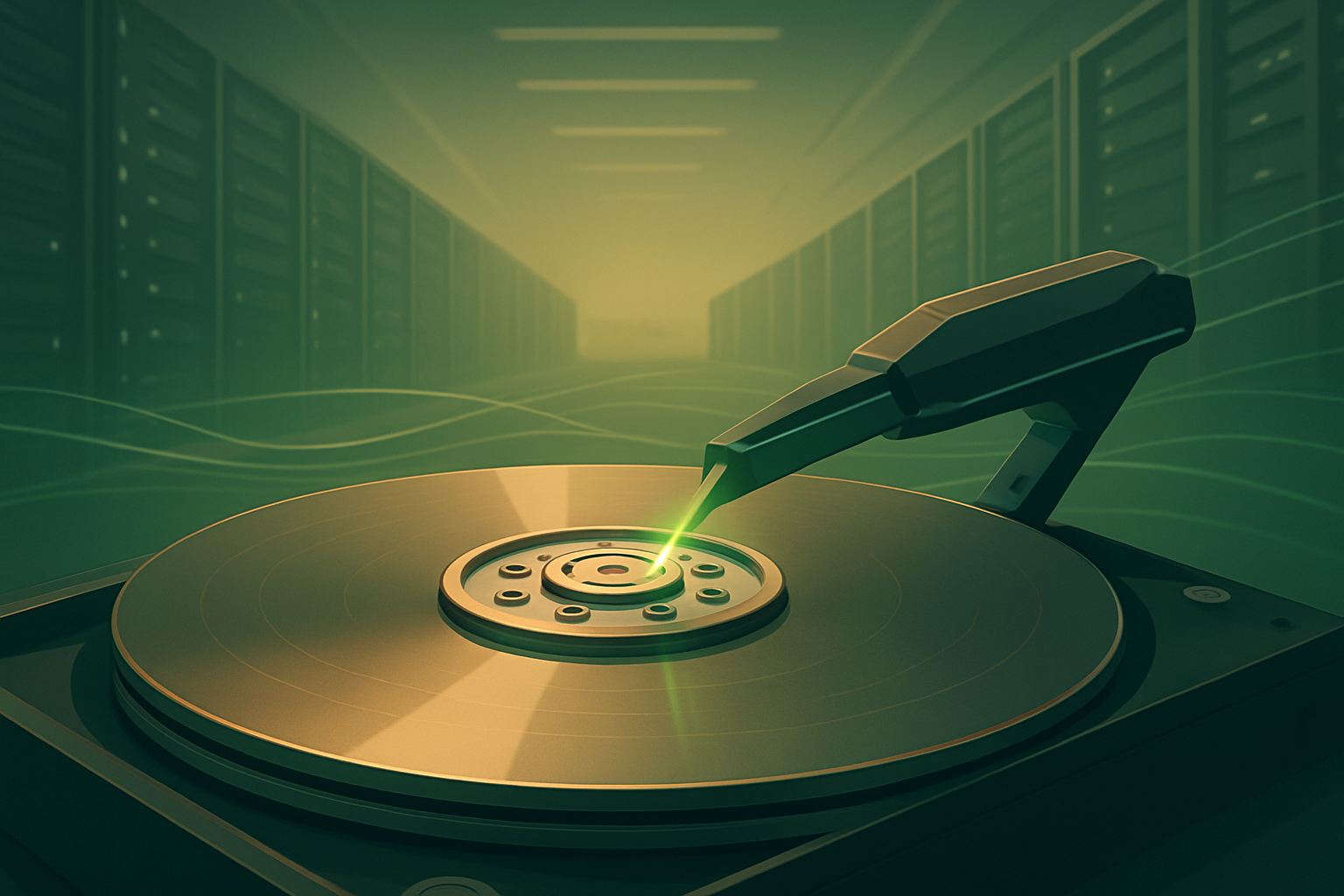
  • The Data Vault: Why Seagate (STX) is the Unsung Hero of the AI Era in 2025

    The Data Vault: Why Seagate (STX) is the Unsung Hero of the AI Era in 2025

    As of December 26, 2025, Seagate Technology Holdings plc (NASDAQ: STX) stands at the epicenter of a "Data Renaissance." While the technology world spent the early 2020s obsessed with processing power (GPUs), 2025 has become the year of the "Data Vault." With the explosion of generative AI models and autonomous systems, the world is generating more data than it can physically store. Seagate, a veteran of the hard disk drive (HDD) industry, has successfully shed its image as a legacy hardware provider to become a critical infrastructure play for the AI era. By betting the company on Heat-Assisted Magnetic Recording (HAMR) technology, Seagate has positioned itself as the indispensable provider of mass-capacity storage for the world’s hyperscale data centers.

    Historical Background

    Founded in 1978 by Al Shugart and Finis Conner, Seagate has been a cornerstone of the storage industry for nearly five decades. Originally based in Silicon Valley (now headquartered in Dublin, Ireland), the company revolutionized the personal computer market with the ST-506, the first 5.25-inch hard drive. Over the decades, Seagate navigated the tumultuous consolidation of the storage industry, acquiring rivals like Maxtor in 2006 and Samsung’s HDD business in 2011. These strategic moves helped create the current global HDD oligopoly. In the mid-2010s, as Solid State Drives (SSDs) began to dominate the consumer market, Seagate made a pivotal decision: rather than trying to lead in low-capacity flash memory, it would double down on "mass capacity" magnetic storage for the burgeoning cloud computing sector.

    Business Model

    Seagate’s business model is now bifurcated into two distinct categories:

    1. Mass Capacity Storage: This is the company’s primary growth engine, representing over 80% of total revenue. It focuses on "Nearline" HDDs—high-capacity drives (ranging from 16TB to the newly released 32TB+ models) designed for the massive data centers of Google, Amazon, and Microsoft.
    2. Legacy and Other: This includes traditional storage for desktop PCs, laptops, and consumer electronics. While this segment provides steady cash flow, it is in a long-term secular decline as SSDs continue to replace HDDs in smaller consumer devices.

    Seagate’s transition to a "build-to-order" (BTO) strategy in 2024 has further refined its model, allowing for tighter inventory management and better pricing power with major cloud clients.

    Stock Performance Overview

    The year 2025 has been a breakout period for Seagate. After a "storage recession" in late 2022 and 2023 caused by inventory gluts at cloud providers, the stock began a meteoric rise.

    • 1-Year Performance: STX has surged over 200% year-to-date in 2025, significantly outperforming the broader S&P 500 and even many of its semiconductor peers.
    • 5-Year Performance: Long-term investors have seen the stock nearly triple in value, as the market moved from skepticism about HDD longevity to valuing it as an AI-enabler.
    • 10-Year Performance: The decade-long view shows a company that survived the "death of the hard drive" narrative through aggressive R&D and strategic pivoting, ultimately rewarding patient shareholders with both capital gains and consistent dividends.

    Financial Performance

    In its most recent fiscal reports for 2025 (fiscal year ending June 2025), Seagate demonstrated a powerful recovery. Total revenue for FY2025 reached $9.10 billion, a staggering 39% increase year-over-year. The real story, however, lies in the margins. As the Mozaic 3+ platform (HAMR) entered volume production, Seagate’s non-GAAP gross margins expanded to a decade-high of 37.4% in the final quarter of the fiscal year.

    The company reported a non-GAAP EPS of $8.10 for FY2025, up from just $1.29 the previous year. Free cash flow also rebounded strongly to $818 million, allowing the company to maintain its $0.72 per share quarterly dividend while managing its debt obligations.

    Leadership and Management

    CEO Dave Mosley, who took the helm in 2017, is credited with navigating Seagate through the transition to HAMR. Under his leadership, the company has prioritized R&D in areal density (the amount of data that can be stored on a disk platter) over chasing low-margin market share in the flash market. The management team is viewed as disciplined and technically proficient, with a clear focus on the "Areal Density Roadmap." Governance is generally well-regarded, though the board has had to manage the fallout from past regulatory missteps with transparency and rigorous compliance updates.

    Products, Services, and Innovations

    Seagate’s "crown jewel" is the Mozaic 3+ platform, which utilizes Heat-Assisted Magnetic Recording (HAMR).

    • HAMR Technology: By using a tiny laser to heat the disk surface momentarily, Seagate can write data to significantly smaller grains, bypassing the physical limits of traditional recording methods.
    • Mozaic 3+: This platform incorporates 32TB+ drives, featuring iron-platinum superlattice media and 7th-generation spintronic readers.
    • Future Pipeline: Seagate has already begun sampling 36TB drives and has a roadmap targeting 40TB by late 2026 and 50TB+ by 2028. This technological lead creates a significant "moat" as competitors struggle to match these densities cost-effectively.

    Competitive Landscape

    The HDD market is a three-way battle:

    • Seagate (STX): Holds approximately 41% of the market and is the undisputed leader in HAMR technology deployment.
    • Western Digital (NASDAQ: WDC): Holds roughly 42% of the market. Western Digital’s recent split into two separate entities (Flash and HDD) in 2025 has made it a more focused competitor, but it has lagged Seagate in the transition to HAMR, relying more on Shingled Magnetic Recording (SMR) to extend current capacities.
    • Toshiba: Holds the remaining 17%. While a stable player, Toshiba generally follows the technological lead of Seagate and WDC.

    Seagate’s competitive edge currently lies in its vertical integration and its "first-mover" advantage in HAMR, which allows it to offer lower total cost of ownership (TCO) for data centers.

    Industry and Market Trends

    Three macro trends are driving the industry in late 2025:

    1. AI Model Storage: Large Language Models (LLMs) and video-generative AI require massive datasets for training and archiving. While GPUs do the "thinking," HDDs provide the "memory" where these vast libraries reside.
    2. Cloud CAPEX Thaw: After two years of cautious spending, hyperscalers (Meta, Google, etc.) have entered a massive "refresh cycle" to upgrade their storage infrastructure for AI readiness.
    3. Sustainability: High-capacity drives (30TB+) are more energy-efficient per terabyte than older 16TB units, helping data centers meet aggressive ESG and carbon-neutrality targets.

    Risks and Challenges

    Despite the current tailwinds, Seagate faces several risks:

    • SSD Encroachment: While HDDs remain significantly cheaper per terabyte for mass storage, price drops in QLC (Quad-Level Cell) flash memory could eventually threaten the lower end of the mass-capacity market.
    • Cyclicality: The storage industry is notoriously cyclical. Any slowdown in AI investment or a global recession could lead to another "inventory correction."
    • Operational Risk: HAMR is a highly complex technology. Any manufacturing yield issues or field failures in the 32TB+ drives could be catastrophic for both reputation and the bottom line.

    Opportunities and Catalysts

    • 40TB Launch: The market is looking toward late 2026 for the first 40TB drives, which would further cement Seagate's TCO lead.
    • Edge Computing: As AI moves to the edge (autonomous vehicles, smart cities), new demand for ruggedized, high-capacity storage is emerging.
    • Stock Buybacks: With free cash flow rising, there is increasing speculation that Seagate may resume aggressive share repurchases in 2026 once the BIS fine payments are further advanced.

    Investor Sentiment and Analyst Coverage

    Wall Street sentiment toward STX is at a multi-year high. Most analysts carry "Buy" or "Strong Buy" ratings, viewing Seagate as a "pure-play" on AI infrastructure that trades at a more reasonable valuation than some of the high-flying semiconductor stocks. Institutional ownership remains high, with major players like BlackRock and Vanguard maintaining significant positions. However, some cautious voices note that the 200% YTD run-up may have priced in much of the near-term perfection, leading to a "Moderate Buy" consensus in recent weeks.

    Regulatory, Policy, and Geopolitical Factors

    Seagate continues to navigate a complex regulatory environment:

    • BIS Settlement: Seagate is currently in the third year of its 5-year, $300 million settlement with the U.S. Bureau of Industry and Security for past sales to Huawei. This requires a $15 million quarterly payment and strict compliance audits.
    • Export Controls: As U.S.-China tensions persist, Seagate must constantly adjust its sales strategy to comply with evolving restrictions on high-tech exports to the Chinese market, which remains a significant source of demand.

    Conclusion

    As we close out 2025, Seagate Technology has successfully transformed from a legacy hardware manufacturer into an AI-essential infrastructure company. By mastering HAMR technology and executing a disciplined financial strategy, Seagate has captured the "mass capacity" narrative that defines the modern cloud era. While the risks of cyclicality and geopolitical friction remain ever-present, Seagate's technological roadmap suggests it will remain the dominant force in high-density storage for the remainder of the decade. Investors should keep a close eye on manufacturing yields of the Mozaic 4+ platform and any shifts in hyperscale CAPEX as we head into 2026.


    This content is intended for informational purposes only and is not financial advice.